Japan Winter Illuminations & Christmas Markets 2026–2027: The Complete Guide
Japan's winter illumination season runs from roughly mid/late November 2026 through February 2027, with some garden displays lit into spring. Two are now confirmed for 2026–27: Kobe Luminarie, January 29 (Fri) – February 7 (Sun), 2027, and Sapporo White Illumination, opening Thursday 19 November 2026 (Odori to 24 December, Ekimae-dori to 10 February 2027, and Minami-1-jo-dori, Akapla and the Station South Exit plaza to 13 March 2027). Tokyo's Christmas markets still had no 2026 dates as of 27 August 2026. The big choice is free outdoor city lights (Tokyo, Sapporo) versus paid garden illuminations (Nabana no Sato, Ashikaga, Sagamiko, Yomiuriland, Huis Ten Bosch).
When the season runs
Japan lights up earliest in the cities: Tokyo's central displays and Sapporo's Odori Park typically switch on in mid-to-late November and run to Christmas or mid-February. Christmas markets cluster in late November through December 25. Big paid garden shows start as early as mid-October and, in several cases, glow all the way into spring 2027. Because 2026–27 dates for many events are released each autumn, always confirm on the official site before you travel.
Comparison table
Prices and dates below are the 2025–26 edition (the latest confirmed) unless marked; 2026–27 dates are released each autumn — check official.
| Illumination | Region | Dates | Free / Paid + price | Nearest station |
|---|---|---|---|---|
| Kobe Luminarie (confirmed) | Kobe | Jan 29 – Feb 7, 2027 | Free streets; paid Meriken Park zone from ¥500 (as of July 2026) | Sannomiya |
| Tokyo Christmas Market, Jingu Gaien | Tokyo | Expected late Nov – Dec 25, 2026 (provisional) | ~¥1,000 wkday / ¥1,500 wkend (2026 TBC) | Aoyama-itchome |
| Sapporo White Illumination (confirmed) | Sapporo | Nov 19 – Dec 24, 2026 (Odori); to Feb 10, 2027 (Ekimae-dori); to Mar 13, 2027 (Minami-1-jo, Akapla, Station South) | Free | Odori |
| Marunouchi Illumination | Tokyo | Nov 13 2025 – Feb 15 2026 | Free | Tokyo / Yurakucho |
| Roppongi Hills "SNOW & BLUE" | Tokyo | Nov 4 – Dec 25 2025 | Free | Roppongi |
| Tokyo Midtown | Tokyo | Nov 13 – Dec 25 2025 | Free | Roppongi / Nogizaka |
| Caretta Shiodome | Tokyo | Mid-Nov – mid-Feb | Free | Shiodome |
| Nabana no Sato | Mie | Oct 18 2025 – May 31 2026 | ¥3,000 (as of the 2025–26 season) | ~30 min from Nagoya |
| Ashikaga Flower Park "Flower Fantasy" | Tochigi | Oct 18 2025 – Feb 15 2026 | ¥1,400 (as of the 2025–26 season) | Ashikaga Flower Park |
| Sagamiko Illumillion | Kanagawa | Nov 15 2025 – May 10 2026 | ¥2,000 + park entry (as of the 2025–26 season) | Bus from JR Sagamiko |
| Yomiuriland Jewellumination | Tokyo | Oct 23 2025 – Apr 5 2026 | ¥1,800 (as of the 2025–26 season) | Keio/Odakyu Yomiuriland |
| Huis Ten Bosch "Kingdom of Light" | Nagasaki | Year-round | Included with admission/passport | Huis Ten Bosch |
Tokyo's free city spots
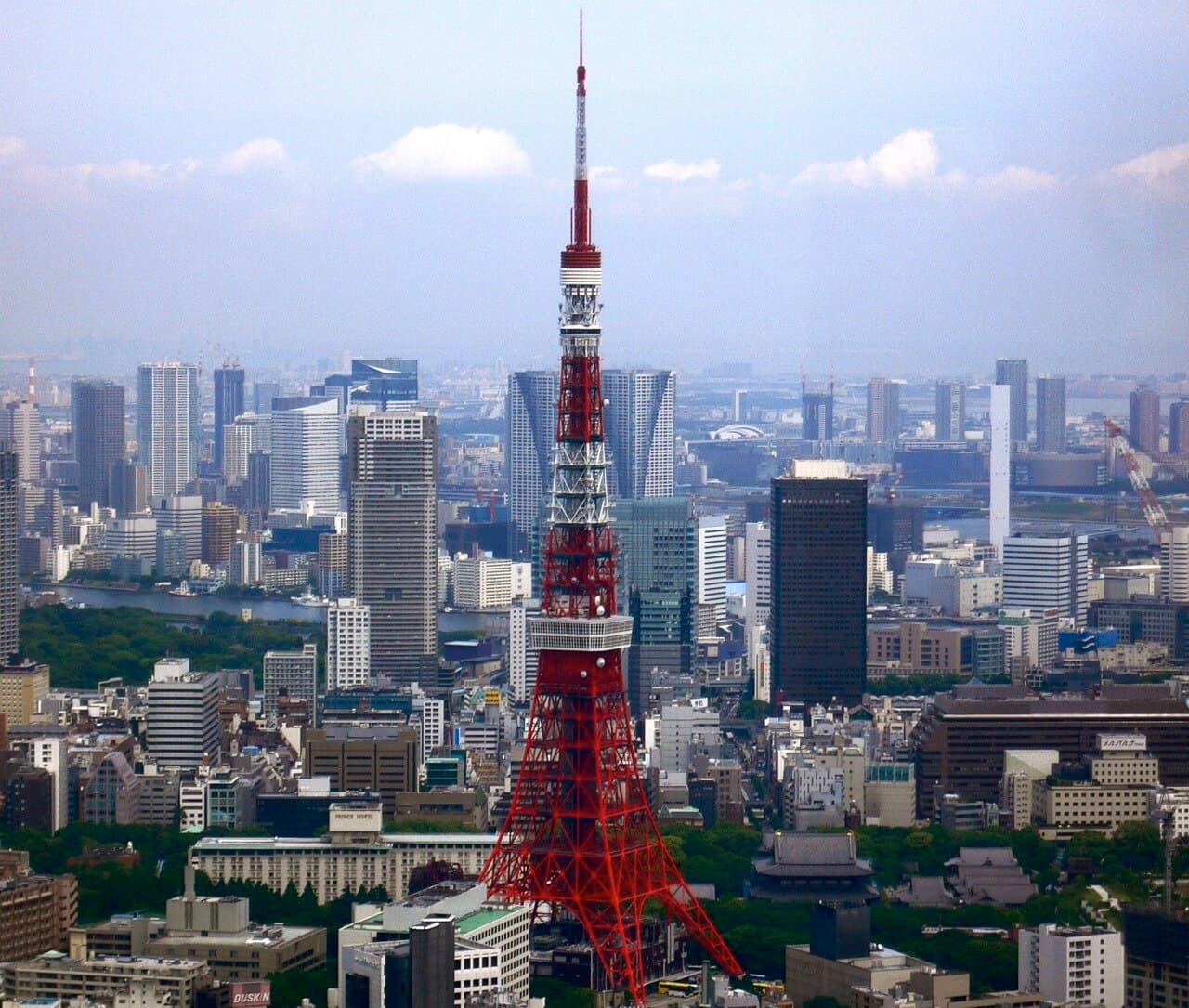
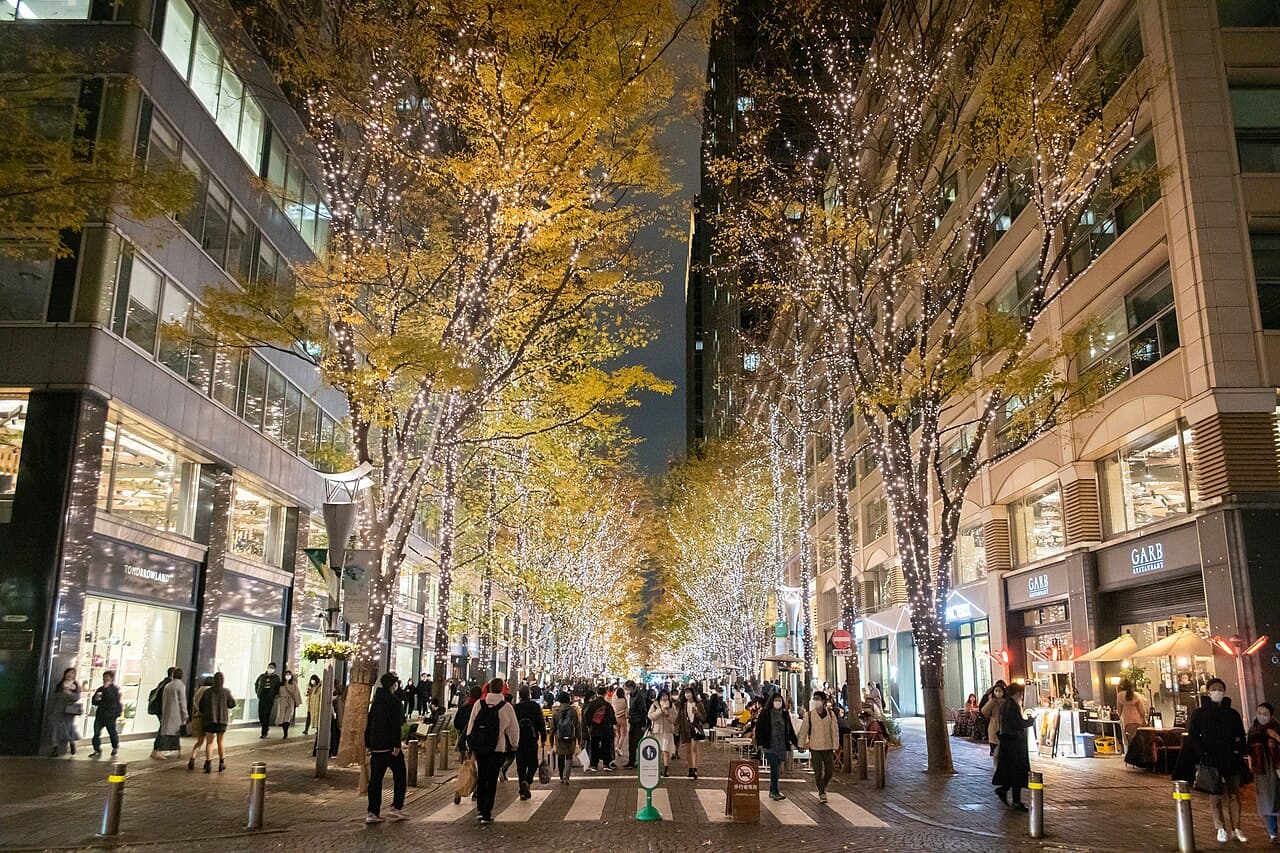
Tokyo is the easiest place to see world-class lights for ¥0. Marunouchi Illumination lines the zelkova-tree avenue in champagne gold from Tokyo Station toward Yurakucho (Nov 13 2025–Feb 15 2026, free). Roppongi Hills Keyakizaka "SNOW & BLUE" frames Tokyo Tower down a sloped avenue, while Tokyo Midtown and Caretta Shiodome run photogenic seasonal shows — all free. For a paid market experience in the same city, our Tokyo Christmas Market at Jingu Gaien guide covers the ~14 m Christmas pyramid and glühwein mugs.
Paid day-trip garden illuminations
If you want scale and want to make a day of it, the ticketed gardens deliver millions of bulbs. Nabana no Sato in Mie (¥3,000, ~30 min from Nagoya) is Japan's most famous, with tunnels of light and a themed main show. Ashikaga Flower Park's "Flower Fantasy" in Tochigi (¥1,400) has its own JR station. Sagamiko Illumillion in Kanagawa (¥2,000 + park entry, bus from JR Sagamiko) and Yomiuriland Jewellumination in west Tokyo (¥1,800) pair lights with rides. All prices are as of the 2025–26 season and may change.
Regional icons
Three displays are worth building a trip around. Sapporo White Illumination turns Odori Park into a free winter gallery — and to be clear, it is not the Sapporo Snow Festival (early February) nor the German Christmas Market (December); they are three separate events. See our Sapporo White Illumination guide for the site-by-site breakdown. Kobe Luminarie (Jan 29–Feb 7, 2027) is the season's must-see, a cathedral of light born from the 1995 Great Hanshin Earthquake memorial — details in our Kobe Luminarie 2027 guide. Far south, Huis Ten Bosch "Kingdom of Light" in Nagasaki runs its 13-million-bulb display year-round, included with a park passport (an evening-only "After 3 Passport" is offered).
Free vs paid — how to choose
Pick free if you're based in Tokyo or Sapporo, want spontaneity, and love strolling: the city displays are gorgeous and cost nothing. Pick paid gardens if you want overwhelming scale, longer seasons (many run into spring 2027), and a single destination for the evening. Kobe Luminarie is a category of its own — mostly free from the streets, with optional paid zones at Meriken Park (advance ¥500 weekday / ¥750 weekend, same-day ¥1,000 / ¥1,500, group ¥400 / ¥600, as of July 2026).
FAQ
When is Japan's winter illumination season 2026–2027? Roughly mid/late November 2026 through February 2027, with several paid garden shows lit into spring 2027. City lights and Christmas markets peak from late November to Christmas.
Which 2026–27 dates are confirmed? Two: Kobe Luminarie (January 29 – February 7, 2027) and Sapporo White Illumination (opens 19 November 2026, running to between 24 December 2026 and 13 March 2027 depending on the venue). Tokyo's Christmas markets still had no 2026 dates as of 27 August 2026.
Are Japan's illuminations free? Many are. Tokyo's city displays (Marunouchi, Roppongi, Midtown, Caretta) and Sapporo White Illumination are free. Garden shows (Nabana, Ashikaga, Sagamiko, Yomiuriland) and some Christmas markets charge entry.
Is Sapporo White Illumination the same as the Snow Festival? No. They are three separate events: the White Illumination (lights, from late November), the Snow Festival (snow sculptures, early February), and the German Christmas Market (December).
How much is Kobe Luminarie? Free to view from surrounding streets. Paid Meriken Park zones cost, as of July 2026: advance ¥500 weekday / ¥750 weekend, same-day ¥1,000 / ¥1,500, group ¥400 / ¥600.
What's the best paid garden illumination near Tokyo? Sagamiko Illumillion (Kanagawa) and Yomiuriland Jewellumination are the closest big ones; Nabana no Sato (Mie) is the most spectacular but is a day trip from Nagoya.
Can I see illuminations in Japan in spring? Yes — several paid gardens run into spring 2027, including Nabana no Sato (to May 31), Sagamiko (to May 10) and Yomiuriland (to April 5), based on the 2025–26 season.
Frequently asked questions
- When is Japan's winter illumination season 2026–2027?
- Roughly mid/late November 2026 through February 2027, with several paid garden shows lit into spring 2027. City lights and Christmas markets peak from late November to Christmas.
- Which 2026–27 dates are confirmed?
- Only Kobe Luminarie: January 29 – February 7, 2027. Tokyo's Christmas markets and Sapporo White Illumination are expected but not yet announced as of July 2026.
- Are Japan's illuminations free?
- Many are. Tokyo's city displays (Marunouchi, Roppongi, Midtown, Caretta) and Sapporo White Illumination are free. Garden shows and some Christmas markets charge entry.
- Is Sapporo White Illumination the same as the Snow Festival?
- No. They are three separate events: the White Illumination (lights, from late November), the Snow Festival (snow sculptures, early February), and the German Christmas Market (December).
- How much is Kobe Luminarie?
- Free to view from surrounding streets. Paid Meriken Park zones cost, as of July 2026: advance ¥500 weekday / ¥750 weekend, same-day ¥1,000 / ¥1,500, group ¥400 / ¥600.
- What's the best paid garden illumination near Tokyo?
- Sagamiko Illumillion (Kanagawa) and Yomiuriland Jewellumination are the closest big ones; Nabana no Sato (Mie) is the most spectacular but is a day trip from Nagoya.
- Can I see illuminations in Japan in spring?
- Yes — several paid gardens run into spring 2027, including Nabana no Sato (to May 31), Sagamiko (to May 10) and Yomiuriland (to April 5), based on the 2025–26 season.
All events
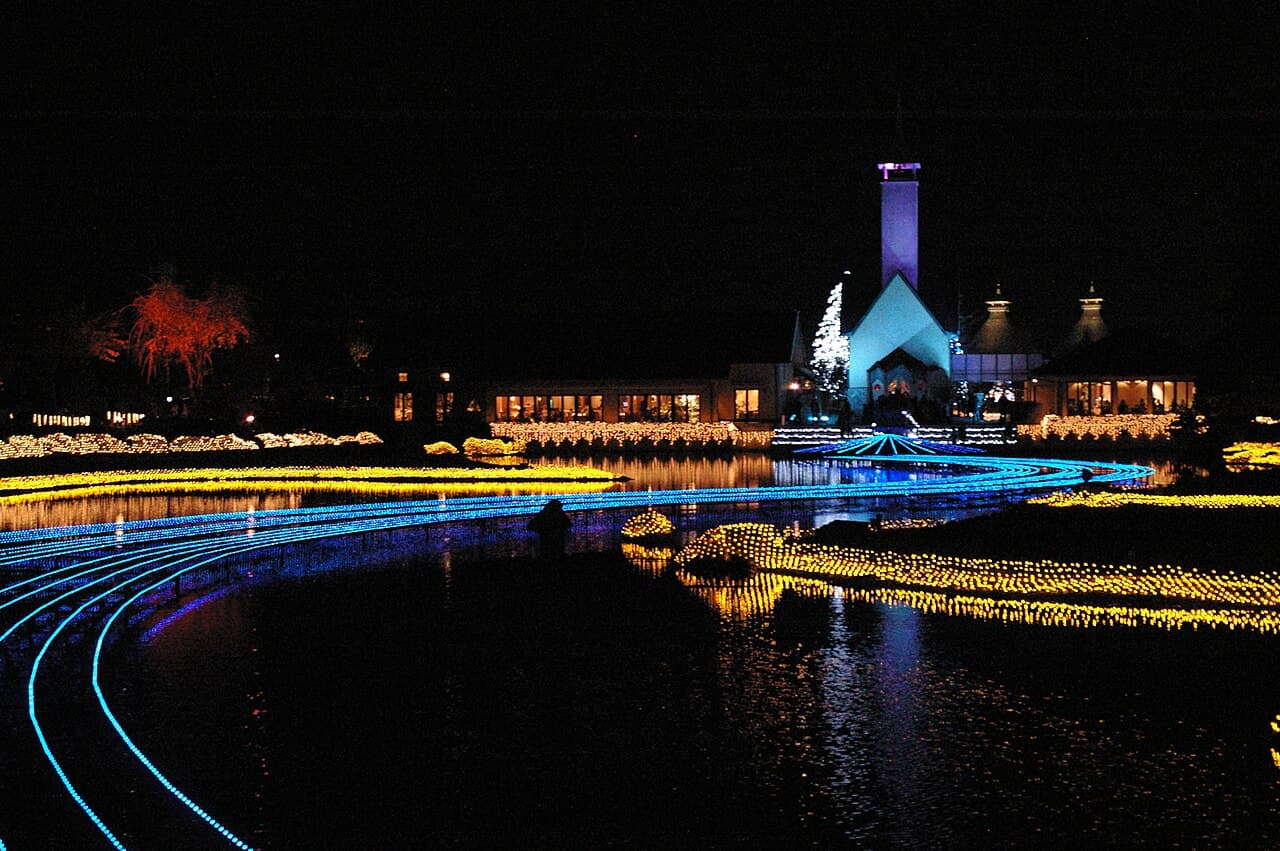
 OfficialUpcoming© Volfgang · CC BY-SA 3.0
Tokyo Christmas Market 2026: Shin-Toyosu & Shiba Park Dates
For 2026 the market moves to Shin-Toyosu (20 Nov–25 Dec) plus Shiba Park (4–25 Dec) — not Jingu Gaien. Official dates, hours and addresses.
Fri, Nov 20, 2026 16:00 JST Tokyoチケットの価格・販売開始日は未発表(公式が決定次第告知)。
 OfficialUpcoming© Qiuqizhenghong · CC BY-SA 3.0
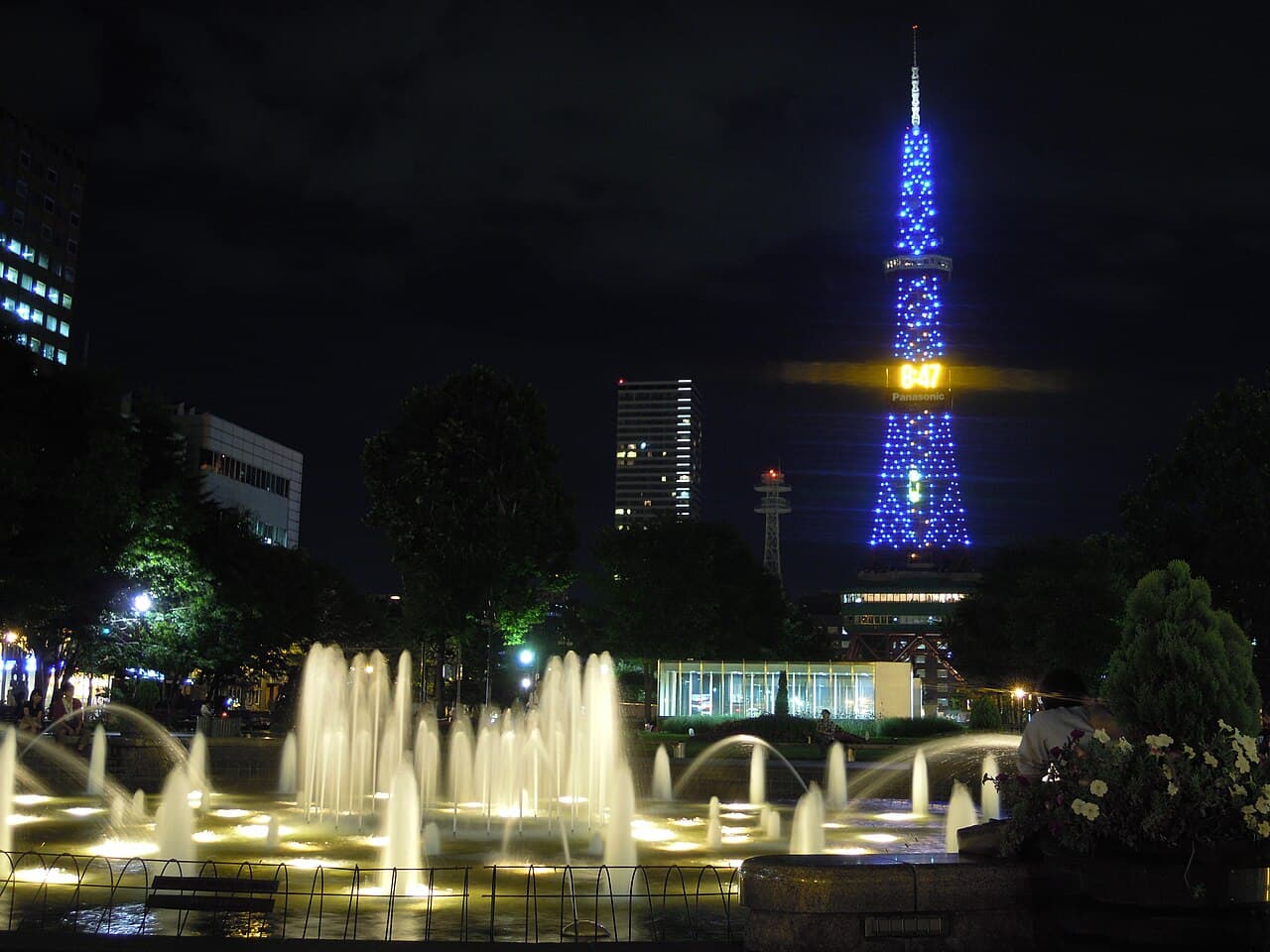
Sapporo White Illumination 2026: Opens 19 Nov, Dates by Venue
**Sapporo White Illumination 2026 (46th edition) opens on Thursday 19 November 2026.** Odori stays lit to 24 December, Ekimae-dori to 10 February 2027, and Minami-1-jo-dori, Akapla and the Station South Exit plaza to 13 March 2027. Free to view, with a new Nakajima Park venue added for 2026.
Thu, Nov 19, 2026 16:30 JST SapporoFree
 OfficialUpcoming© Yoyogimura · CC BY-SA 4.0
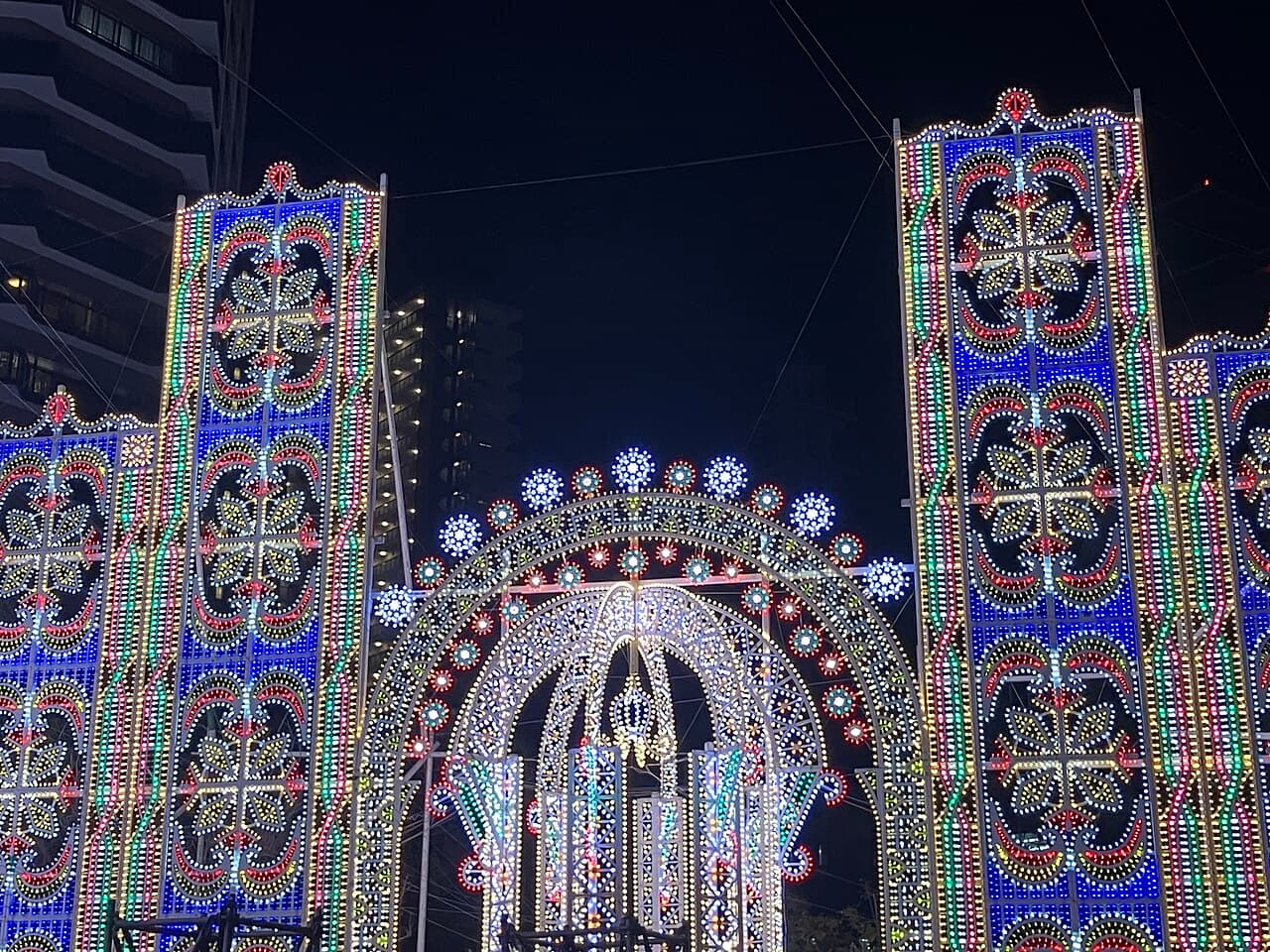
Kobe Luminarie 2027 | Dates, Venue & Tickets
Kobe Luminarie 2027 runs Jan 29 (Fri) – Feb 7 (Sun), 2027 — the 32nd edition. You can see the light arches free from the surrounding streets; the special paid zones at Meriken Park need a ticket (advance ¥500 weekday / ¥750 weekend, as of July 2026). All three venues are walkable from Sannomiya Station.
Fri, Jan 29, 2027 18:00 JST Across JapanFree
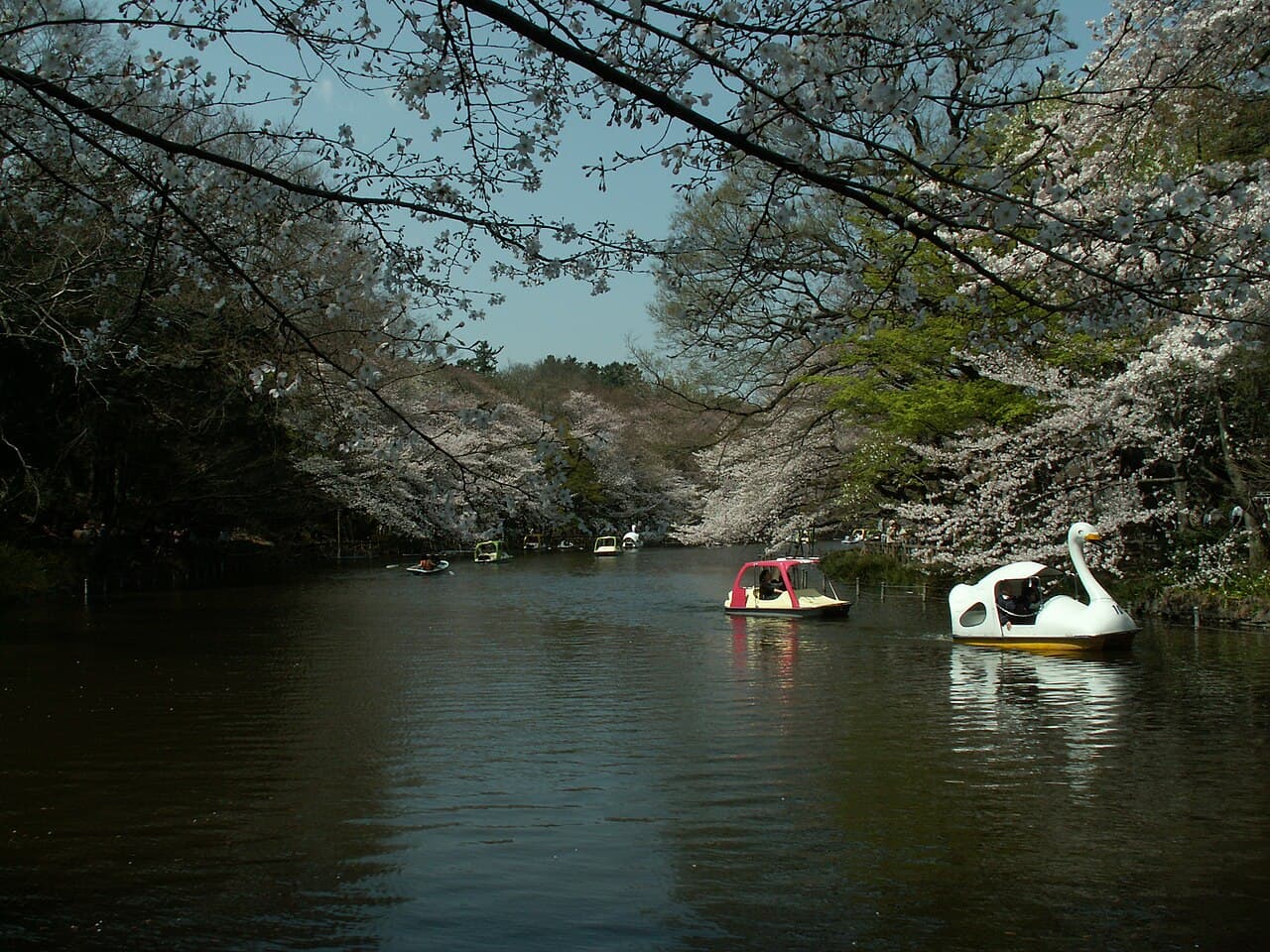 OfficialUpcoming© Cobalt Fox · Public Domain
Nagasaki Lantern Festival 2027 Official Dates: Feb 5–21
Nagasaki Lantern Festival 2027's official dates: Feb 5–21 (17 days), free to view. ~15,000 red Chinese lanterns and giant zodiac lantern objects light central Nagasaki nightly from 17:00–22:00, with a daily dragon dance and parades.
Fri, Feb 5, 2027 17:00 JST Across JapanFree
 OfficialUpcoming© Chris 73 · CC BY-SA 3.0
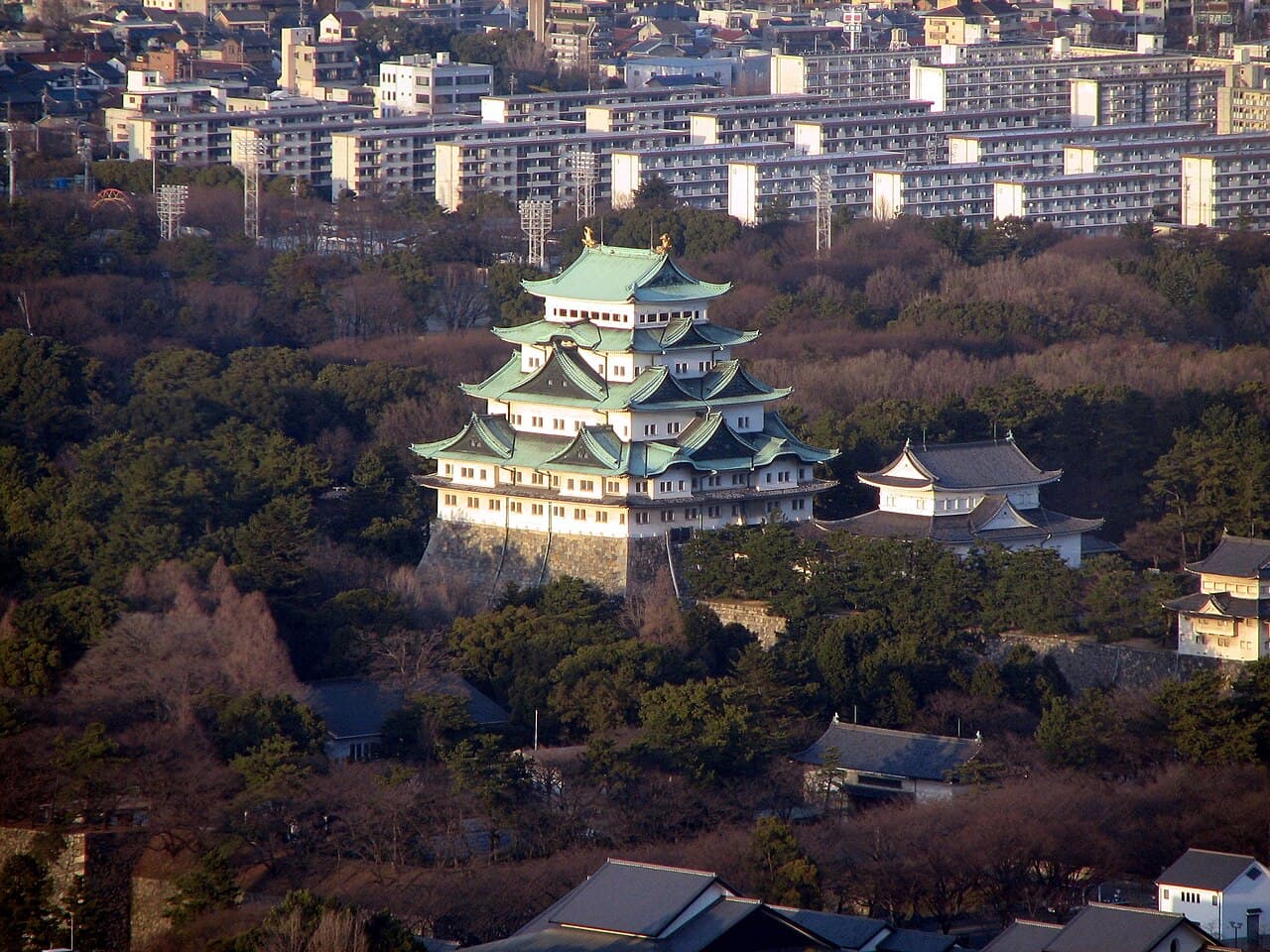
Nagoya Christmas Market 2026
The 2026 dates have not been announced yet (checked 4 September 2026). Nagoya's German-style Christmas market last ran 5–25 December 2025 at Hisaya-odori Park in central Sakae — free to enter, with a giant live fir tree and German food and crafts. Tokai Television and Chunichi Shimbun organise it, and each edition's dates are published on tokai-tv.com/xmasmarket.
Fri, Dec 4, 2026 16:00 JST NagoyaFree
 OfficialPast event© tab2_dawa · CC BY 2.0
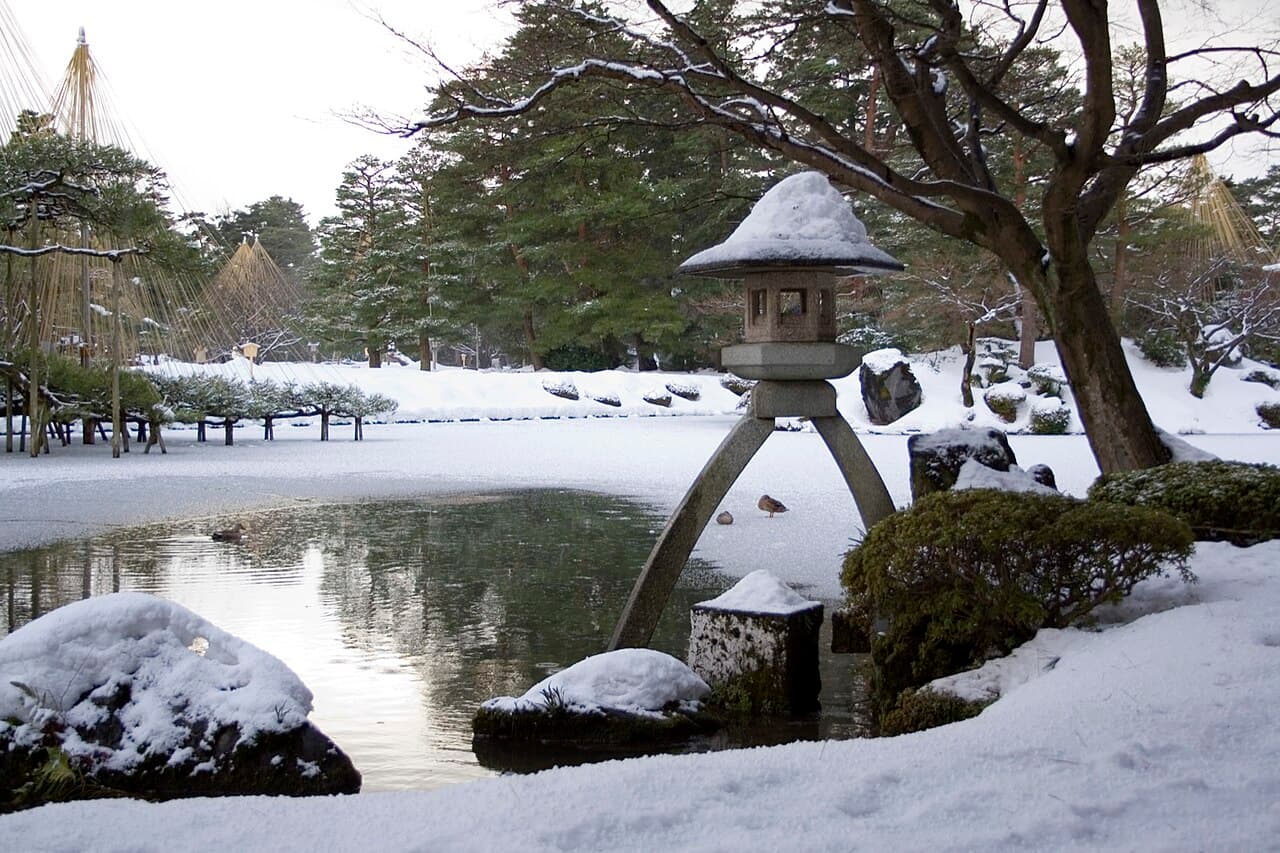
Kenrokuen Garden Illumination
One of Japan's three great gardens glows after dark in seasonal light-up events, from snowy yukitsuri ropes to autumn-leaf reflections.
Fri, Feb 6, 2026 17:30 JST KanazawaFree
 OfficialPast event© おにく · CC BY-SA 3.0
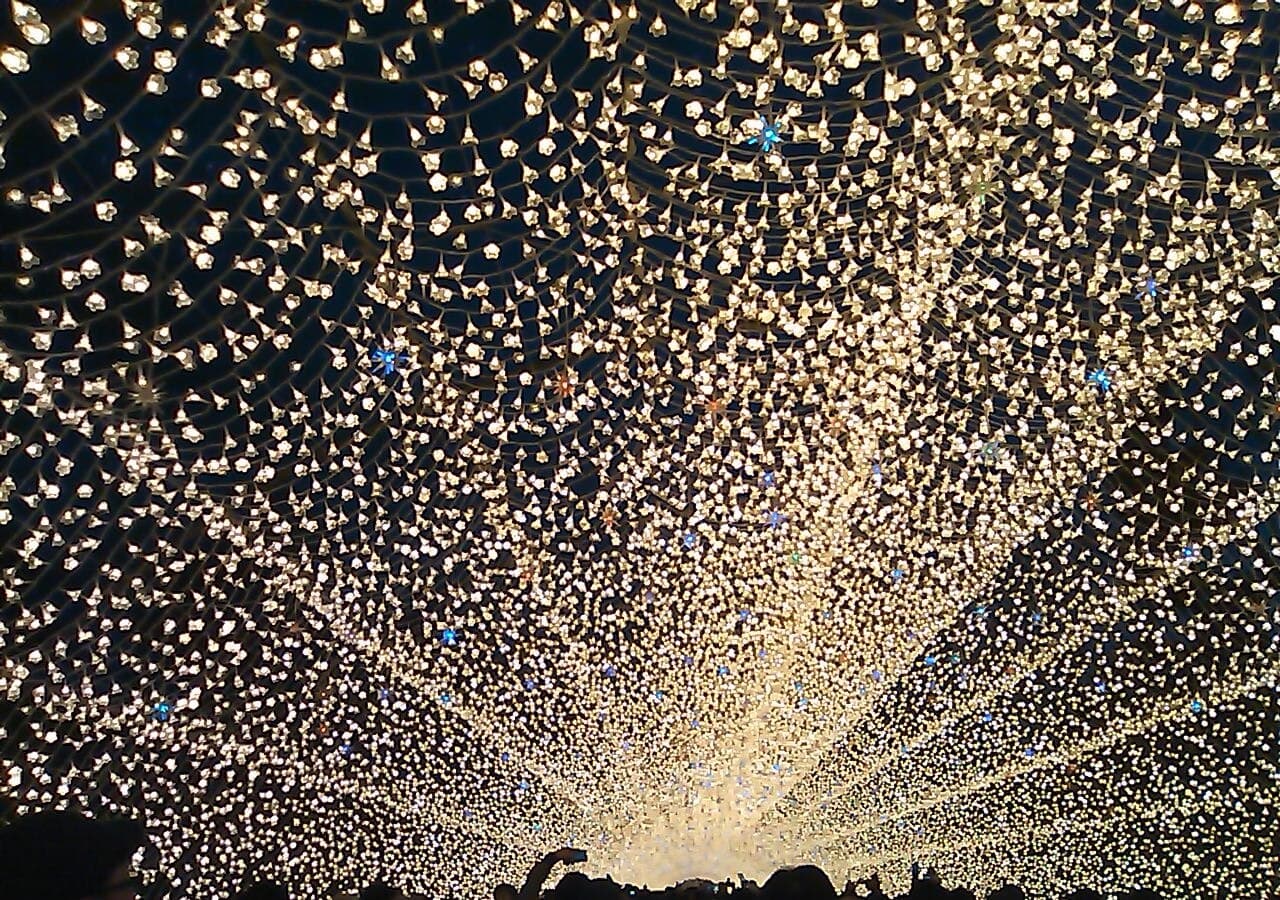
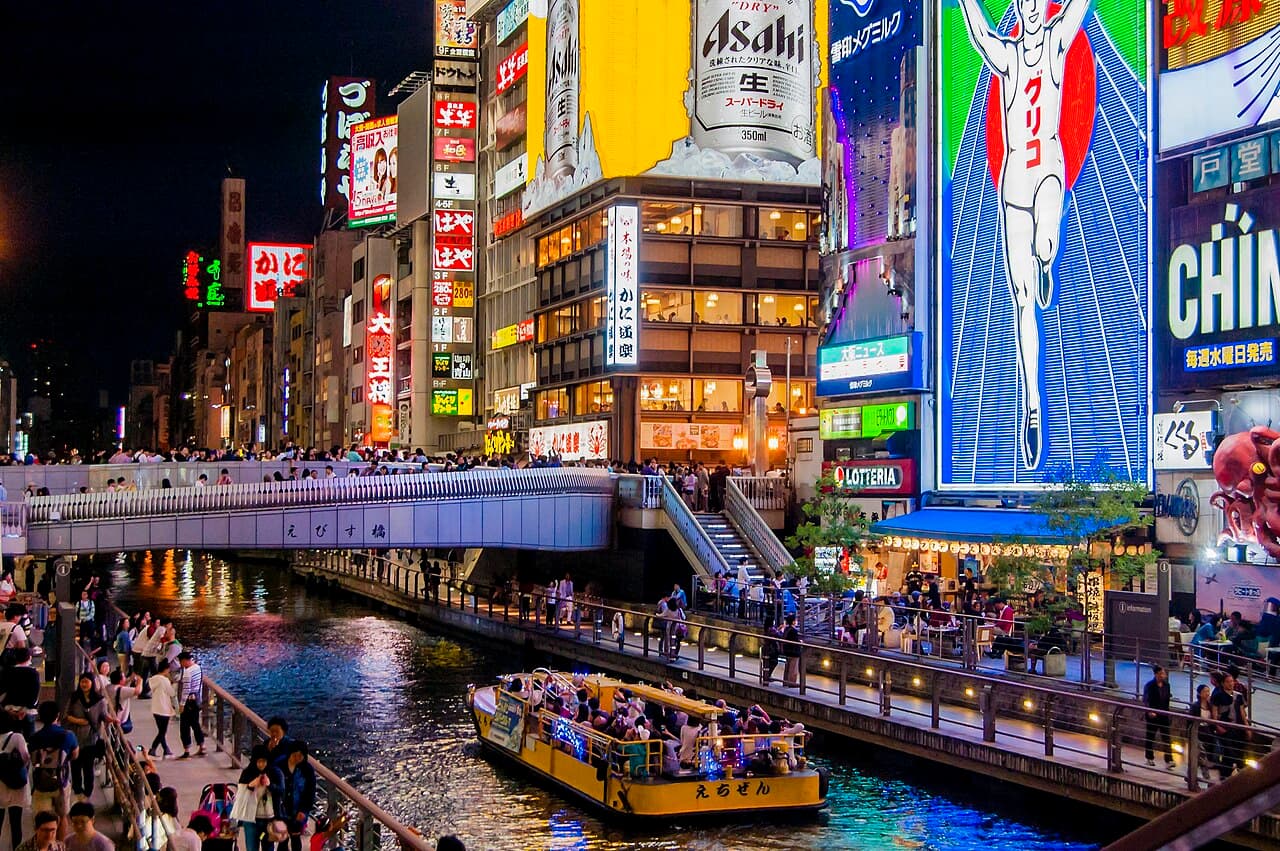
Nabana no Sato Winter Illumination
Japan's largest illumination: millions of LEDs transform a flower park near Nagoya into glowing tunnels and light shows.
Thu, Jan 15, 2026 17:00 JST Across JapanAdmission around 2,500 yen (includes a park voucher)
 OfficialUpcoming© Type specimen · CC BY-SA 3.0
Midosuji Illumination 2026
Osaka's grand boulevard glows for winter as kilometres of ginkgo trees light up from Umeda to Namba in a record-setting display.
Tue, Nov 3, 2026 17:00 JST OsakaFree
 OfficialUpcoming© Dick Thomas Johnson · CC BY 2.0
Tokyo Winter Illuminations (Roppongi & Marunouchi)
From late autumn, Tokyo's avenues glow: Roppongi's blue keyaki-zaka and Marunouchi's golden champagne lights dazzle nightly.
Sun, Nov 15, 2026 17:00 JST TokyoFree