Japan's Summer Festivals Are Shifting Dates Because of Record Heat in 2026 -- What Travelers Should Know
Japan's weather agency issued heat stroke alerts across most of the country in the week of July 20, 2026, forecasting back-to-back "kokushobi" -- a new heat category the agency introduced this year for days that hit 40°C (104°F) or higher. More than 100,000 people were hospitalized for heatstroke over the 2025 summer season, and the toll has been climbing again in 2026.
One quiet but very real effect: a growing list of Japan's best-known summer festivals and fireworks displays are no longer held in the hottest weeks of summer. If you're planning a trip around a festival you remember from a guidebook or a past visit, it's worth double-checking the current date -- some have moved by two months or more.
Festivals that have already moved
- Saga: Sakae no Kuni Matsuri. Traditionally an early-August event, the city moved it to late May starting in 2025 after 14 attendees were treated for heatstroke in 2024. The 2026 edition (its 55th) ran May 23-24 with zero reported heatstroke cases and roughly 278,000 visitors -- the second-highest turnout on record.
- Tokyo: Adachi Fireworks. Long held in late July, the display moved to late May starting in 2025 specifically to reduce heat-related risk; organizers say the change eliminated the dozen-plus heatstroke reports typical of the old July date.
- Yamagata: Sakata Fireworks. Held in August through 2024, the show moved to mid-September starting in 2025 after the riverbed venue flooded in a past heavy-rain year -- both heat and flood risk factored into the change.
- Chiba: Kashiwa Matsuri. One of the Kanto region's largest street festivals (roughly 700,000-800,000 visitors a year) moves from its traditional late-July weekend to September 19-20, 2026, for the first time. See our Kashiwa Matsuri 2026 guide for full details.
- Hiroshima: Minato Yume Hanabi. The city announced on July 22, 2026 that this fireworks display -- held every July since 2003 -- will move to September starting in 2027. That makes the July 25, 2026 show its last-ever July edition; see our Hiroshima Minato Yume Hanabi 2026 guide if you want to catch it before the switch.
- Oita: Nakatsu Hanakasaboko Matsuri. Known locally as "the festival with Japan's longest walking parade" (traditionally 30-40 km of flower-decorated floats), the city kept its 2026 dates but shortened the route and stationed paramedics along the course as a heat-safety measure instead.
What this means if you're planning a trip
Older travel guides, and even some festival listings, can lag behind these changes -- a festival you researched months ago may no longer be on the date you expect. A few habits help:
- Check the festival's own official site or social account within a week or two of your trip, not just a travel guide, since dates and even hours can shift.
- Expect more evening starts. Several rescheduled events -- and some that stayed on their original dates -- have pushed opening times later in the day to avoid peak-heat hours.
- Watch for a heatstroke alert (熱中症警戒アラート) on the day. These are issued by prefecture and can affect crowd flow, first-aid staffing, or last-minute timing tweaks even at events that didn't change their calendar date.
- Hydrate and plan shade breaks. Bring water, and expect organizers to add cooling mist stations, extra first-aid tents, or shortened routes, especially at daytime events.
For general advice on attending any Japanese festival, see our how-to-attend guide.
Frequently asked questions
- Why are Japanese summer festivals changing their dates in 2026?
- Rising summer temperatures -- including a new "kokushobi" (brutally hot day) category the Japan Meteorological Agency introduced in 2026 for 40°C+ days -- have pushed organizers in several cities to move festivals out of the hottest weeks of July and August, citing heatstroke risk to visitors, vendors, and staff.
- Which major festivals have moved dates because of heat?
- Confirmed examples include Saga's Sakae no Kuni Matsuri (August to May, from 2025), Tokyo's Adachi Fireworks (July to May, from 2025), Yamagata's Sakata Fireworks (August to September, from 2025), Chiba's Kashiwa Matsuri (July to September, from 2026), and Hiroshima's Minato Yume Hanabi fireworks (July to September, from 2027).
- How can I confirm a festival's current date before I travel?
- Check the event's official website or official social media account close to your travel dates rather than relying on an older guidebook or travel blog, since dates, times, and even routes can change from year to year.
- Are festivals that haven't moved dates still affected by the heat?
- Yes -- several, like Oita's Nakatsu Hanakasaboko Matsuri, have kept their original July dates but shortened routes, added first-aid stations, or shifted start times later into the evening as heat-safety measures.
All events
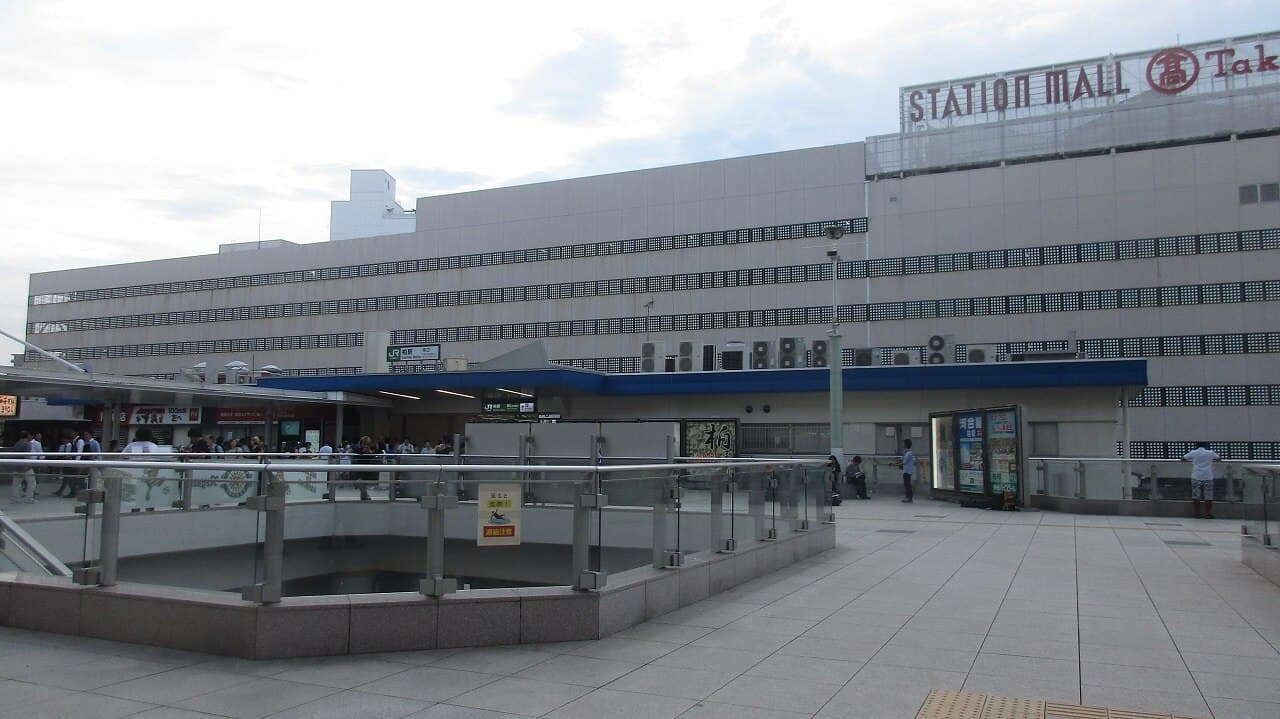 OfficialThis weekend© ヒタチギ · CC BY-SA 4.0
Kashiwa Matsuri 2026
Chiba's biggest street festival draws up to 800,000 visitors -- and in 2026 it moves from its traditional late-July weekend to September 19-20 because of record summer heat.
2026/09/19 13:00 Across JapanFree
 OfficialPast event© Daniel Ramirez from Honolulu, USA · CC BY 2.0
Hiroshima Minato Yume (Dream) Fireworks 2026
One of the Seto Inland Sea's largest displays — about 10,000 shells, including wide 10-go bursts, choreographed to music over Hiroshima Port.
2026/07/25 20:00 HiroshimaFree