How to Attend a Japanese Festival (Matsuri): A First-Timer's Guide
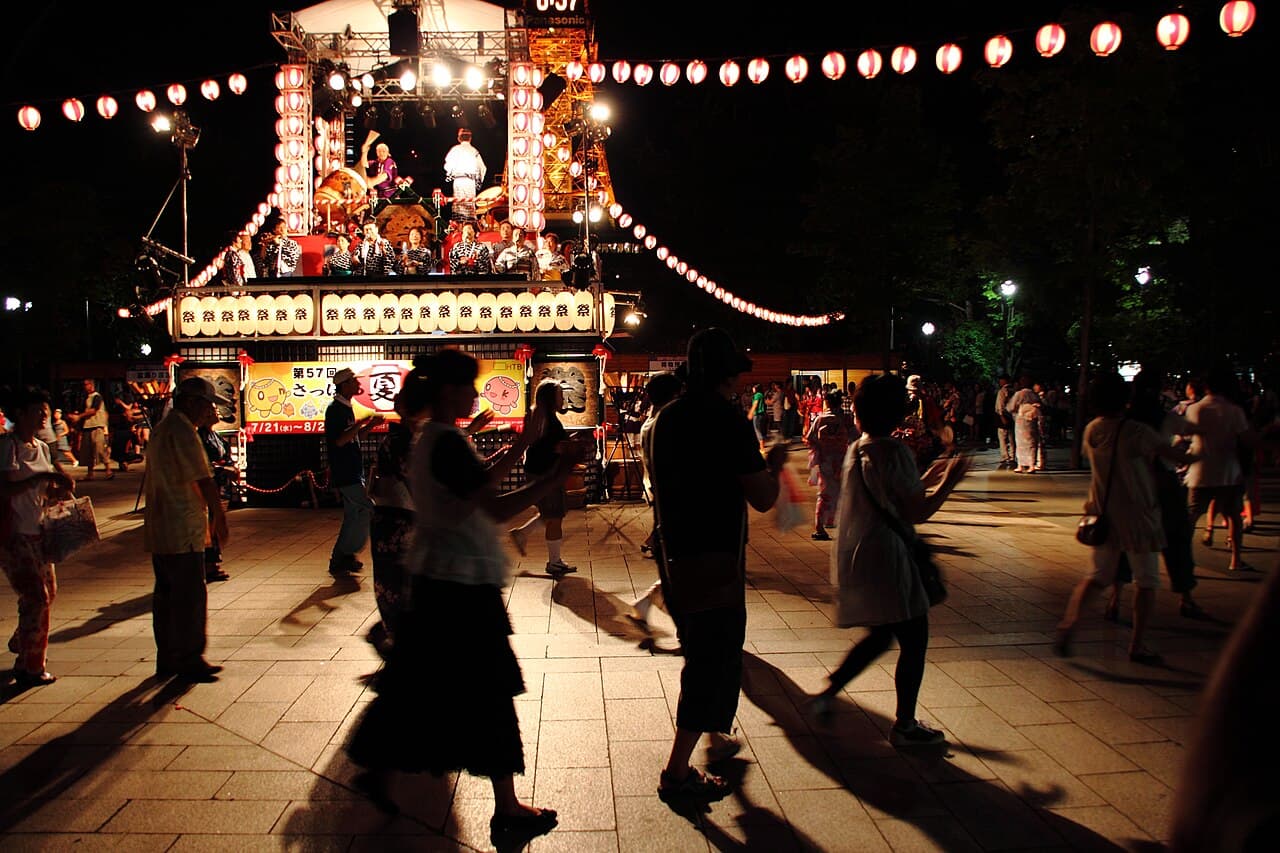
A Japanese festival (matsuri) is free to walk into — there is no gate and no ticket for the street. The skill is where to stand, when to arrive, and how not to get in the way. This first-timer's guide covers getting there, the best arrival time, where to watch, crowds, rain, cash, toilets, food stalls and etiquette, then sends you to the verified page for each big festival.
Your first matsuri, in 6 steps
- Pick the festival and check the official page — Choose your festival and confirm this year's dates, times and the nearest station on its official site. Schedules shift slightly each year.
- Decide free roadside or a reserved seat — The streets are free. Only buy a reserved grandstand seat if you want a guaranteed head-on view of the main parade or dance — those sell out in advance.
- Go by train and sort your return first — Take the train, not a car. Charge an IC card or buy your return ticket on arrival, and check the last train before the finale.
- Arrive 60–90 minutes early and find a spot — For a free kerbside view, arrive well before the start and stand along the route near a corner, not at the very start block.
- Carry cash for the food stalls — Stalls (yatai) are cash-first. Queue, pay cash, step aside to eat, and take your rubbish with you.
- Follow the marshals and head out smart — Keep out of the running lane, follow one-way crowd flows, and leave for the station before the last-train crush.
Do I need a ticket?
For almost every festival, no — the streets are free. You only pay when you want a reserved grandstand seat (yuryo sajiki-seki) for a guaranteed head-on view of the main parade or dance — for example at Awa Odori, Yosakoi, Nebuta or Gion. Those seats are advance-sale and sell out; the buying logic and the per-festival how-to-buy live in how to buy summer-matsuri grandstand seats. Everything else — the lantern-lit lanes, the food stalls, the bon-odori dancing — costs nothing.
Getting there: go by train, not by car
- Take the train. Big festivals close roads, fill car parks and run park-and-ride shuttles; driving to the centre is slow and stressful. Get to the nearest station and walk.
- Buy your return ticket early — or use an IC card. After the finale, tens of thousands of people head for the station at once and ticket machines back up. Charge a Suica/PASMO/ICOCA IC card in advance, or buy your return ticket when you arrive.
- Check the last train. Many finales end around 21:00–22:00 and the crowd is huge; know your last train time before the show, not after.
- For the exact route, nearest station and time/cost from Tokyo or the regional hub, open the festival's own page (linked at the bottom) — those carry the verified, dated access facts.
When to arrive
- Free roadside spots: arrive 60–90 minutes before the parade or dance starts for a front-row kerb; the best corners go first.
- Reserved seats: you can come closer to start time, but allow extra minutes to find your block in the crowd.
- Daytime vs evening: many summer matsuri have a daytime session and a livelier evening session — evening (lanterns, fireworks) is the most crowded and atmospheric.
Where to watch
- Along the route, not at the very start. The first block is packed; walk a little down the course for room.
- Near a corner or a turn. Floats and dance teams slow down to turn, so you get a longer, better look.
- Behind the front row if you're tall, and let children and shorter people in front — it's the norm.
- Stay out of the running lane. Never step into the road the dancers or floats use, even when it looks empty between teams.
Crowds, heat and rain
- Summer matsuri are hot and humid. Carry water, a small towel and a hand fan (uchiwa); use the shade between sessions.
- Move with the flow. Big crowds are one-directional near the route — follow the marshals and don't push upstream.
- Rain plan: most festivals run in light rain — bring a compact poncho, not an umbrella (umbrellas block the view and jab the crowd). Heavy rain, lightning or typhoons can delay or cancel a session; the festival's official site and social accounts post same-day calls.
Money: carry cash
Food stalls (yatai) and many small ticket booths are cash-first — assume cards and IC won't work at the stall. Bring ¥3,000–¥5,000 in small notes and coins per person for a night of food and drinks, and don't rely on finding an ATM in the crowd. Convenience-store and post-office ATMs near the station are your backup.
Toilets and food stalls
- Toilets: big festivals add temporary toilets, but lines are long at peak. Go before the finale, keep tissues/hand sanitiser on you (some have no paper), and note that station and department-store toilets nearby are usually cleaner.
- Food stalls open from late afternoon. Classics to try: yakisoba, takoyaki, karaage, kakigori (shaved ice), chocolate banana and ringo-ame (candy apple). Queue, pay cash, and step aside to eat so you don't block the lane. Bag your own rubbish — bins are scarce and taking your litter home is expected.
Etiquette: the short list
- Follow staff and police directions — they manage one-way flows for safety.
- Don't block the route or the front row with big tripods or selfie sticks; check before filming a performer up close.
- Take your rubbish with you. Streets are spotless because everyone does.
- Drink, don't get drunk. Public drinking is fine in Japan, but stay orderly.
- Ask before photographing people close-up, especially dancers and children.
- At a shrine festival, a quick bow at the gate (torii) is a nice touch; you don't need to know every ritual to be welcome.
What to wear
Comfortable shoes and light, breathable clothing win a summer night on your feet. Many visitors wear a yukata (a cotton summer kimono) — it's welcome, photogenic and cool. First time in one? See the yukata & summer-festival dress guide for how to wear it, what to bring and where to rent.
Accessibility
Crowds, gravel shrine grounds and temporary toilets make access uneven. Wheelchair users: many big festivals sell reserved wheelchair seating (Yosakoi and others price it separately) — book it in advance via the festival page rather than risk the kerb. Arrive early while paths are clear, ask a marshal for the step-free route, and keep a carer with you in the densest blocks.
Pick your festival
Use these verified pages for exact dates, access and tickets, then come back here for the how-to:
- Gion Matsuri, Kyoto — Japan's most famous float festival (July).
- Awa Odori, Tokushima — the great dance festival (mid-August).
- Aomori Nebuta — giant illuminated warrior floats (early August).
- Gujo Odori — all-night Bon dancing you join in (July–September).
- Sendai Tanabata — paper-streamer festival (August).
- Yosakoi, Kochi — high-energy team dancing (August).
- Browse everything on now in the 2026 festival calendar.
Always confirm dates, times and access on the festival's official site before you travel — schedules shift slightly each year, and weather can change the plan on the day.
FAQ
Do you need a ticket to go to a Japanese festival?
No. The streets are free to watch and join. You only pay for an optional reserved grandstand seat (yuryo sajiki-seki) for a guaranteed head-on view of the main parade or dance, and those are advance-sale and sell out.
What time should I arrive at a matsuri?
For a free roadside view, arrive 60–90 minutes before the parade or dance starts to get a front-row kerb near a corner. With a reserved seat you can arrive closer to start time, but allow extra minutes to find your block in the crowd.
Can I pay by card at festival food stalls?
Usually no — stalls (yatai) and small booths are cash-first. Carry ¥3,000–¥5,000 per person in small notes and coins, and use a convenience-store or post-office ATM near the station as backup.
What happens if it rains?
Most festivals run in light rain — bring a compact poncho rather than an umbrella, which blocks views. Heavy rain, lightning or typhoons can delay or cancel a session; the official site and social accounts post the same-day decision.
What should I wear to a Japanese summer festival?
Light, breathable clothing and comfortable shoes for a night on your feet. Many visitors wear a cotton yukata, which is welcome and cool — see our yukata dress guide for how to wear it and where to rent.
Are Japanese festivals accessible for wheelchair users?
Access varies with crowds and shrine grounds, but many big festivals sell reserved wheelchair seating you can book in advance via the festival page. Arrive early while paths are clear and ask a marshal for the step-free route.
How many festivals are happening right now?
We track every festival and event on this site in one place — see the Japan Festival Calendar for the month-by-month breakdown (515 dated editions across 45 prefectures as of August 7, 2026; 28.7% of the 129 traditional matsuri fall in August), plus a free CSV and a live API feed.
Frequently asked questions
- Do you need a ticket to go to a Japanese festival?
- No. The streets are free to watch and join. You only pay for an optional reserved grandstand seat (yuryo sajiki-seki) for a guaranteed head-on view of the main parade or dance, and those are advance-sale and sell out.
- What time should I arrive at a matsuri?
- For a free roadside view, arrive 60–90 minutes before the parade or dance starts to get a front-row kerb near a corner. With a reserved seat you can arrive closer to start time, but allow extra minutes to find your block in the crowd.
- Can I pay by card at festival food stalls?
- Usually no — stalls (yatai) and small booths are cash-first. Carry ¥3,000–¥5,000 per person in small notes and coins, and use a convenience-store or post-office ATM near the station as backup.
- What happens if it rains?
- Most festivals run in light rain — bring a compact poncho rather than an umbrella, which blocks views. Heavy rain, lightning or typhoons can delay or cancel a session; the official site and social accounts post the same-day decision.
- What should I wear to a Japanese summer festival?
- Light, breathable clothing and comfortable shoes for a night on your feet. Many visitors wear a cotton yukata, which is welcome and cool — see our yukata dress guide for how to wear it and where to rent.
- Are Japanese festivals accessible for wheelchair users?
- Access varies with crowds and shrine grounds, but many big festivals sell reserved wheelchair seating you can book in advance via the festival page. Arrive early while paths are clear and ask a marshal for the step-free route.
All events
 OfficialPast event© Corpse Reviver · CC BY 3.0
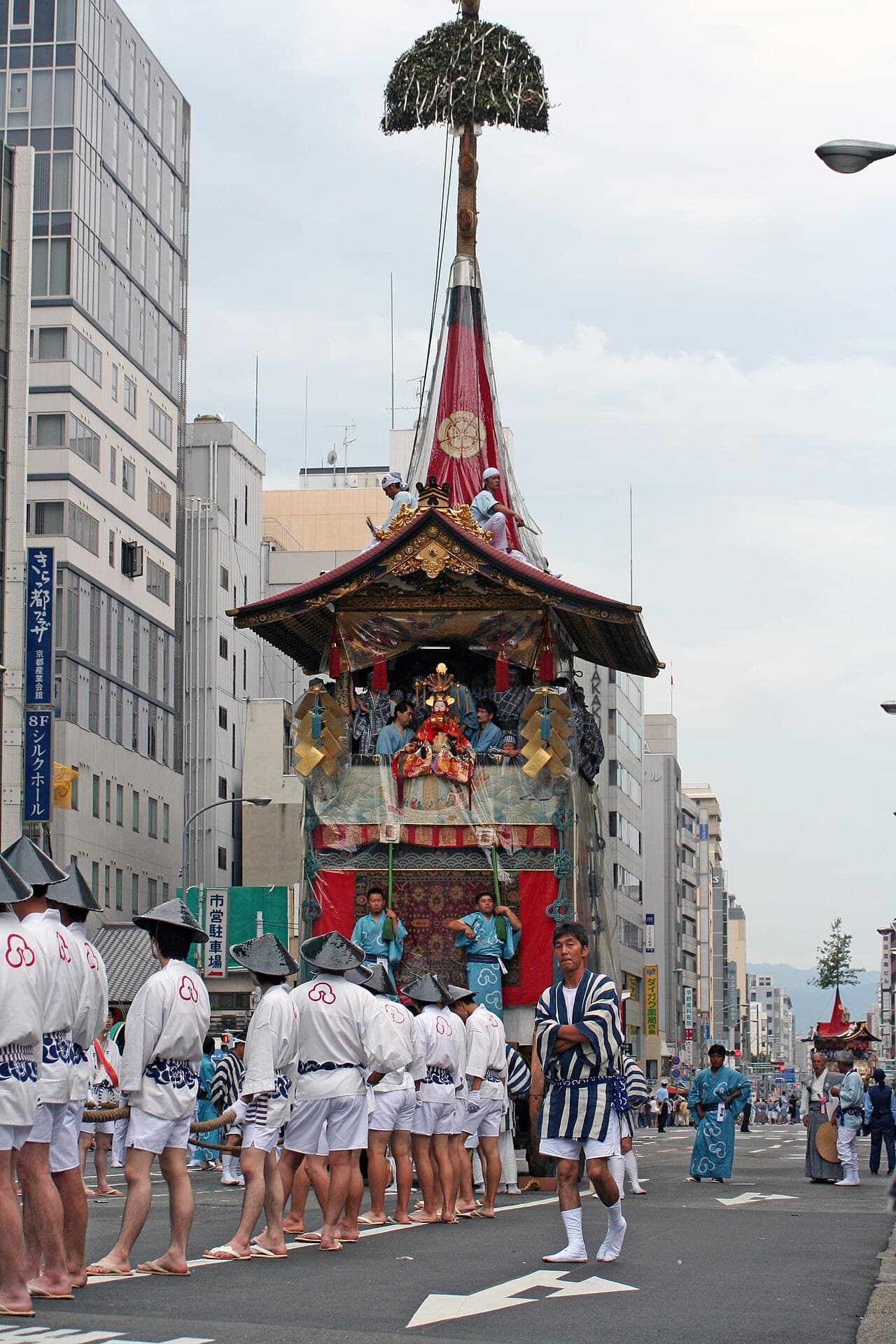
Gion Matsuri 2026: Dates, Yoiyama & Float Parade Times (Complete Guide)
Gion Matsuri 2026 runs all July at Kyoto's Yasaka Shrine. Saki Matsuri yoiyama is July 14-16 and the float parade is July 17 at 9:00; Ato Matsuri yoiyama is July 21-23 and the parade is July 24 at 9:30. Verified dates, times and access.
Fri, Jul 17, 2026 09:00 JSTFree
 OfficialPast event© Kounosu · CC BY-SA 3.0
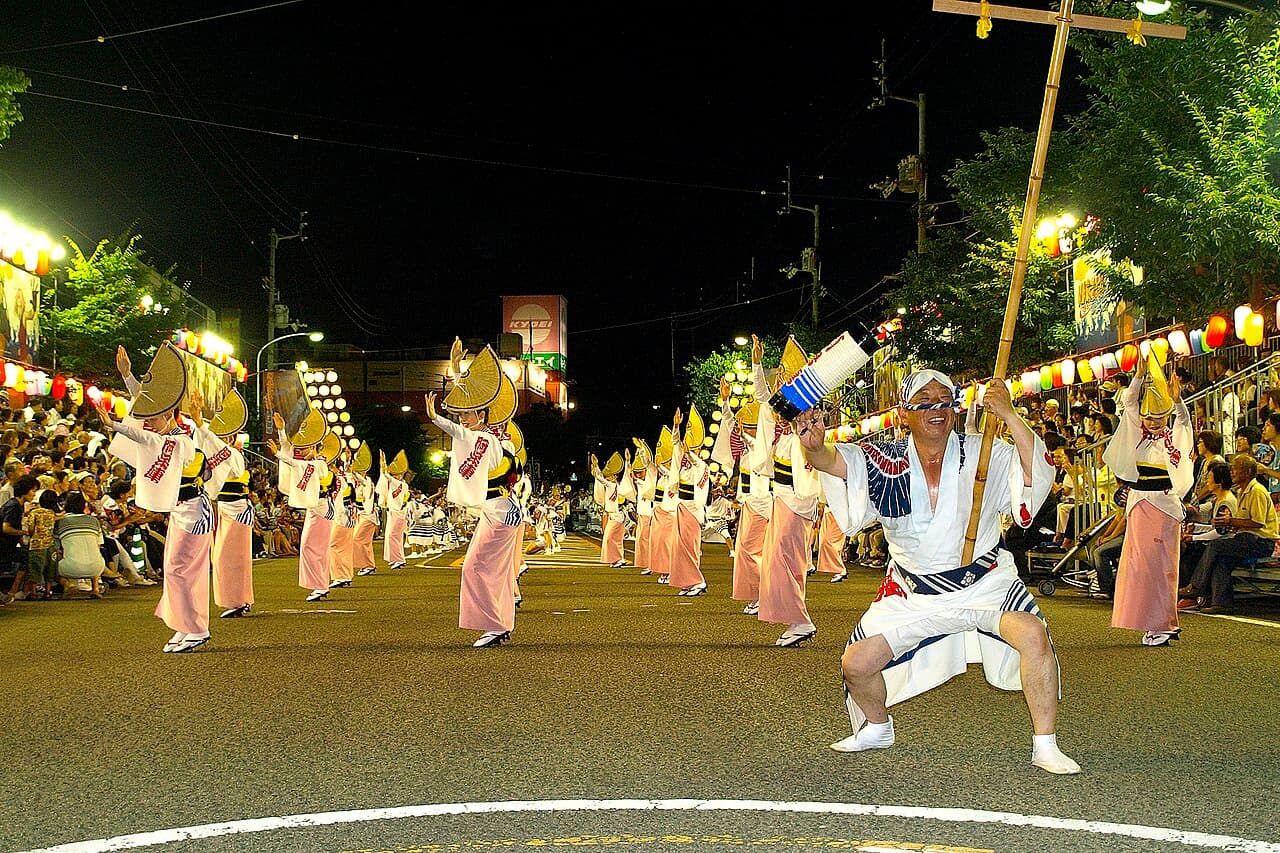
Awa Odori 2026 Tickets: Dates, Grandstand Seats & How to Get There
Awa Odori 2026 (Aug 12–15, Tokushima): grandstand seat prices, the 2026 on-sale dates, how to buy via Ticket Pia, and how to get there.
Wed, Aug 12, 2026 18:00 JST Across JapanReserved grandstand ¥1,000 (C) – ¥3,000 (S); Minami-uchimachi SS ¥6,000 / Special ¥15,000
 OfficialPast event© Fisherman · CC BY-SA 3.0
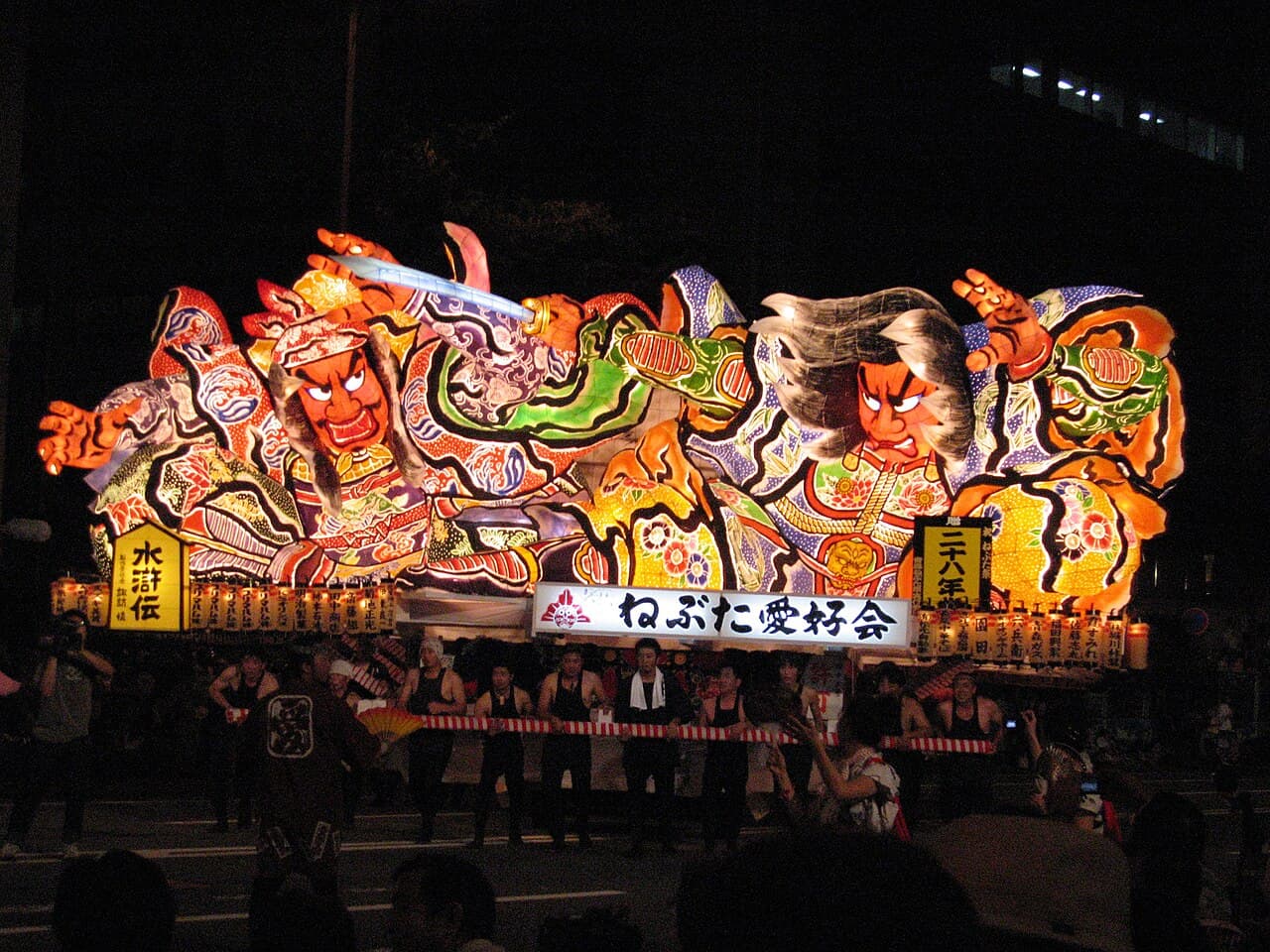
Aomori Nebuta 2026 Reserved Seats: Prices, Sale Dates & Access
Aomori Nebuta 2026 reserved viewing seats: ¥4,000 prices, the 2026 sale dates (lottery + Jun 27 first-come), how to buy, and access from Tokyo.
Sun, Aug 2, 2026 19:00 JST Across JapanReserved viewing seat ¥4,000 (Aug 7 daytime + fireworks set ¥9,500); handling fee added
 OfficialPast event© Marho · CC BY-SA 4.0
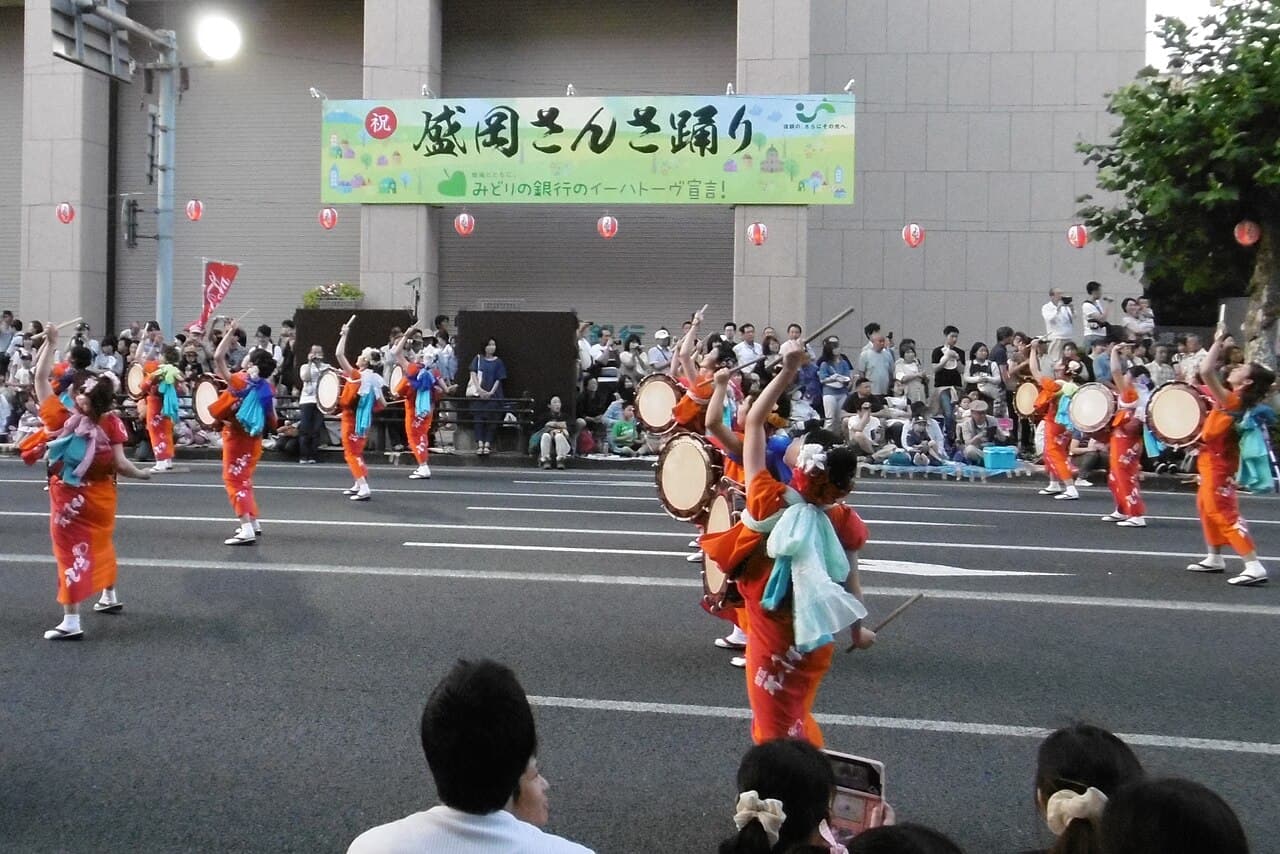
Gujo Odori 2026 All-Night Dance: How to Get There (First-Timer's Guide)
Gujo Odori 2026's all-night Tetsuya Odori runs over Obon, Aug 13-16, from 8 pm to 4-5 am. The stage is the old castle town of Gujo-Hachiman in Gifu, about a 20-min walk from Gujo-Hachiman Station. Verified dates, venue and access for first-timers.
Thu, Aug 13, 2026 20:00 JSTFree
 OfficialPast event© 掬茶 · CC BY-SA 4.0
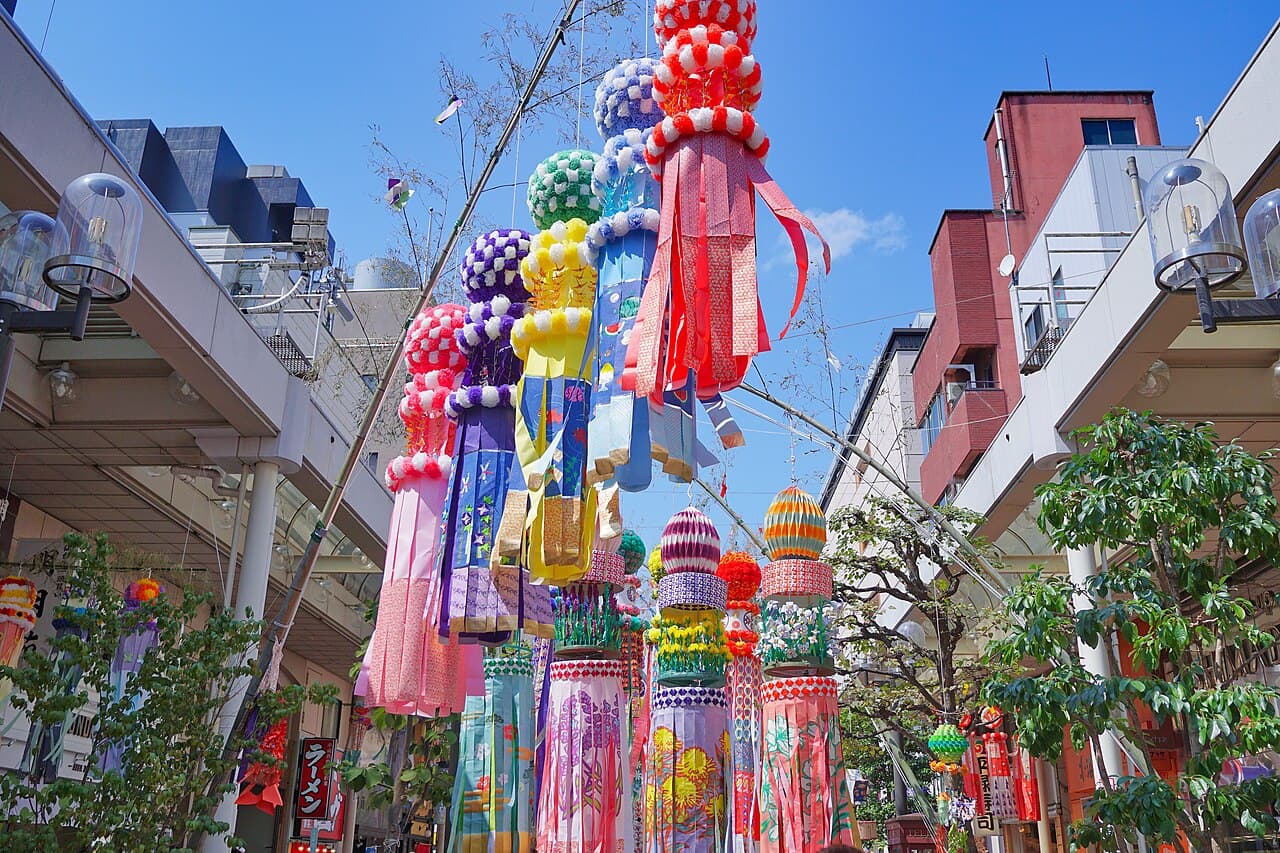
Sendai Tanabata Festival 2026: Dates, Access & Highlights
Sendai Tanabata Festival 2026 (Aug 6–8): the fixed dates, the giant paper streamers, the Aug 5 fireworks, 5-min access from Sendai Station, and what to see.
Thu, Aug 6, 2026 10:00 JST Across JapanFree
 OfficialPast event© Kounosu · CC BY-SA 3.0
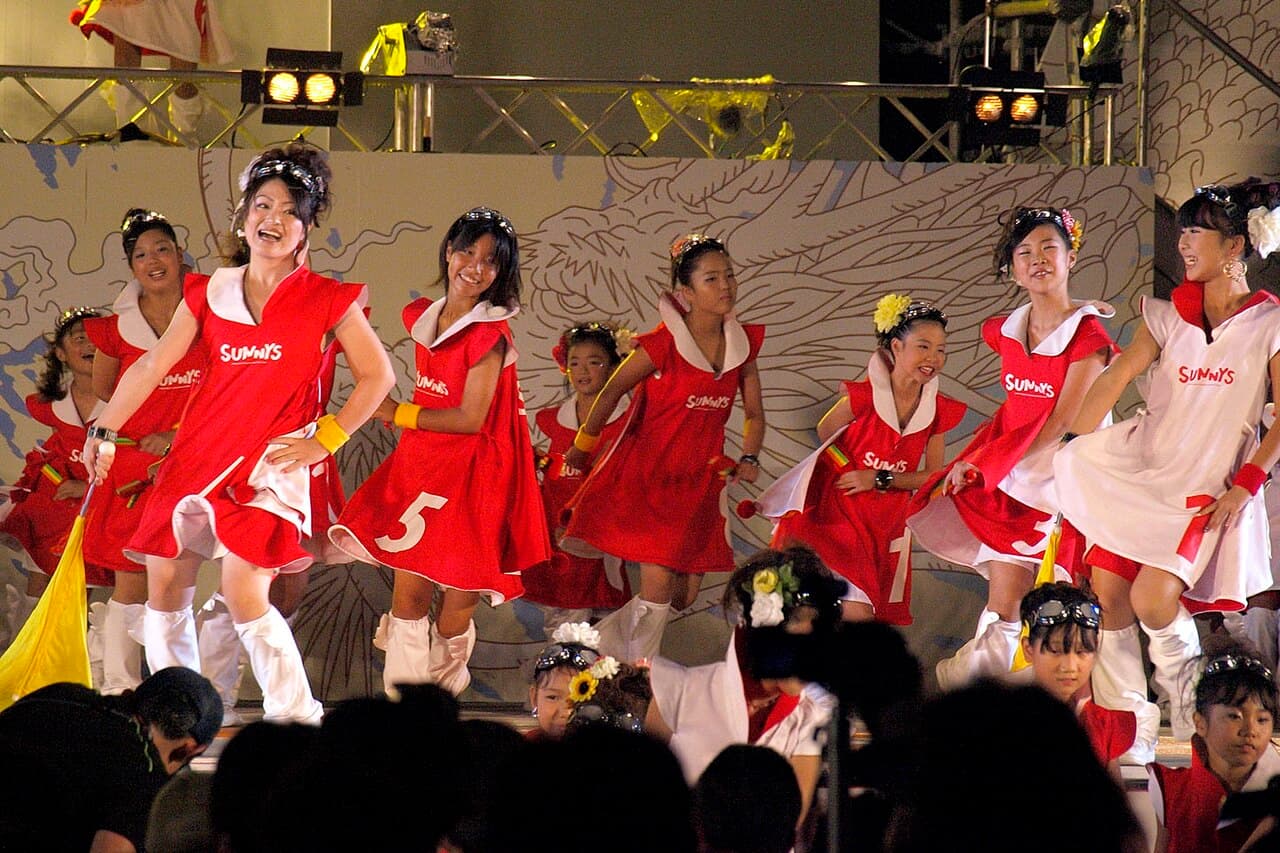
Yosakoi Festival 2026 Tickets: Otesuji Grandstand Seats & How to Buy
Yosakoi Festival 2026 (Aug 9–12, Kochi): Otesuji grandstand seat prices, the 2026 sale dates (general sale opens Jun 29), how to buy, and how to get there.
Sun, Aug 9, 2026 13:15 JST Across JapanPaid grandstand seats ¥1,000–¥3,000 per session (group/parasol tables ¥15,000–¥50,000)
OfficialPast event© MIKI Yoshihito · CC BY 2.0Summer Matsuri Grandstand Tickets 2026: How to Buy Paid Seats
How to buy paid grandstand seats at Japan's summer matsuri in 2026: lottery vs first-come, prices, the on-sale calendar and the official links.
Sun, Aug 2, 2026 19:00 JSTPaid grandstand seats from ¥1,000 (varies by festival and tier)
 OfficialPast event© Akinori Takemoto · CC BY-SA 4.0
Takasaki Matsuri Grand Fireworks Display 2026
Roughly 15,000 shells light up the Karasugawa River in under an hour -- the fast, dense fireworks night that opens Gunma's biggest annual festival.
Sat, Aug 22, 2026 19:30 JST Across JapanFree
 OfficialPast event© ヒタチギ · CC BY-SA 4.0
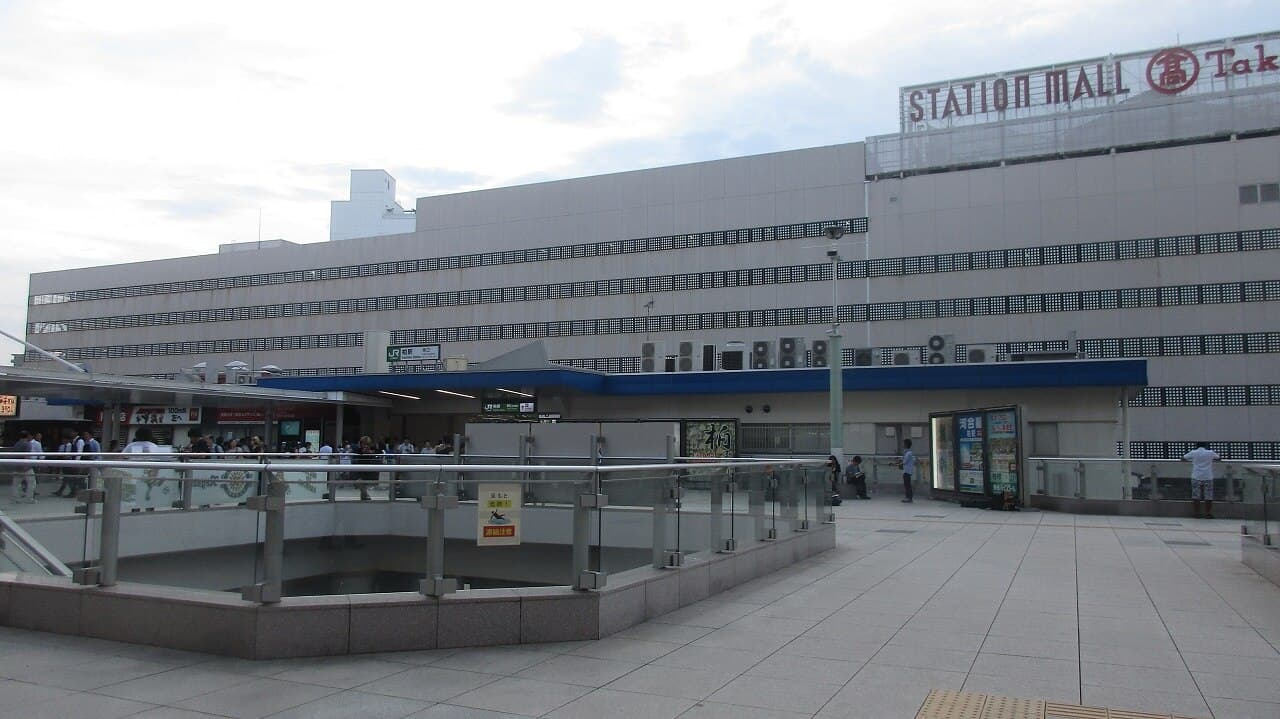
Kashiwa Matsuri 2026
Chiba's biggest street festival draws up to 800,000 visitors -- and in 2026 it moves from its traditional late-July weekend to September 19-20 because of record summer heat.
Sat, Sep 19, 2026 13:00 JST Across JapanFree