What to Wear to a Japanese Summer Festival: The Yukata Guide (Rent, Wear, Bring)
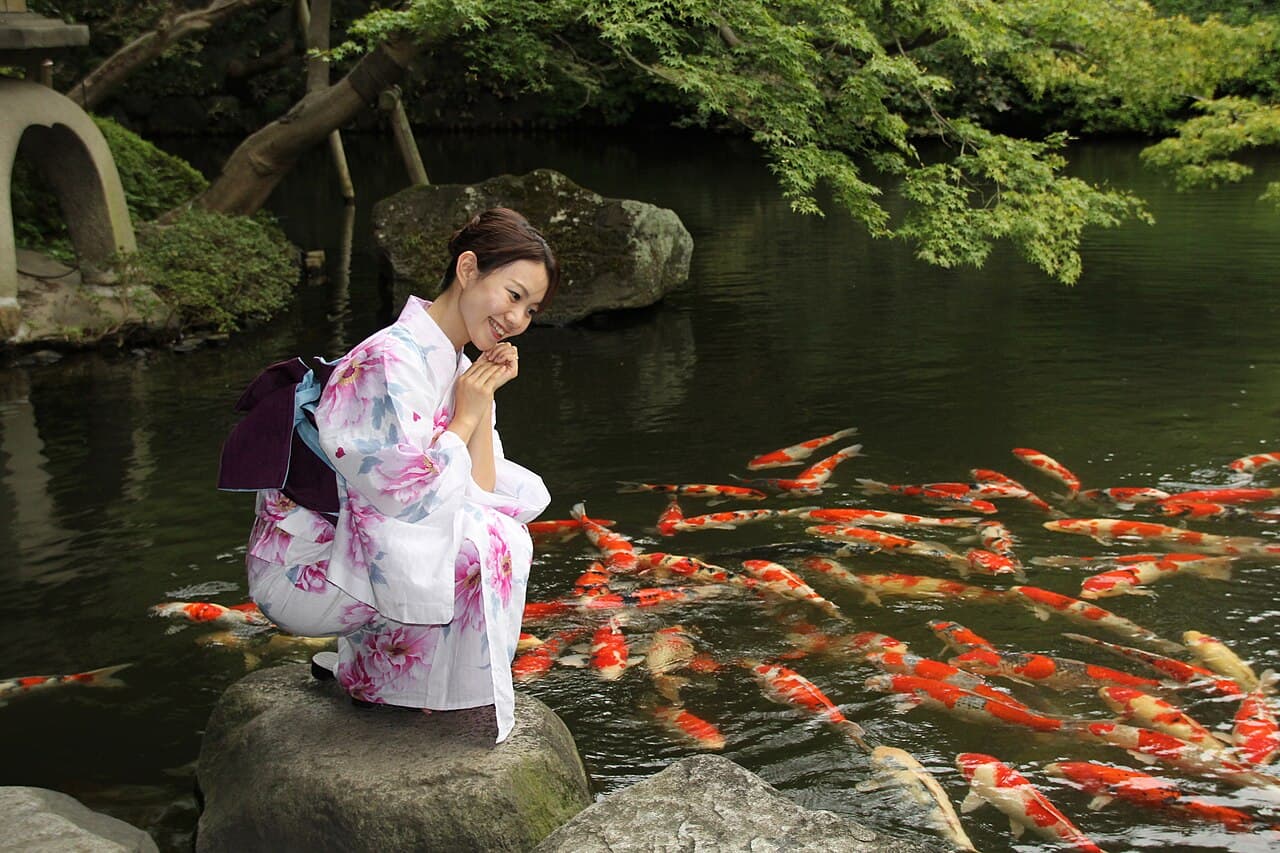
A yukata is an unlined cotton summer kimono — light, casual and made for warm evenings, festivals and fireworks. You don't need to own one or know the rules of formal kimono. This guide covers what to wear, the one rule you must not get wrong, how to put a yukata on, what to bring, and where to rent one near the festival.
Yukata vs kimono — what's the difference?
A yukata is the easy one: unlined cotton or linen, no under-layers, worn straight on the skin (with light underwear) and tied with a simple sash. A formal kimono is lined, layered, made of silk and needs more pieces and skill. For a summer matsuri or fireworks night, a yukata is exactly right — relaxed, breathable and the local norm.
The one rule: left side over right
When you wrap a yukata, bring the right panel against your body first, then fold the left panel over the top, so the left side sits on the outside. The reverse — right over left — is used only to dress the dead, so never do it. If you remember one thing, remember left over right.
What each person wears
- Women: a patterned yukata tied with an obi sash (often a pre-tied tsukuri-obi for beginners), geta wooden sandals, and a small drawstring kinchaku bag. A folding fan tucked in the obi is the classic finishing touch.
- Men: a plainer yukata in navy, grey or indigo, tied low on the hips with a thin kaku-obi sash, with geta. Simpler to wear than the women's version.
- Kids: children's yukata and jinbei (a two-piece top-and-shorts set) are cool and very easy — a great low-stress option for families.
How to put on a yukata (quick version)
- Put on light underwear; women often add a thin hadagi slip to absorb sweat.
- Slip both arms in and line up the back seam to your spine, hem at the ankle.
- Right panel against the body first, then the left over it — left on the outside.
- Hold it closed and tie the koshi-himo waist cord snugly above the hips.
- Smooth the extra fabric down over the cord so the hem stays at ankle height.
- Wrap the obi and tie (women) or knot the kaku-obi low at the hips (men).
- Slip on geta; carry a small bag, fan and tissues.
If that sounds fiddly, a rental shop dresses you in minutes — see below.
Footwear: geta without blisters
Geta (wooden sandals) are worn with bare feet and the thong sits between the first two toes. They're easy to kick off but can rub on a long night — break them in beforehand, walk slowly, and carry a couple of plasters/band-aids for the toe-thong. Comfortable sandals are a fine substitute if geta hurt.
What to bring in your festival bag
- Cash in a small kinchaku or crossbody bag (stalls are cash-only).
- A folding fan (sensu) or uchiwa — summer evenings are hot and humid.
- Tissues, a small towel and plasters (sweat, spills, the geta thong).
- A mini sweat towel; tuck a handkerchief in the sleeve like locals do.
- Keep it light — you'll be standing and walking for hours.
Staying cool
Yukata are cooler than they look, but a Japanese summer night is hot. Choose cotton or linen, drink water, use your fan, and pick an evening session when the sun is down. A thin moisture-wicking slip underneath actually keeps you drier than bare skin.
Where to rent a yukata
You rarely need to buy one. Rental shops in festival cities and tourist districts (Kyoto, Asakusa in Tokyo, Kanazawa and others) offer a full set — yukata, obi, geta and bag — and dress you on the spot, often with a hair set, for a few thousand yen for the day. Book online in advance during peak festival dates, and ask for same-day return. Department stores and Uniqlo-style shops also sell affordable ready-to-wear sets if you'd rather keep one.
Wear it to a festival
Now put it to use. Start with the first-timer's guide to attending a Japanese festival for getting there and etiquette, then pick your night:
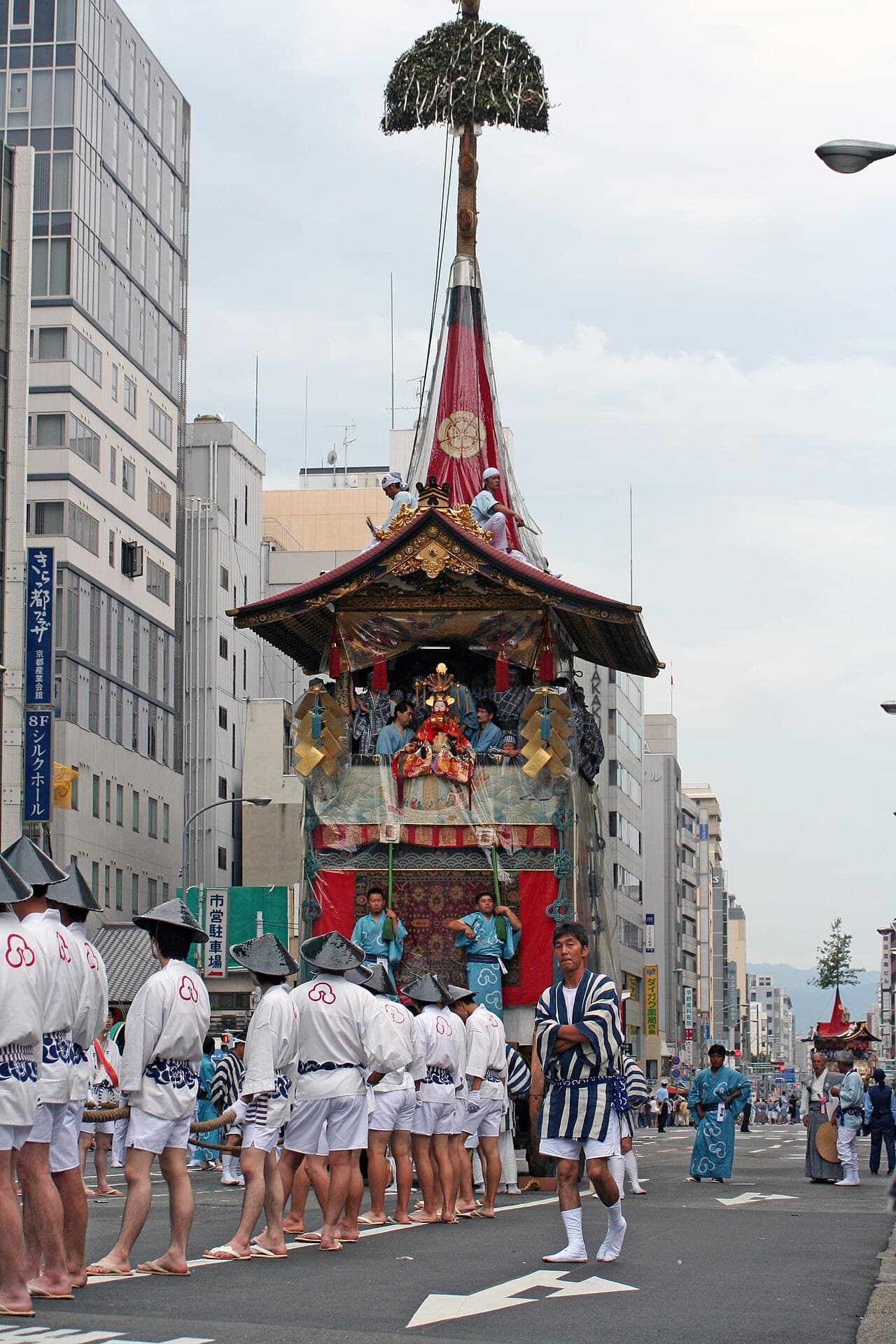
- Gion Matsuri, Kyoto — the classic yukata-and-fireworks crowd (July).
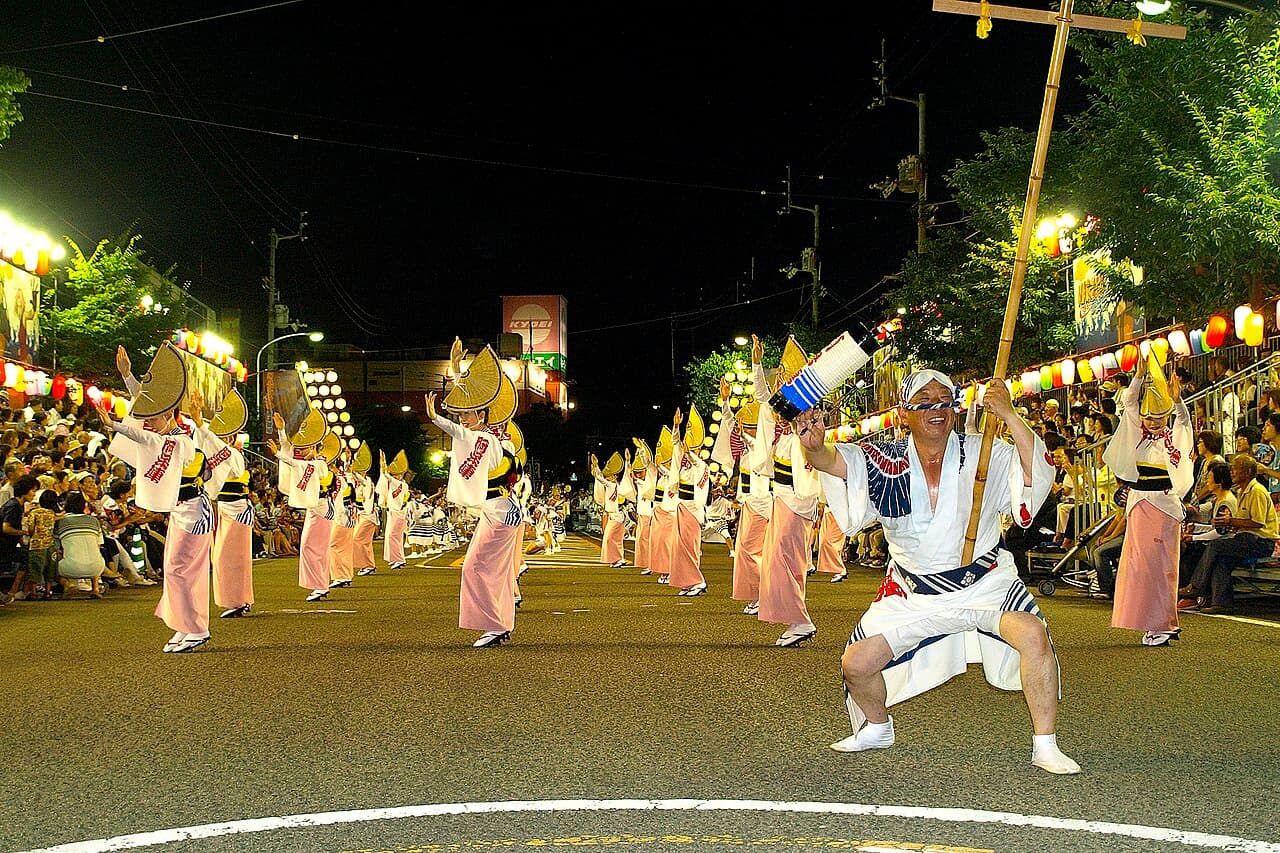
- Awa Odori, Tokushima — Japan's great dance festival (August).
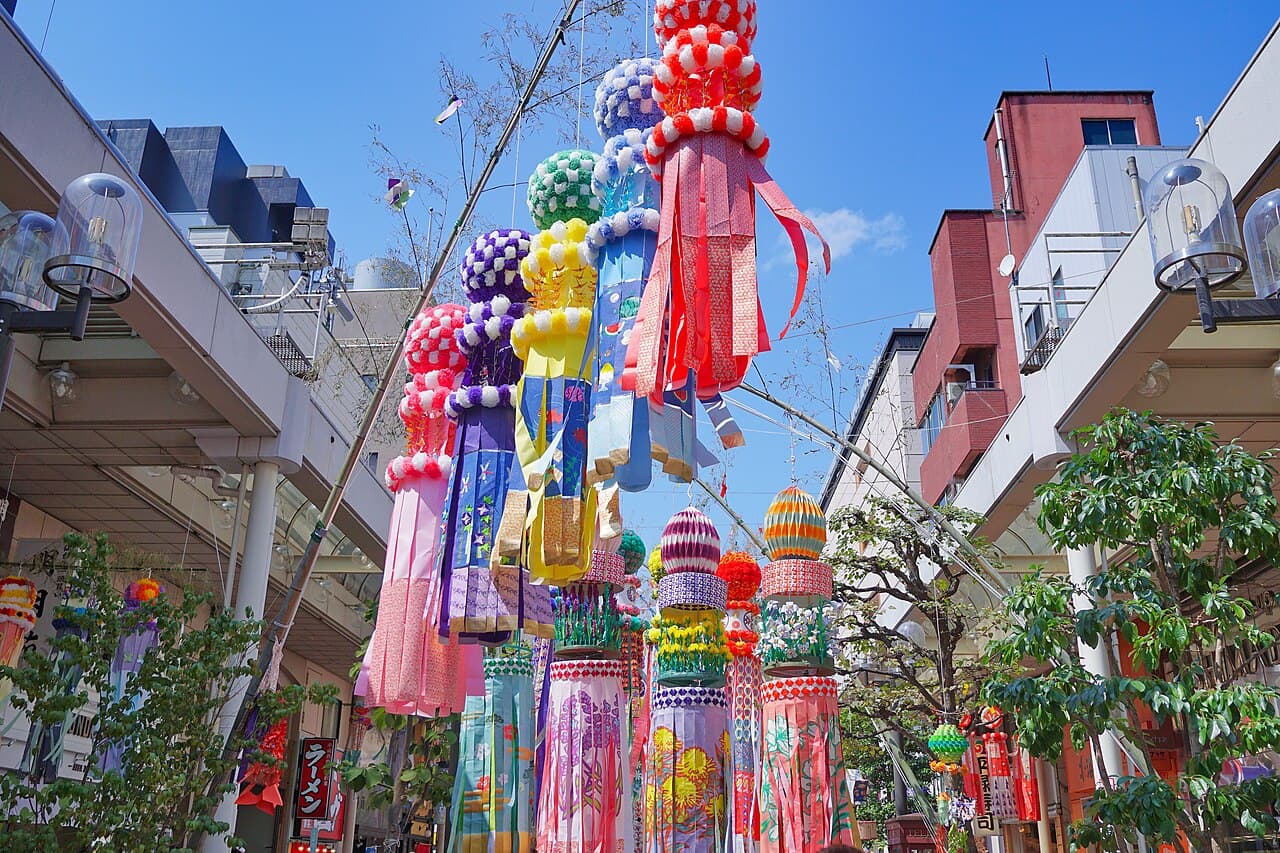
- Sendai Tanabata — paper streamers and summer streets (August).
- See everything on in the 2026 festival calendar.
A yukata is casual wear — there's no dress code to fail. Get left over right, stay cool, and enjoy the night.
FAQ
What is the difference between a yukata and a kimono?
A yukata is an unlined cotton or linen summer kimono worn straight on the skin with a simple sash — casual and cool. A formal kimono is lined, layered, usually silk, and needs more pieces and skill. For a summer festival, a yukata is the right choice.
Which way does a yukata wrap — left over right or right over left?
Always left over right: bring the right panel against your body first, then fold the left panel over the top so the left side is on the outside. Right over left is used only to dress the deceased, so never do it.
Can men and children wear yukata too?
Yes. Men wear a plainer yukata in navy or grey tied low on the hips with a thin kaku-obi. Children wear kids' yukata or an easy two-piece jinbei set — a low-stress option for families.
Do I need to buy a yukata or can I rent one?
You can rent. Rental shops in festival cities such as Kyoto, Asakusa and Kanazawa provide the full set — yukata, obi, geta and bag — and dress you on the spot for a few thousand yen for the day. Book ahead during peak festival dates.
What should I bring when wearing a yukata to a festival?
Cash in a small kinchaku or crossbody bag, a folding fan, tissues, a small towel and a couple of plasters for the geta thong. Keep it light — you'll be standing and walking for hours.
Will I be too hot in a yukata?
Yukata are cooler than they look. Choose cotton or linen, drink water, use a fan, and go to an evening session after sundown. A thin moisture-wicking slip underneath keeps you drier than bare skin.
Frequently asked questions
- What is the difference between a yukata and a kimono?
- A yukata is an unlined cotton or linen summer kimono worn straight on the skin with a simple sash — casual and cool. A formal kimono is lined, layered, usually silk, and needs more pieces and skill. For a summer festival, a yukata is the right choice.
- Which way does a yukata wrap — left over right or right over left?
- Always left over right: bring the right panel against your body first, then fold the left panel over the top so the left side is on the outside. Right over left is used only to dress the deceased, so never do it.
- Can men and children wear yukata too?
- Yes. Men wear a plainer yukata in navy or grey tied low on the hips with a thin kaku-obi. Children wear kids' yukata or an easy two-piece jinbei set — a low-stress option for families.
- Do I need to buy a yukata or can I rent one?
- You can rent. Rental shops in festival cities such as Kyoto, Asakusa and Kanazawa provide the full set — yukata, obi, geta and bag — and dress you on the spot for a few thousand yen for the day. Book ahead during peak festival dates.
- What should I bring when wearing a yukata to a festival?
- Cash in a small kinchaku or crossbody bag, a folding fan, tissues, a small towel and a couple of plasters for the geta thong. Keep it light — you'll be standing and walking for hours.
- Will I be too hot in a yukata?
- Yukata are cooler than they look. Choose cotton or linen, drink water, use a fan, and go to an evening session after sundown. A thin moisture-wicking slip underneath keeps you drier than bare skin.
All events
 OfficialPast event© Corpse Reviver · CC BY 3.0
Gion Matsuri 2026: Dates, Yoiyama & Float Parade Times (Complete Guide)
Gion Matsuri 2026 runs all July at Kyoto's Yasaka Shrine. Saki Matsuri yoiyama is July 14-16 and the float parade is July 17 at 9:00; Ato Matsuri yoiyama is July 21-23 and the parade is July 24 at 9:30. Verified dates, times and access.
Fri, Jul 17, 2026 09:00 JSTFree
 OfficialPast event© Kounosu · CC BY-SA 3.0
Awa Odori 2026 Tickets: Dates, Grandstand Seats & How to Get There
Awa Odori 2026 (Aug 12–15, Tokushima): grandstand seat prices, the 2026 on-sale dates, how to buy via Ticket Pia, and how to get there.
Wed, Aug 12, 2026 18:00 JST Across JapanReserved grandstand ¥1,000 (C) – ¥3,000 (S); Minami-uchimachi SS ¥6,000 / Special ¥15,000
 OfficialPast event© 掬茶 · CC BY-SA 4.0
Sendai Tanabata Festival 2026: Dates, Access & Highlights
Sendai Tanabata Festival 2026 (Aug 6–8): the fixed dates, the giant paper streamers, the Aug 5 fireworks, 5-min access from Sendai Station, and what to see.
Thu, Aug 6, 2026 10:00 JST Across JapanFree