Beyond Tokyo: The Complete Guide to Japan's Great Regional Festivals
Japan's biggest, oldest, and most spectacular festivals rarely happen in Tokyo. The capital has its own matsuri, but the ones that define Japanese festival culture — multi-ton floats hauled through Edo-era streets, all-night Bon dances any visitor can join, torch-lit processions with roots over a thousand years old — belong to Kyoto, the Tohoku coast, the Noto Peninsula, and dozens of towns most itineraries skip entirely. This guide organizes Japan's essential regional festivals by area and season, with practical planning advice, so you can build a trip around the one that matches your dates and interests.
Why "regional" doesn't mean "minor"
Of the festivals informally called Japan's "three great festivals" (日本三大祭り) — a popular grouping, not an official one — two of the three take place outside Tokyo: Kyoto's Gion Matsuri and Osaka's Tenjin Matsuri (only Kanda Matsuri represents the capital). The same is true of Japan's famous floats: UNESCO's "Yama, Hoko, Yatai, the Float Festivals in Japan" inscription covers 33 festivals nationwide, and most of them — from Gifu's clashing okoshi-daiko drum battles to Ishikawa's towering wheeled floats — are hours from Tokyo Station, not inside it. Scale and history are a regional story as much as a Tokyo one.
The regional festival map
Tohoku (August) — the six northern prefectures hold Japan's most concentrated summer-festival season. The "Tohoku Three Great Festivals" (東北三大祭り) travel together on one circuit: Aomori Nebuta's illuminated warrior floats, Akita Kanto's balanced bamboo lantern poles, and Sendai Tanabata's giant paper streamers. Akita is also home to the Nishimonai Bon Odori, often named among Japan's "three great Bon dances," and the samurai-town float festival Kakunodate Matsuri. In Yamagata, Shinjo Matsuri adds its own UNESCO-listed float procession each late August.
Kanto, beyond the capital — Chiba's canal town of Sawara, nicknamed "Little Edo," holds its own UNESCO-listed float event each autumn: the Sawara Taisai.
Chubu & Hokuriku — Gifu's Hida-Furukawa Matsuri, built around a clashing okoshi-daiko drum battle, and the Gujo Odori — danced on more nights than any other festival in Japan, and open for any visitor to join — sit alongside Ishikawa's Seihakusai Dekayama, some of the tallest wheeled floats in the country.
Kansai — beyond central Kyoto, Nara alone holds three festivals worth a day trip: the lantern-lit Todaiji Manto Kuyoe, the centuries-old costume procession of Kasuga Wakamiya Onmatsuri, and the dance festival Nara Basara Matsuri. Osaka's New Year opens with Toka Ebisu at Imamiya Shrine, a market-day festival for business luck.
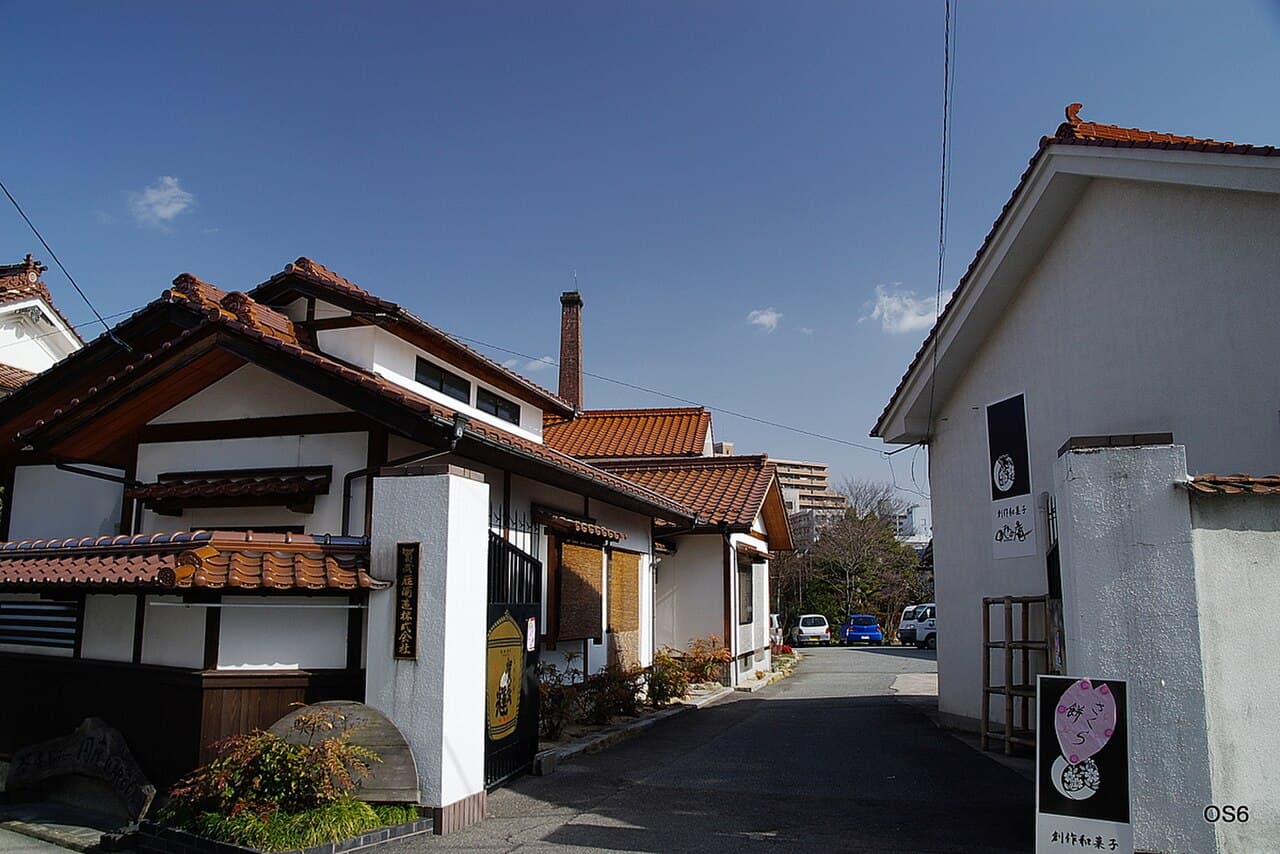
Chugoku — Hiroshima prefecture pairs the demon-costume Onomichi Betcha Matsuri with the sake-brewing town's own Saijo Sake Matsuri.
Shikoku — Tokushima's Awa Odori, sometimes named the third of Japan's "three great Bon dances," draws well over a million visitors across four nights each August; Kochi answers with Yosakoi, a modern, high-energy team dance competition.
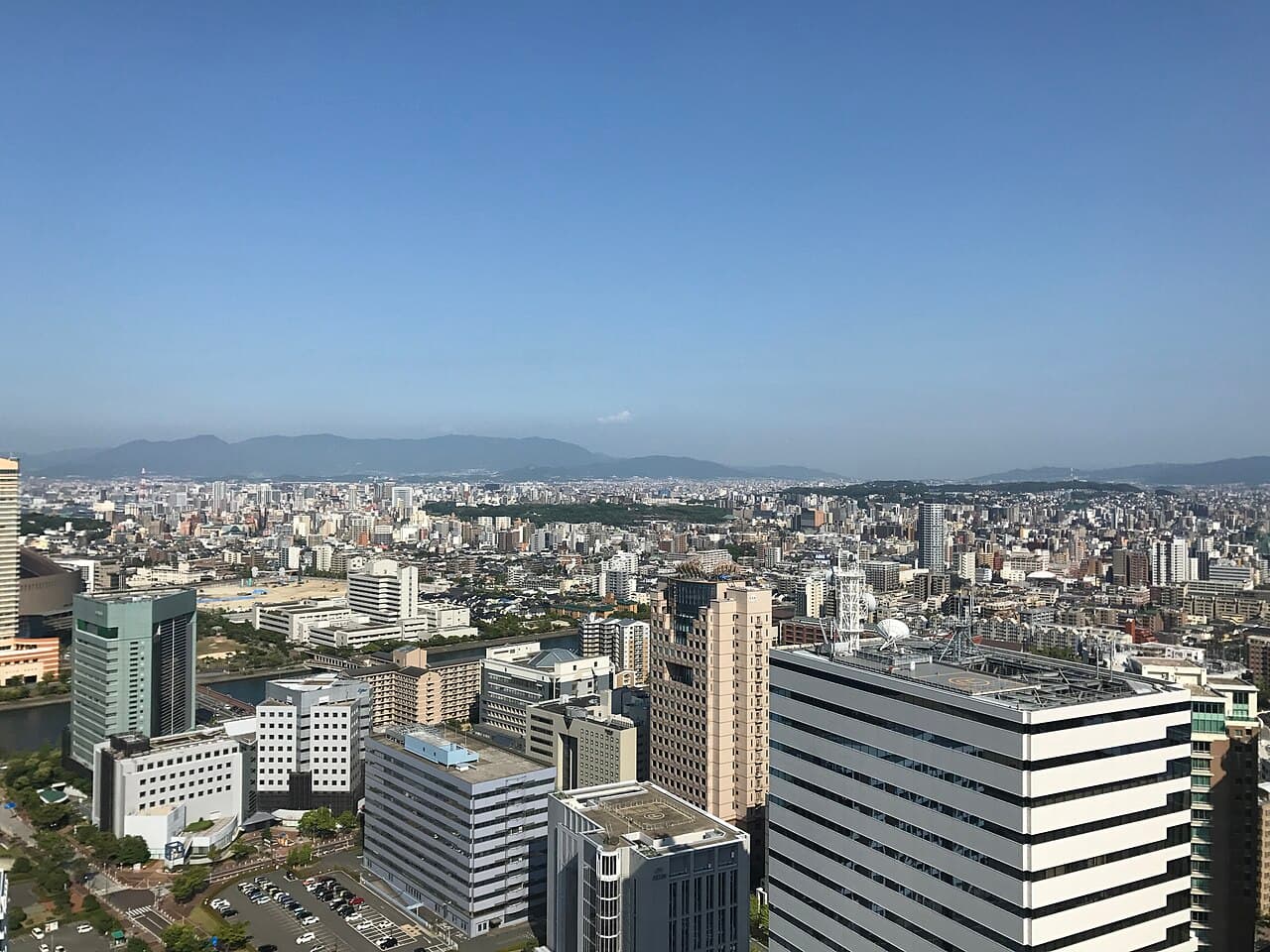
Kyushu — the season runs long here: Fukuoka's harvest festival Hakata Okunchi and the boat processions of the Munakata Taisha Miare Festival, Kitakyushu's Wasshoi Hyakuman Natsumatsuri, Saga's Imari Tonten-ton, and Kumamoto's Fujisaki Hachimangu Boshita Matsuri.
Hokkaido & the islands — Hakodate Port Festival in the north and the Ishigaki Island Festival in the subtropical south bookend the country.
How to plan a trip around one
Start from a Shinkansen hub: Sendai, Akita, Kanazawa, Kyoto, and Hakata all put a major festival within a short local-train, bus, or festival-day shuttle ride, so a car is rarely necessary. Decide early whether you need a guaranteed view or are happy with a free one — most festivals are free to watch from the street, with paid reserved grandstand seating sold only for a handful of marquee parades (see our ticket-buying guide). Book lodging as soon as your dates are fixed: hotel rooms in small festival towns sell out months ahead, especially across the Tohoku circuit in August. Summer (July–August) is Japan's densest festival season, followed by a quieter but rich autumn (September–November) of harvest and float festivals, with a small New Year cluster in January.
Festival etiquette
Step aside for a moving float or mikoshi rather than crossing in front of it, and keep drones and tripods clear of the parade route unless a spot is marked for photography. Stalls (yatai) are almost always cash-only, so carry small notes and coins. Many Bon-odori-style dances — including Gujo Odori and Awa Odori — welcome visitors into the dance circle itself; float-pulling and mikoshi-carrying roles, by contrast, are usually reserved for local parishioner groups. For the full first-timer rundown — arrival timing, rain plans, and what to wear — see our guide to attending a Japanese festival.
常见问题
- Are the 2027 regional festival dates known yet?
- Individual 2027 announcements are mostly missing as of 12 September 2026, but fixed-date festivals can be read off their published rules. Toka Ebisu runs January 9–11; Hida-Furukawa is April 19 and 20 every year (Hida City official); Seihakusai Dekayama is May 3–5 (Nanao City official); Aomori Nebuta is August 2 to 7 every year (Aomori City official); Akita Kanto is the four days of August 3 to 6 every year (official); Sendai Tanabata is August 6–8; and Awa Odori runs between August 11 and 15 every year (Tokushima City official). These are rules, not 2027 announcements.
- Can I still see the Tohoku Three on one trip in 2027?
- Yes. Following the published rules, in 2027 Aomori Nebuta runs August 2–7, Akita Kanto August 3–6, and Sendai Tanabata August 6–8, so the three overlap. Placing Akita between August 3 and 6 lets you catch all three. Because the dates are fixed, this combination works every year.
- What are Japan's three great festivals?
- The phrase usually refers to Kyoto's Gion Matsuri, Osaka's Tenjin Matsuri, and Tokyo's Kanda Matsuri — a popular grouping, not an official designation. Two of the three take place outside the capital, which is part of why Japan's grandest festival culture is so strongly regional.
- When is Japan's festival season?
- Most of Japan's largest festivals cluster in summer, from mid-July through August, including the Tohoku Three Great Festivals and the country's biggest Bon-odori dances. A second, quieter wave of harvest and float festivals runs through autumn (September-November), with a small New Year cluster in January.
- Do I need tickets for a matsuri?
- No — almost every festival is free to watch from the street. Paid reserved grandstand seating is sold only for a handful of marquee parades, such as Aomori Nebuta or Awa Odori, for a guaranteed head-on view, and those seats do sell out in advance.
- Which regional festival is worth traveling for?
- It depends what you want to see: the tallest floats are at Nanao's Seihakusai (Dekayama) and Gifu's Hida-Furukawa Matsuri, the biggest participatory dances are Gujo Odori and Awa Odori, and the Tohoku Three Great Festivals — Aomori Nebuta, Akita Kanto, and Sendai Tanabata — offer the most concentrated week of festival-hopping in the country.
- How do I get to rural festivals without a car?
- Almost all of the festivals in this guide are reachable by Shinkansen or limited express to a regional hub, then a short local train, bus, or festival-day shuttle — Akita, Sendai, Kanazawa, and Hakata all put a major festival within easy reach. Car rental is rarely necessary, and parking is often restricted during festival dates anyway.
- Can foreigners join in the dancing?
- Yes, for participatory Bon-odori-style festivals: Gujo Odori and Awa Odori both welcome any visitor into the dance circle, and Gujo Odori will teach first-timers the steps on the spot. Roles that involve pulling a float or carrying a mikoshi, by contrast, are usually reserved for local parishioner or neighborhood associations.
全部活动
 Official即将举行© そらみみ · CC BY-SA 4.0
博多おくんち 2026|日期、牛车巡游与交通指南
博多おくんち 2026(10月23日–24日)是福冈栉田神社的免费秋季例大祭,历史长达1200年 — 以10月24日的牛车巡游最为著名。日期、行程与交通指南如下。
2026年10月23日周五 10:00 JST Fukuoka免费
Official本周末© そらみみ · CC BY-SA 4.0Munakata Taisha Autumn Festival — Miare-sai 2026
Around 100 fishing boats escort three deities' mikoshi across the sea at this World Heritage shrine's grand autumn festival.
2026年10月1日周四 09:00 JST Fukuoka免费
 Official即将举行© Dariusz Jemielniak · CC BY-SA 3.0
Onomichi Betcha Festival 2026
Three costumed demons roam the streets of hillside Onomichi, tapping children with sticks to bring them good health.
2026年11月1日周日 09:00 JST Hiroshima免费
 Official即将举行© OS6 · CC BY-SA 3.0
Saijo Sake Festival 2026: Dates, Tickets & Access
Saijo Sake Festival 2026 runs October 10–11 in Hiroshima's sake capital — Japan's largest sake-tasting event. Confirmed dates, 2025 reference ticket price, and access below.
2026年10月10日周六 10:00 JST HiroshimaFestival free to enter; the 'Sake Plaza' tasting pass is paid
 Official已结束© Degueulasse · CC BY-SA 3.0
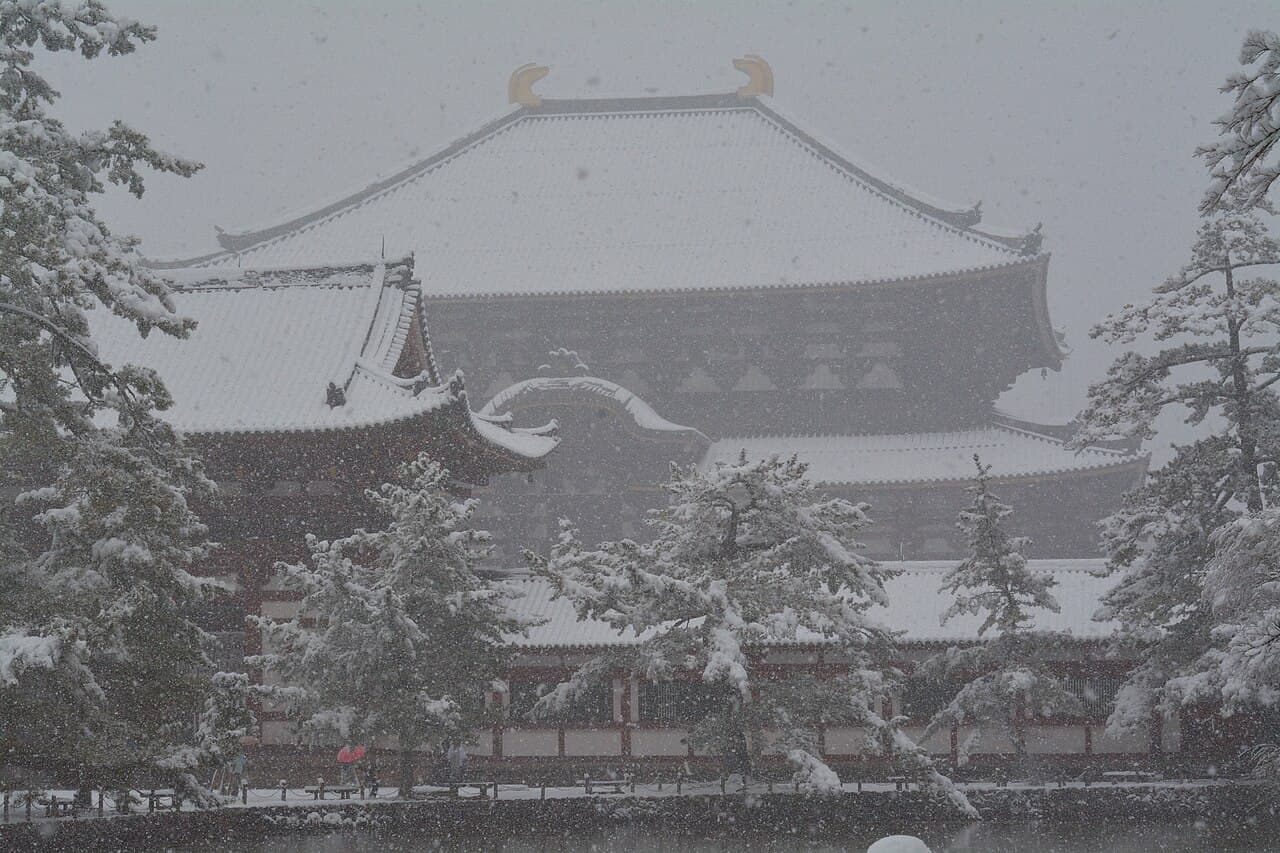
东大寺万灯供养会 2026 | 日期、地点与入场
**东大寺的万灯供养会(万灯供養会)于2026年8月15日傍晚举行**,届时**数千盏灯笼**点亮大佛殿,**观相窗(観相窓)开启**,让大佛的面容凝望夜色。这是奈良一场感人至深的盂兰盆供养。
2026年8月15日周六 19:00 JST Nara万灯供养会当晚的供养仪式本身属宗教活动,通常在境内观览;平日大佛殿门票为成人¥800/儿童¥400,或大佛殿+东大寺博物馆联票成人¥1,200/儿童¥600(截至2026年7月)。任何特别晚间的入场安排请以官方网站为准。
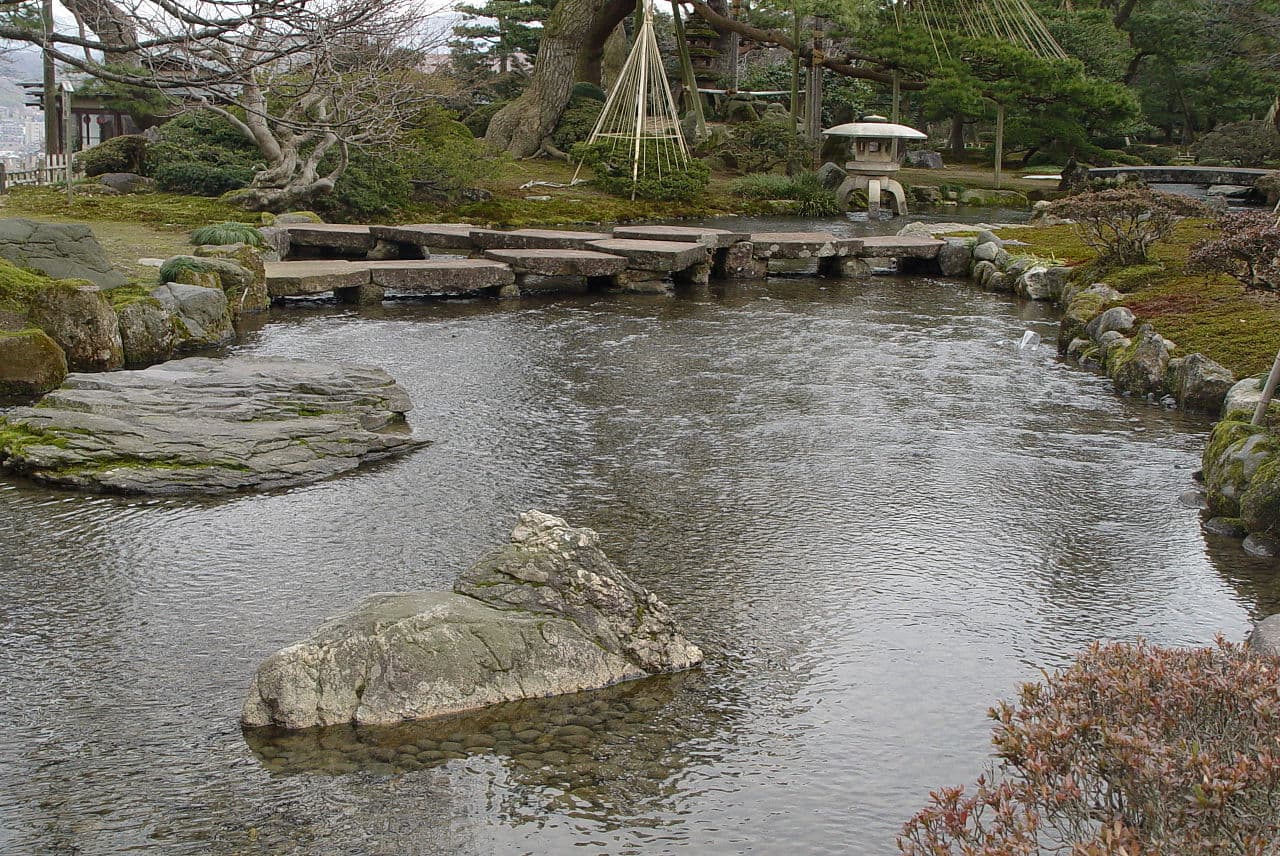
Official即将举行© Degueulasse · CC BY-SA 3.0Kasuga Wakamiya On-Matsuri 2026
A 890-year-old festival whose daytime parade marches costumes from the Heian through Edo eras through central Nara.
2026年12月15日周二 09:00 JST Nara免费
 Official即将举行© Jovandavid · Public Domain
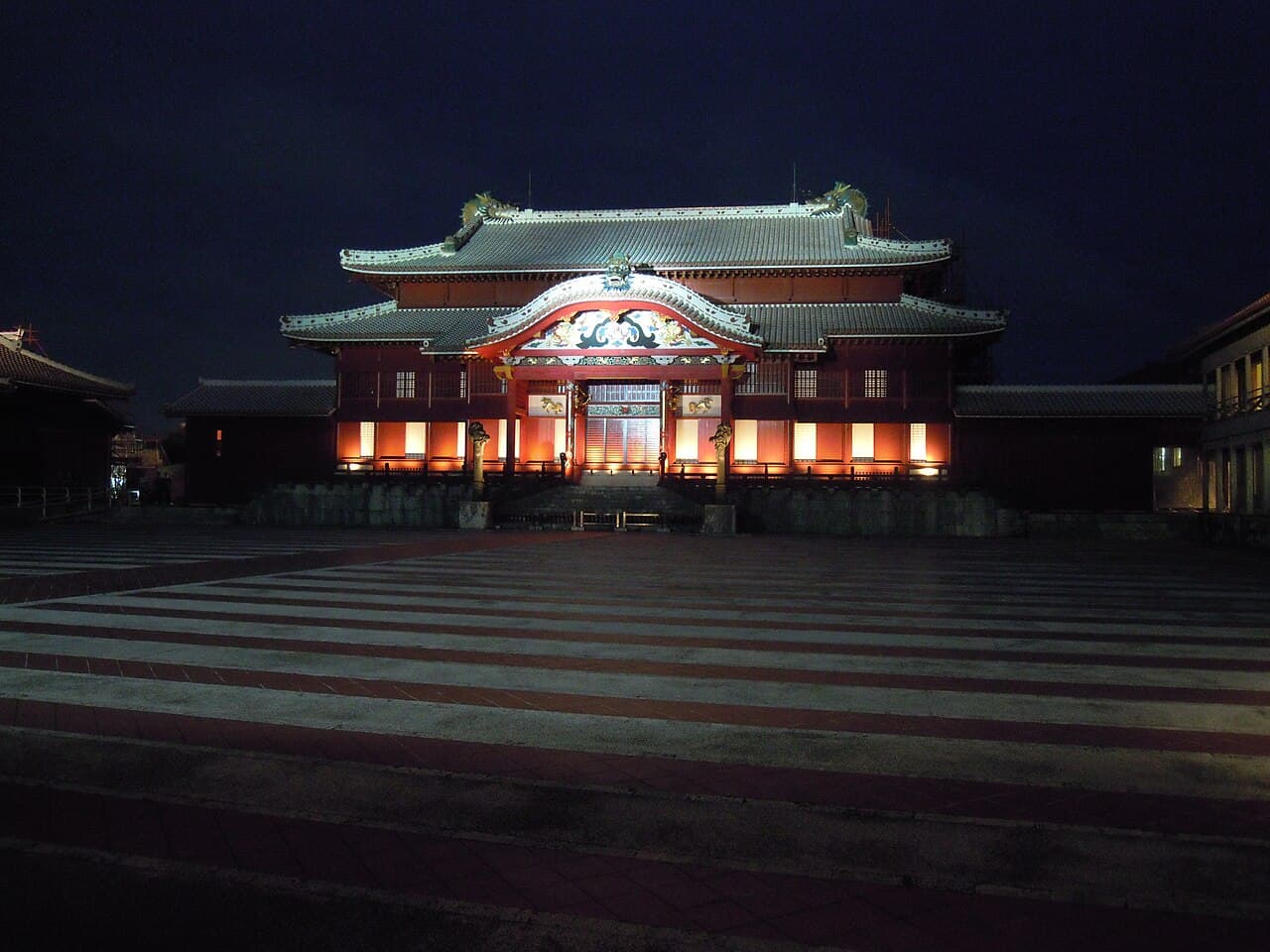
Seihakusai Dekayama Festival 2027 (Nanao)
Three 12-metre, 20-ton wooden floats — among Japan's largest — are hauled through Nanao's narrow streets.
2027年5月3日周一 09:00 JST Kanazawa免费
 Official即将举行© Qiuqizhenghong · CC BY-SA 3.0
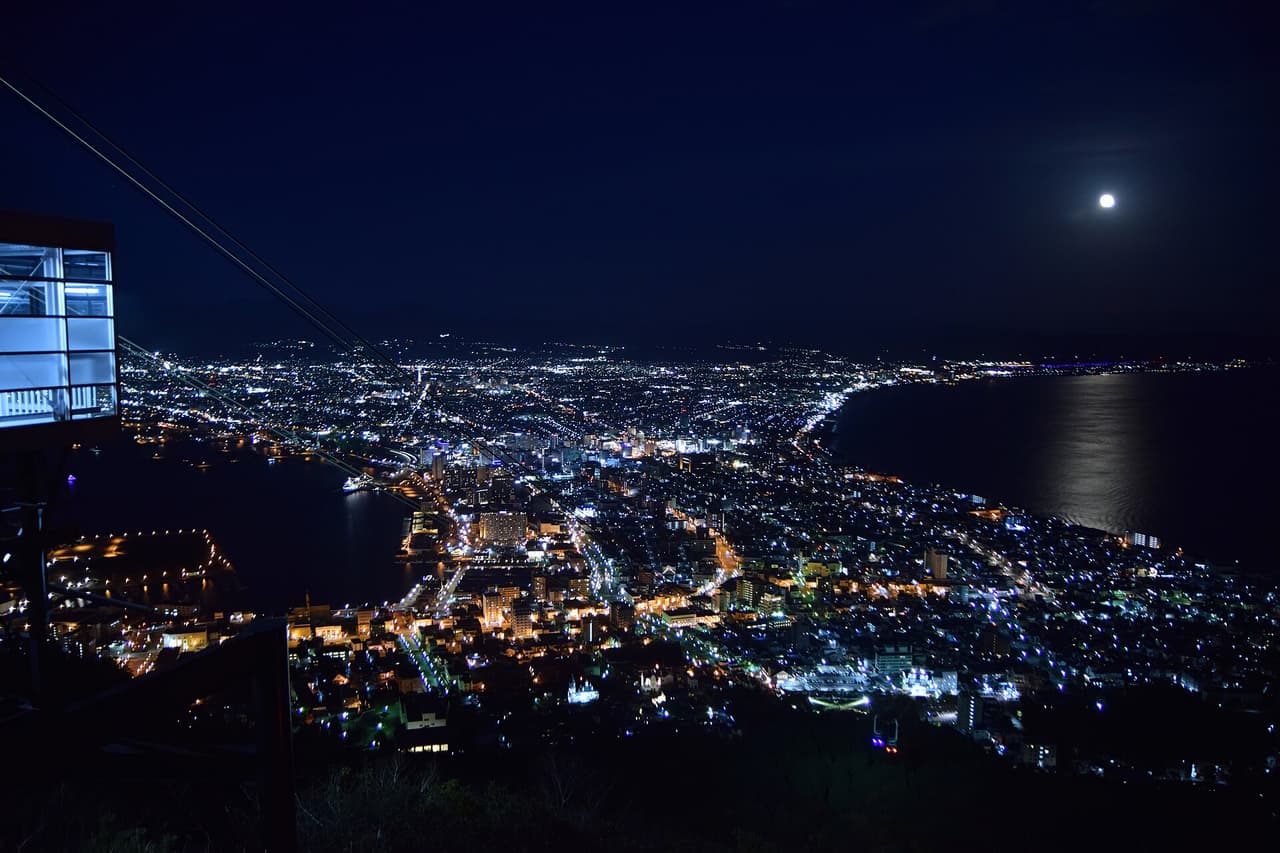
Ishigaki Island Festival 2026
The Yaeyama Islands' biggest festival fills central Ishigaki with a citizens' parade, island music and a closing fireworks display over the harbour town.
2026年11月7日周六 Okinawa免费
 Official已结束© Raita Futo · CC BY 2.0
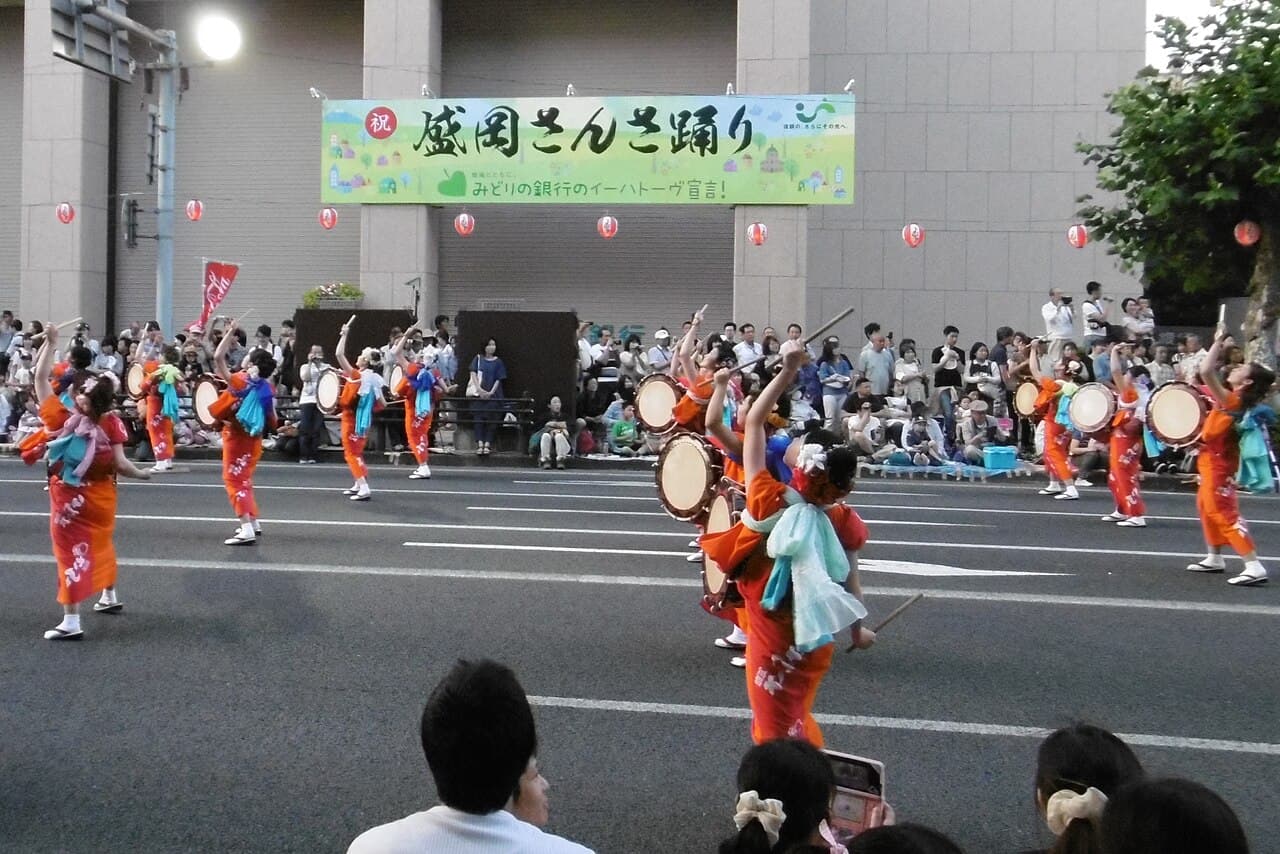
Hakodate Port Festival 2026: Fireworks, Squid Dance & Dates
The Hakodate Port Festival 2026 is over - it ran 1-5 August 2026. The festival is held on the same calendar dates every year, so the 2027 edition falls on Sunday 1 - Thursday 5 August 2027. Free to attend, 5 minutes' walk from JR Hakodate Station.
2026年8月1日周六 19:45 JST Across Japan免费
 Official已结束© Marho · CC BY-SA 4.0
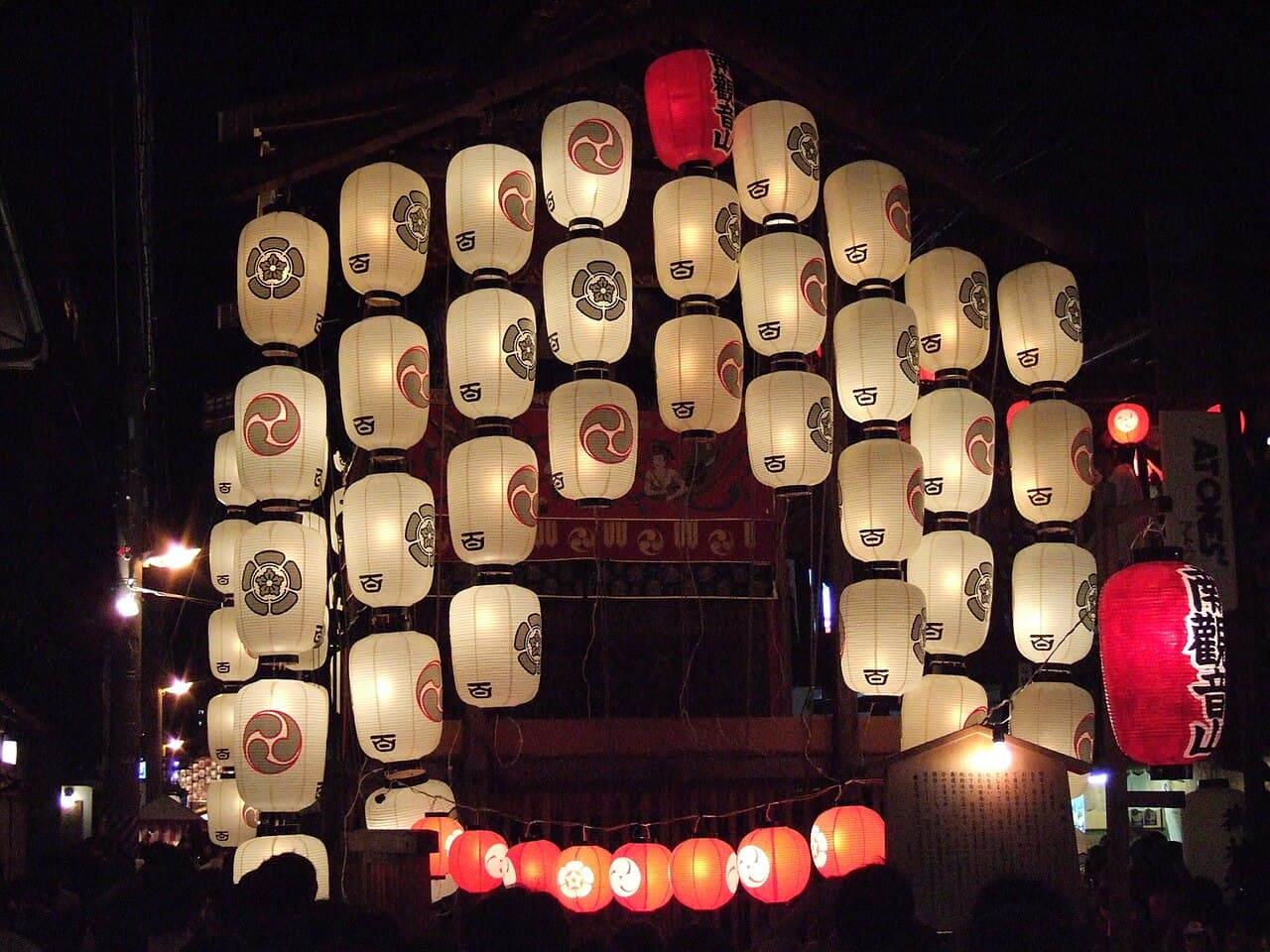
Gujo Odori 2026 All-Night Dance: How to Get There (First-Timer's Guide)
Gujo Odori 2026's all-night Tetsuya Odori runs over Obon, Aug 13-16, from 8 pm to 4-5 am. The stage is the old castle town of Gujo-Hachiman in Gifu, about a 20-min walk from Gujo-Hachiman Station. Verified dates, venue and access for first-timers.
2026年8月13日周四 20:00 JST免费
 Official即将举行© Midori (Wikimedia user) · CC BY-SA 3.0
Imari Tonten-ton Festival 2026
One of Japan's three great 'fighting' festivals, where teams ram a giant drum-float and mikoshi together to a thundering 'ton-ten-ton' beat.
2026年10月24日周六 10:00 JST Across Japan免费
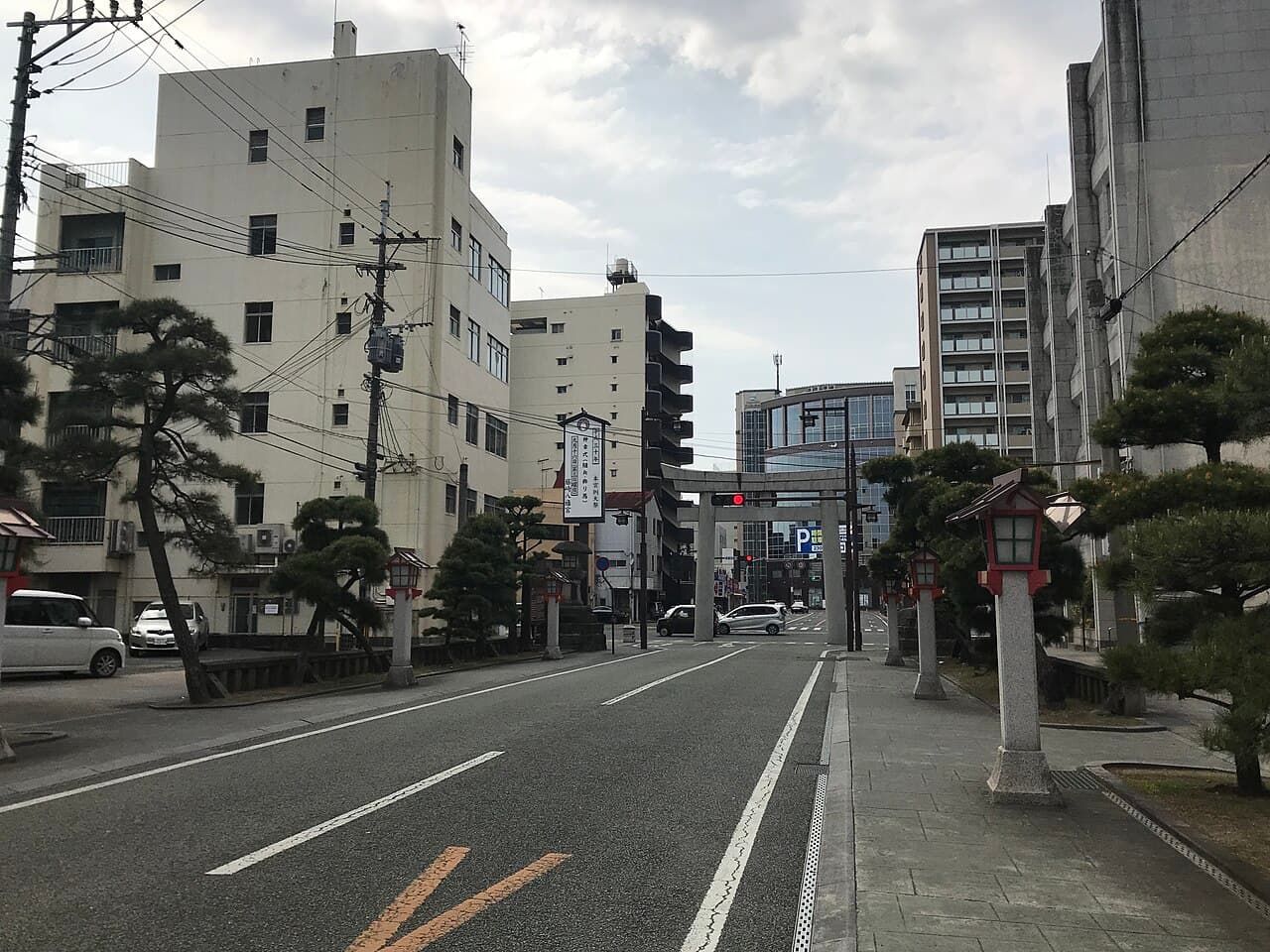
Official已结束© Degueulasse · CC BY-SA 3.0Nara Basara Festival 2026
Nara's energetic summer counterpoint — vivid street-dance teams parade past Todaiji, Kasuga Taisha and Sanjo-dori.
2026年8月29日周六 11:00 JST Nara免费
 Official已结束© そらみみ · CC BY-SA 4.0
Fujisaki Hachimangu Boshita Matsuri 2026
Kumamoto's biggest autumn festival runs Sept 20-21, 2026: about 60 decorated parade horses and a twice-daily armored procession fill the streets, free to watch.
2026年9月20日周日 06:00 JST Across Japan免费
 Official已结束© 掬茶 (Kikucha) · CC BY-SA 4.0
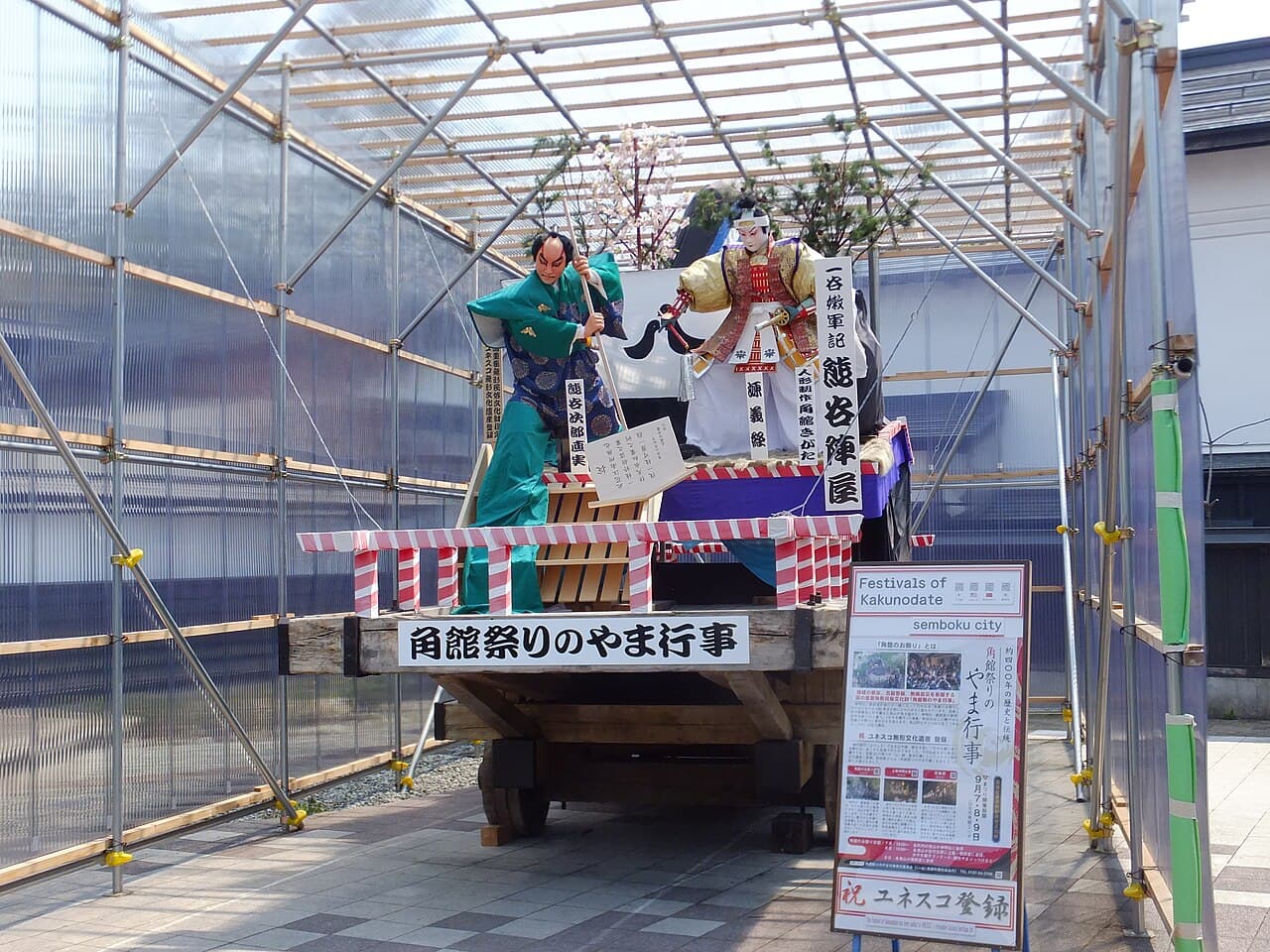
Kakunodate Festival 2026
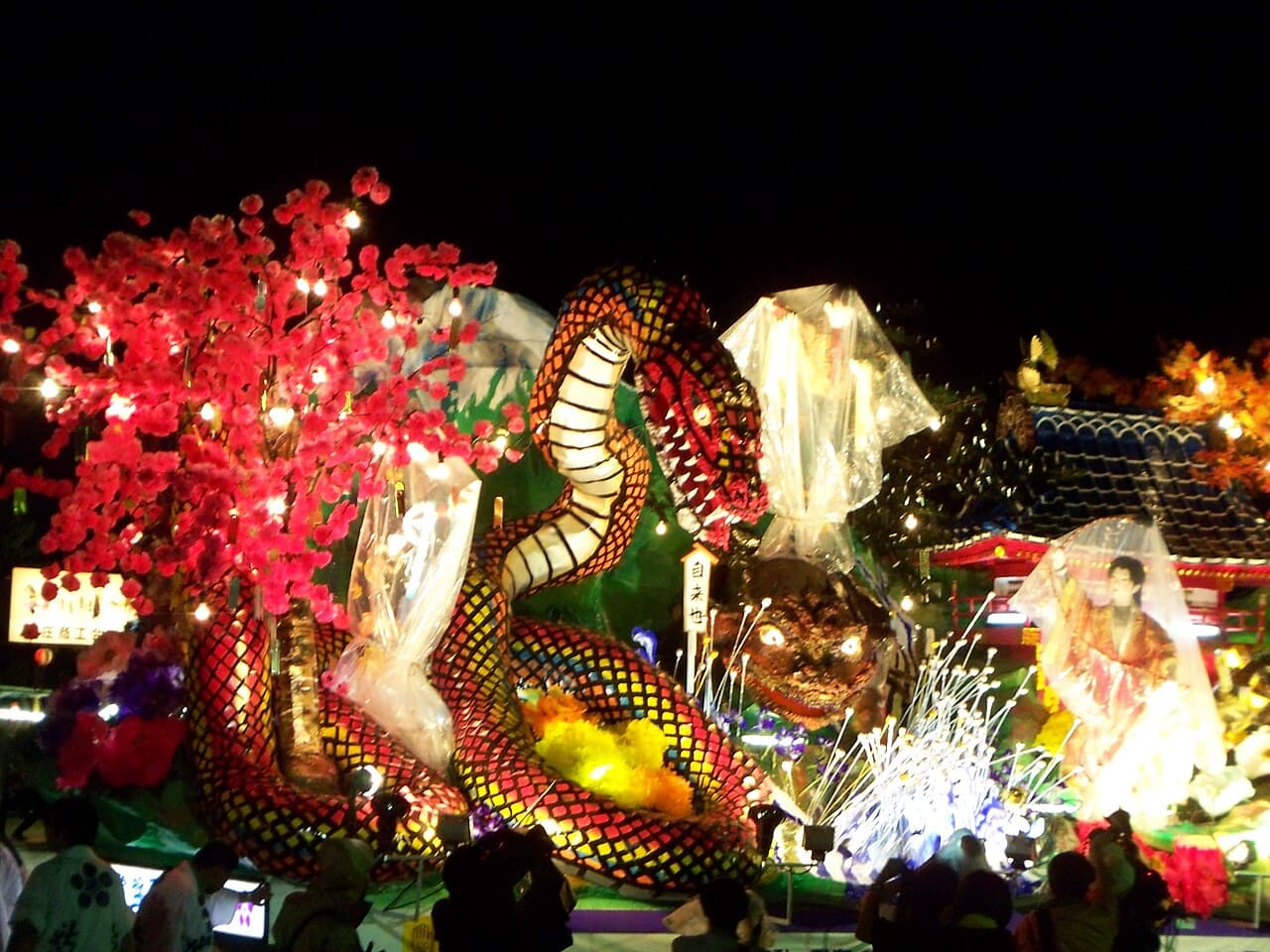
Every September 7-9, the samurai town of Kakunodate fills with towering yama floats carrying warrior dolls by day; after dark comes the yamabuttsuke, when two floats that refuse to yield are rammed together in a thunderous, adrenaline-charged test of nerve.
2026年9月7日周一 09:00 JST Across Japan免费
 Official已结束© Katsutoshi Misawa (克年 三沢) · CC BY 2.0
Shinjo Matsuri 2026
Twenty towering yatai floats - hand-built from scratch every year and dressed as scenes from kabuki and legend - parade the streets of Shinjo each August 24-26. This 260-plus-year-old UNESCO-listed float festival reaches a milestone in 2026: its 270th staging.
2026年8月24日周一 15:00 JST Across Japan免费
 Official即将举行© katorisi · CC BY 3.0
Sawara Grand Festival: Autumn 2026
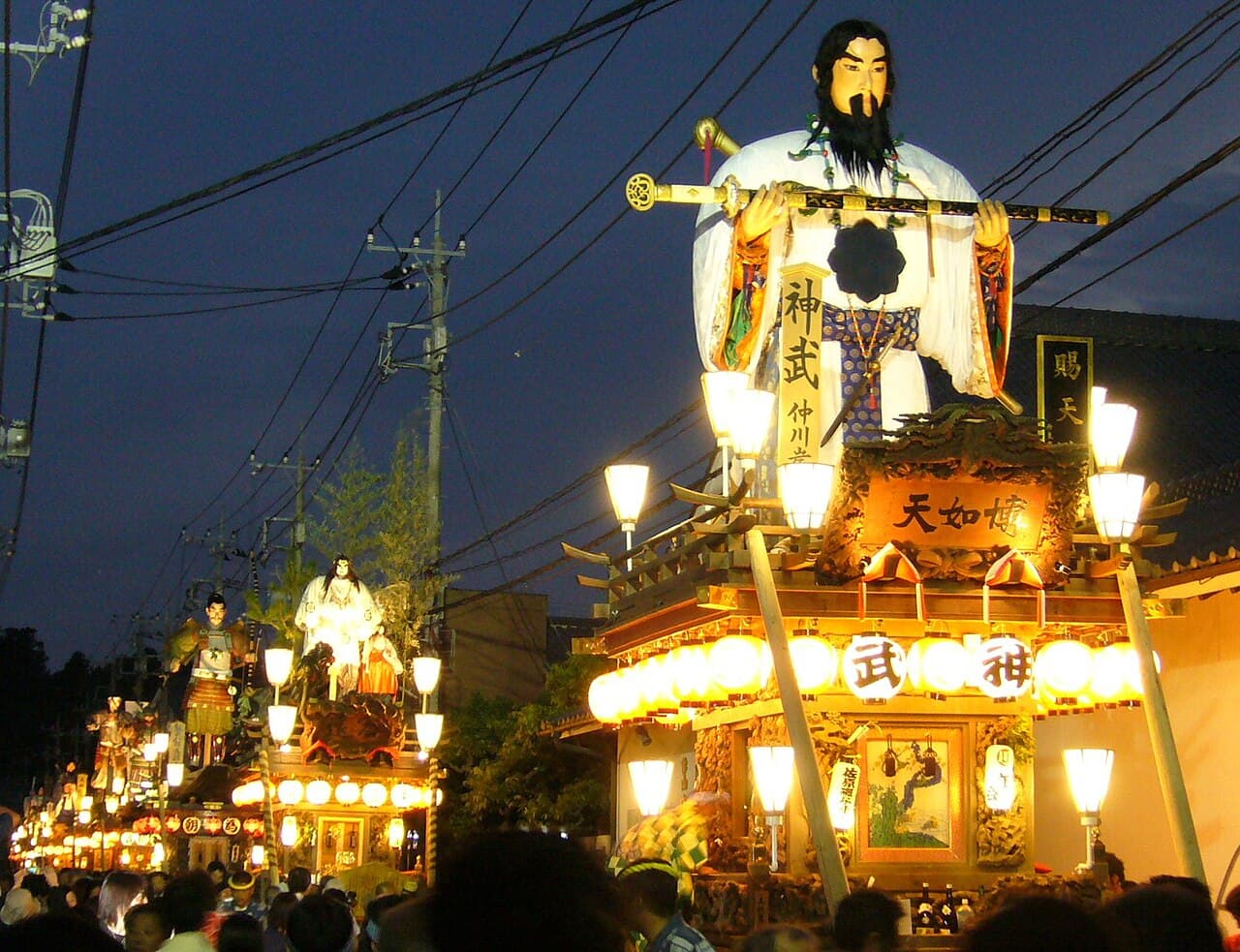
Fourteen giant wooden floats, each topped by a towering doll of a legendary hero, are hauled through the canal-side 'Little Edo' streets of Sawara to lilting Sawara-bayashi music every autumn - October 9-11 in 2026 - in one of the Kanto region's three great float festivals, just a day-trip from Tokyo.
2026年10月9日周五 10:00 JST Across Japan免费
 Official即将举行© Hyppolyte de Saint-Rambert · CC BY 4.0
Imamiya Ebisu Toka Ebisu 2027
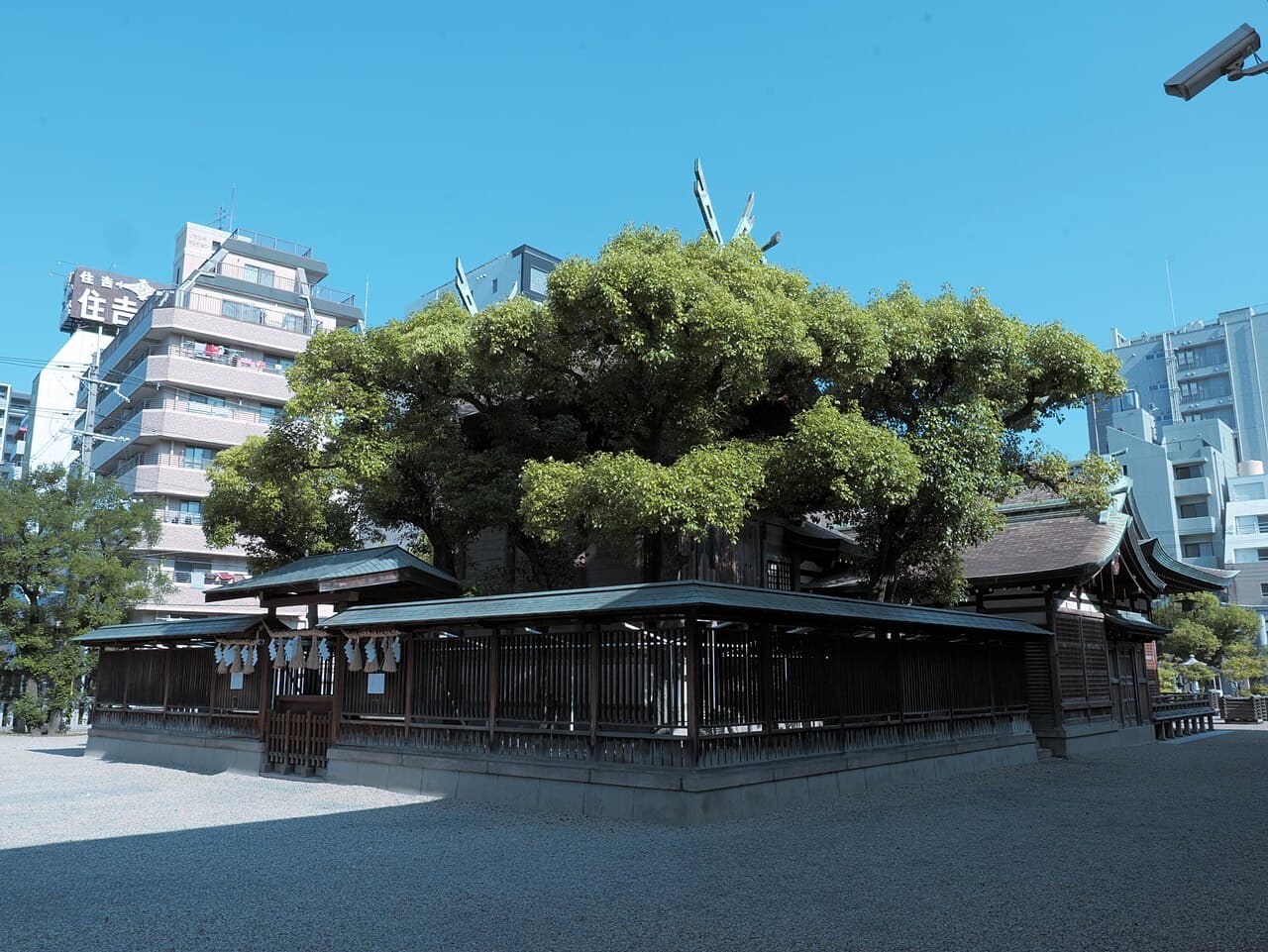
Around a million people pack Osaka's Imamiya Ebisu Shrine over January 9-11 to pray to 'Ebessan', the god of business prosperity - collecting a lucky fukuzasa bamboo branch from kimono-clad 'fuku-musume' maidens to the chant 'come with your bamboo for a thriving business'.
2027年1月9日周六 09:00 JST Osaka免费
 Official即将举行© teru · Public domain
Hida Furukawa Festival 2027
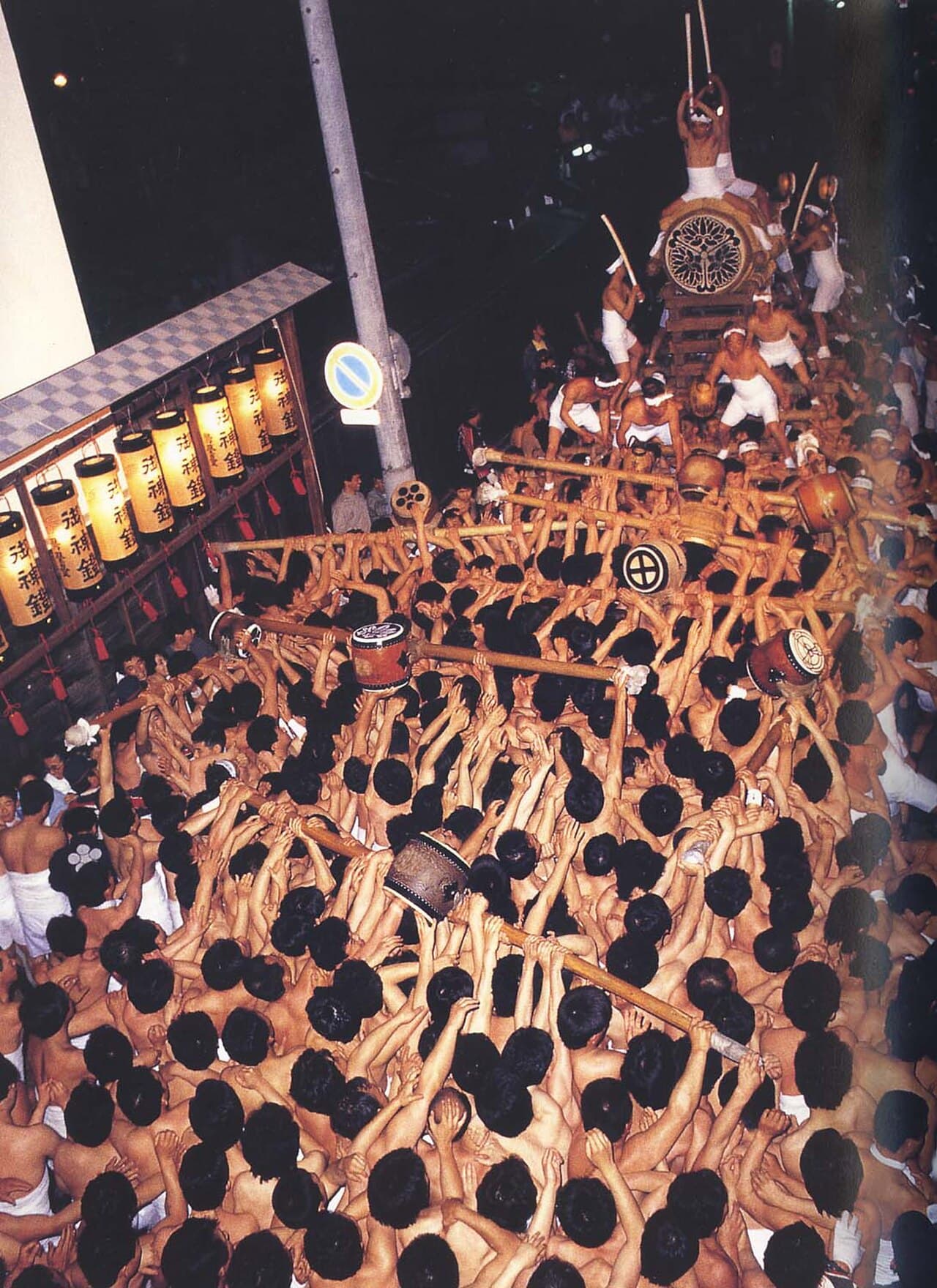
On the night of April 19, hundreds of near-naked men carry a giant drum on a tall wooden tower through Hida-Furukawa while rival neighborhood teams charge in to plant their small drums against it - the wild Okoshi-daiko, heart of a UNESCO-listed festival that also parades nine ornate floats on the 20th.
2027年4月19日周一 09:00 JST Across Japan免费
 Official即将举行© Joe Mabel · CC BY-SA 3.0
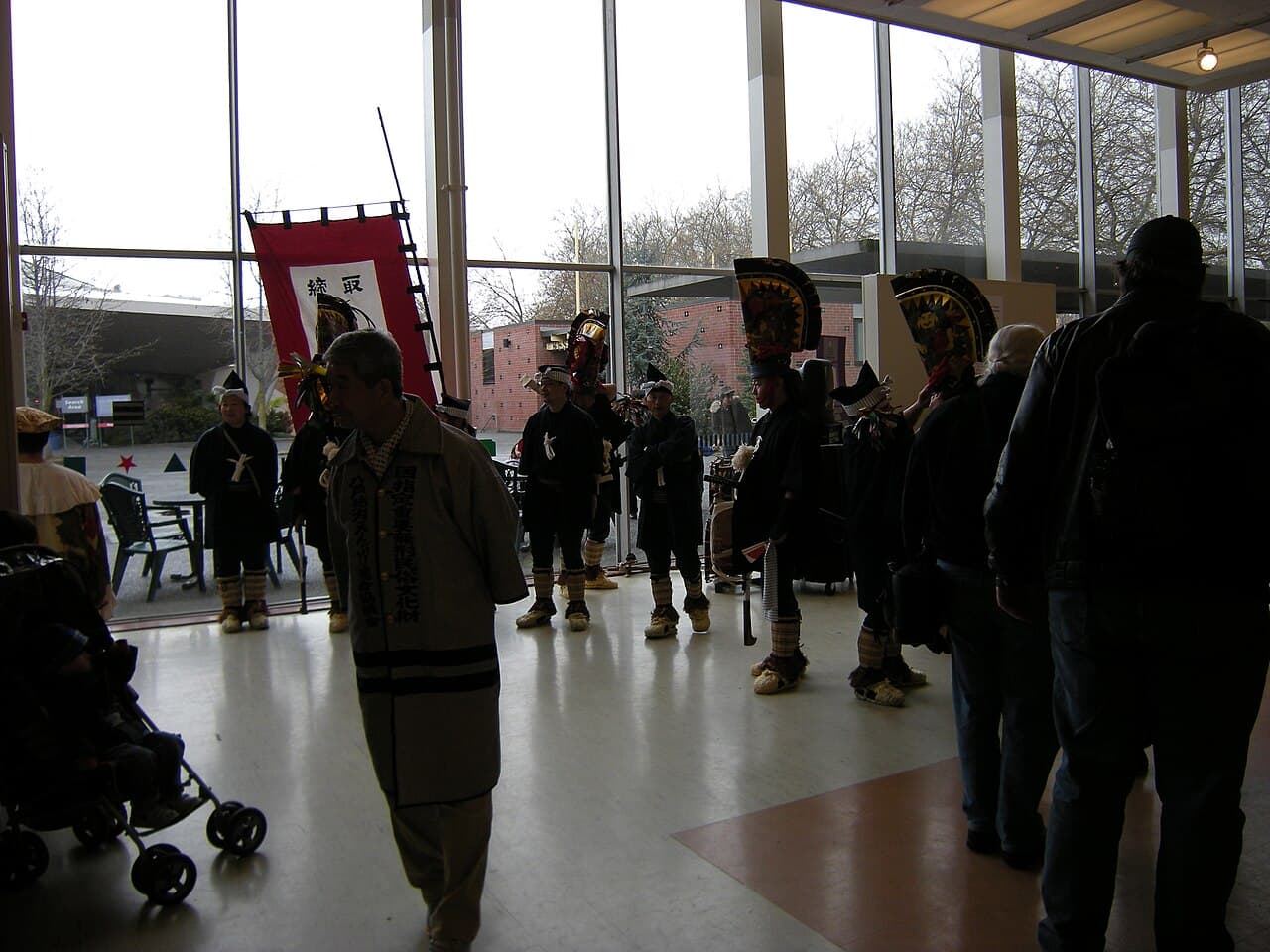
Hachinohe Enburi 2027: 17–20 February Schedule
Every February 17-20, dozens of Enburi troupes dance through Hachinohe in tall black eboshi hats to summon an early spring and good harvest - a roughly 800-year-old rite tracing to the Kamakura era, now a national Important Intangible Folk Cultural Property.
2027年2月17日周三 07:00 JST Across Japan免费
 Official即将举行© 8-Forest · CC BY-SA 4.0
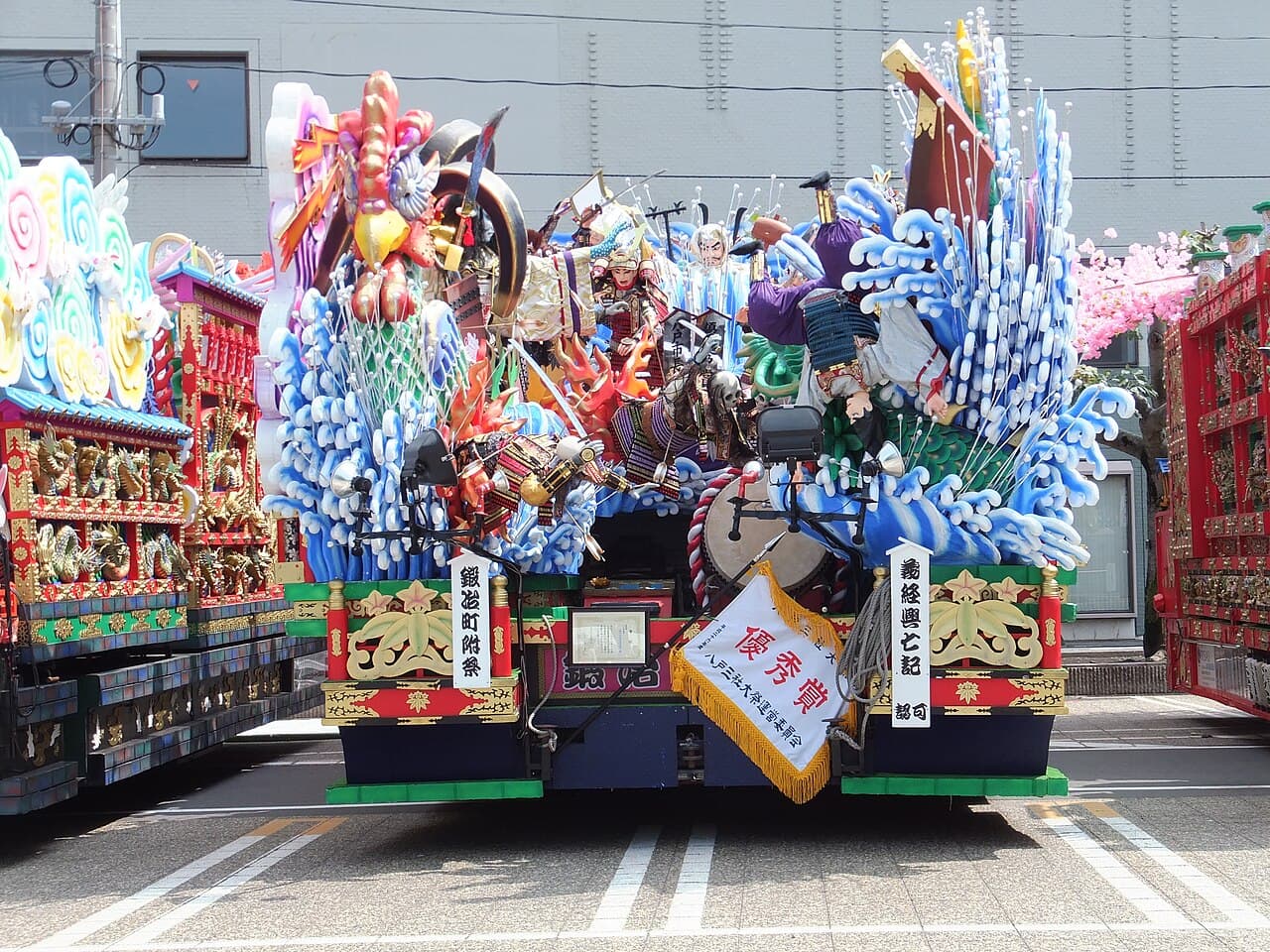
Hachinohe Sansha Taisai 2027
For five days every July 31-August 4, 27 towering, gold-leafed floats and three shrines' mikoshi processions fill Hachinohe's streets - a 300-year-old harvest-thanksgiving festival and UNESCO Intangible Cultural Heritage that draws over a million visitors.
2027年7月31日周六 18:00 JST Across Japan免费
 Official即将举行© 江戸村のとくぞう (Edomura no Tokuzo) · CC BY-SA 4.0
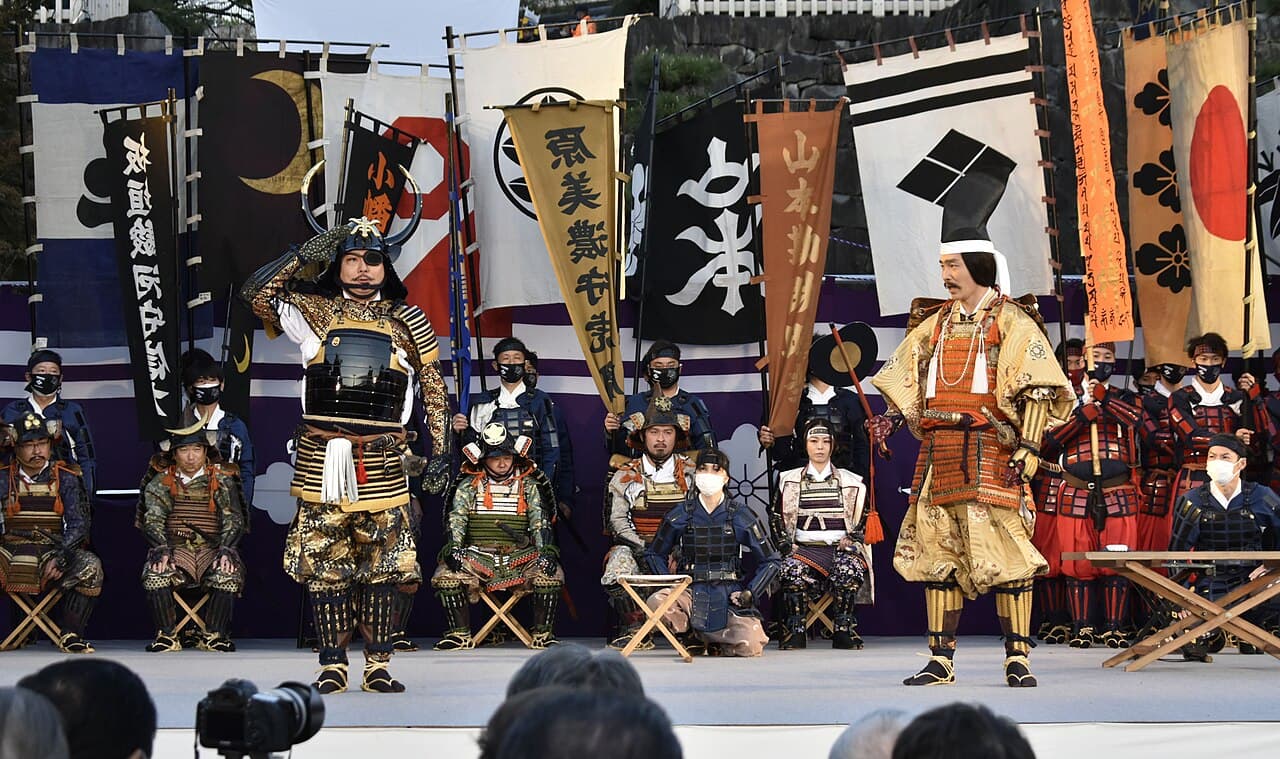
Shingen-ko Festival 2027: April 2027, Dates Still To Be Announced
The 53rd Shingen-ko Festival is expected in Kofu in April 2027, but the exact dates are still unannounced as of September 2026. Casting is set: actor Maki Miya as Takeda Shingen — only the third woman in the role — and opera singer Kohei Yamamoto as Yamamoto Kansuke.
2027年4月2日周五 12:00 JST Across Japan免费
 Official即将举行© 663highland · CC BY-SA 3.0
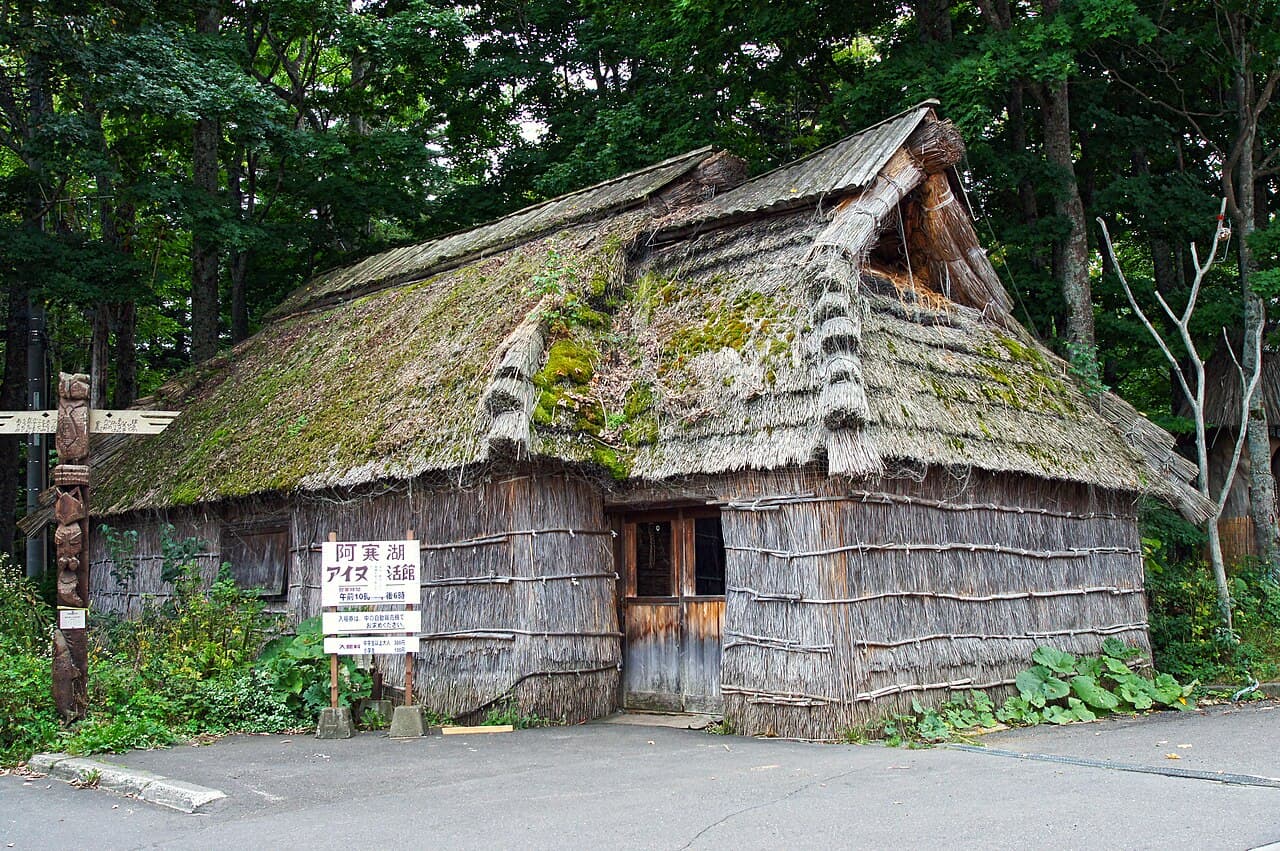
Marimo Festival 2026
Marimo Festival 2026 runs 8–10 October at Lake Akan, Hokkaido. Every ceremony is free to watch: Ainu elders open with kamuinomi prayers, a torchlit parade winds along the lake on the second night, and on the final morning the marimo are carried by dugout canoe back into the water — a rite held every year since 1950 to protect a Special Natural Monument.
2026年10月8日周四 10:00 JST Across Japan免费
 Official已结束© Hasui Kawase · Public domain
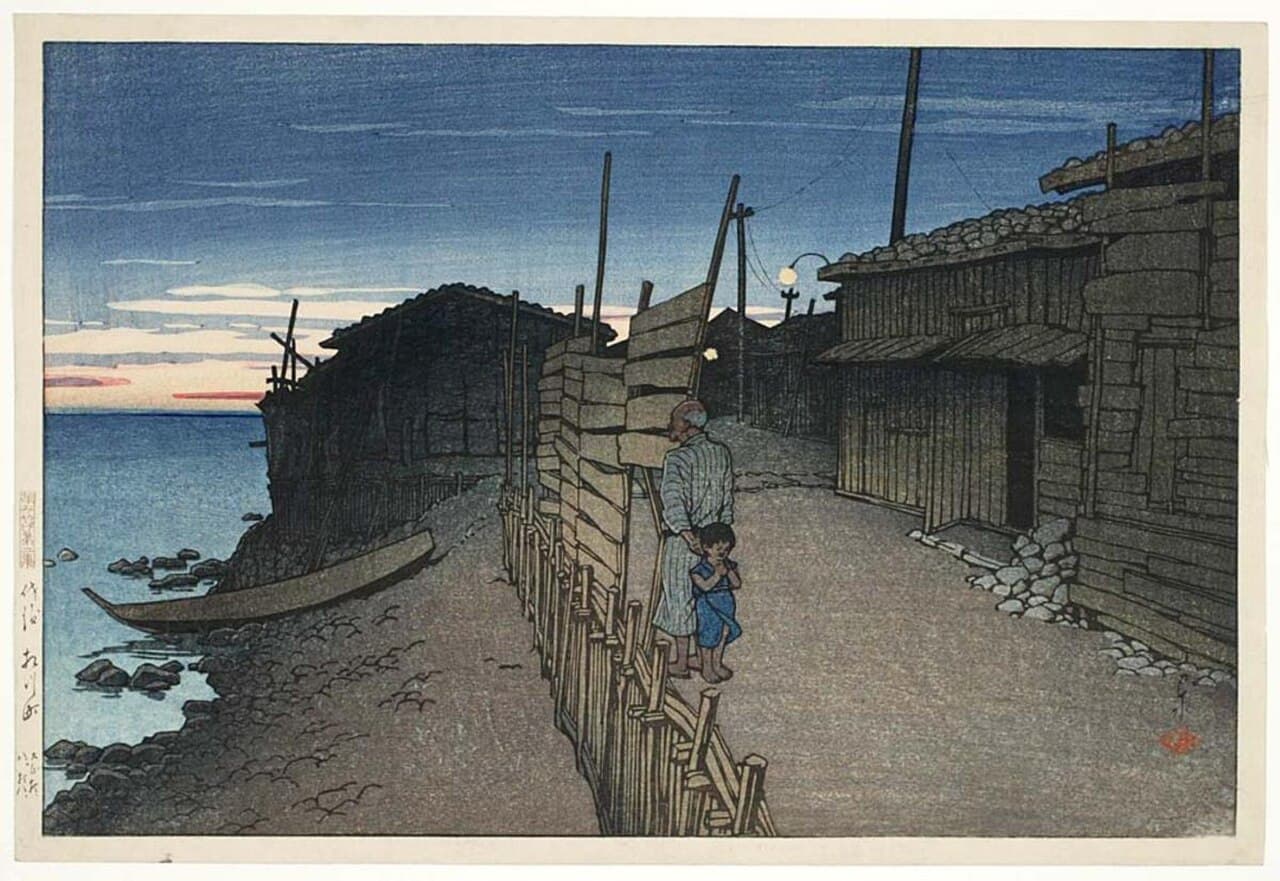
Sado Okesa Festival (Kozan Matsuri) 2026
Sado Island's 140th Kozan Matsuri (Jul 25-26) pairs a gold-mine shrine ritual with a town-wide Okesa dance through Aikawa and fireworks over the harbor.
2026年7月25日周六 10:00 JST Across Japan免费
 Official已结束© MaedaAkihiko · CC BY-SA 4.0
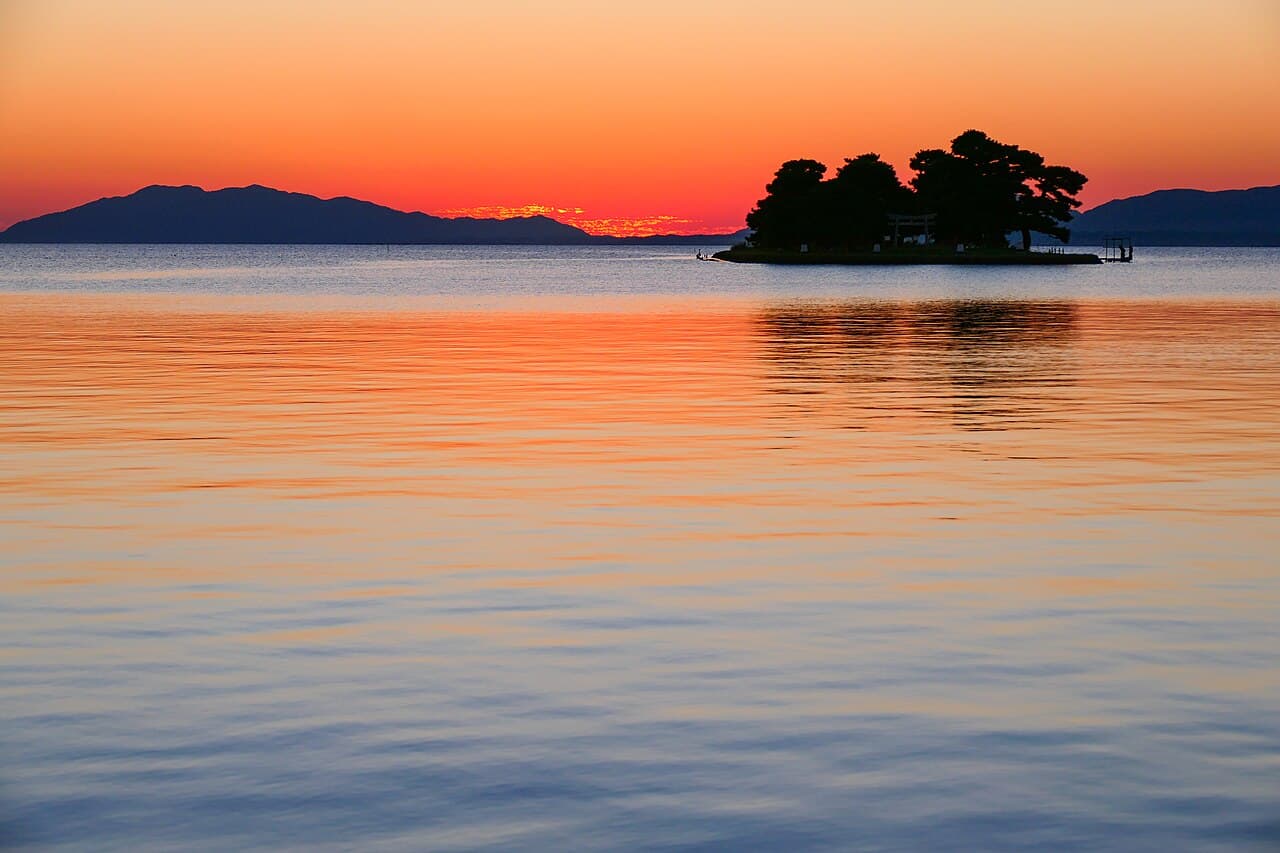
Matsue Suigosai Fireworks 2026
21,000 fireworks over Lake Shinji across two nights (Aug 1-2, 2026) -- one of western Japan's biggest lake firework shows, with a drone show opening night one.
2026年8月1日周六 20:00 JST Across JapanPaid reserved seating in 3 lakeside areas (Kohoku, Shirakata, Konan) went on sale June 6, 2026; free public viewing spots are also available around the lake.
 Official进行中© 663highland · CC BY 2.5
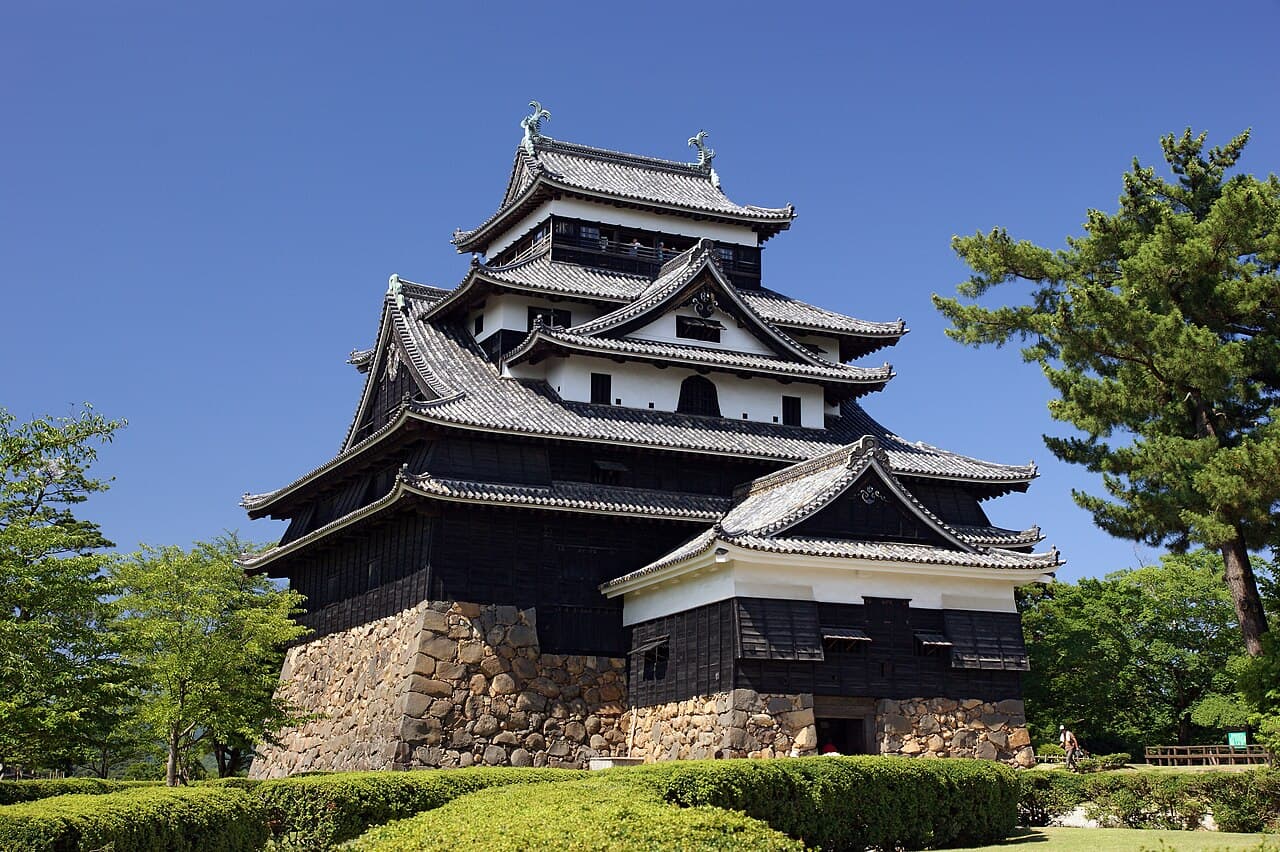
Matsue Suitoro 2026
Matsue's castle and canals glow with lanterns every weekend from Sept 26-Oct 18, 2026, 18:00-21:00 -- a quiet, romantic alternative to Japan's big-city illuminations.
至 2026年10月18日周日 21:00 JST Across Japan免费
 Official即将举行© Kanchi1979 · CC BY-SA 4.0
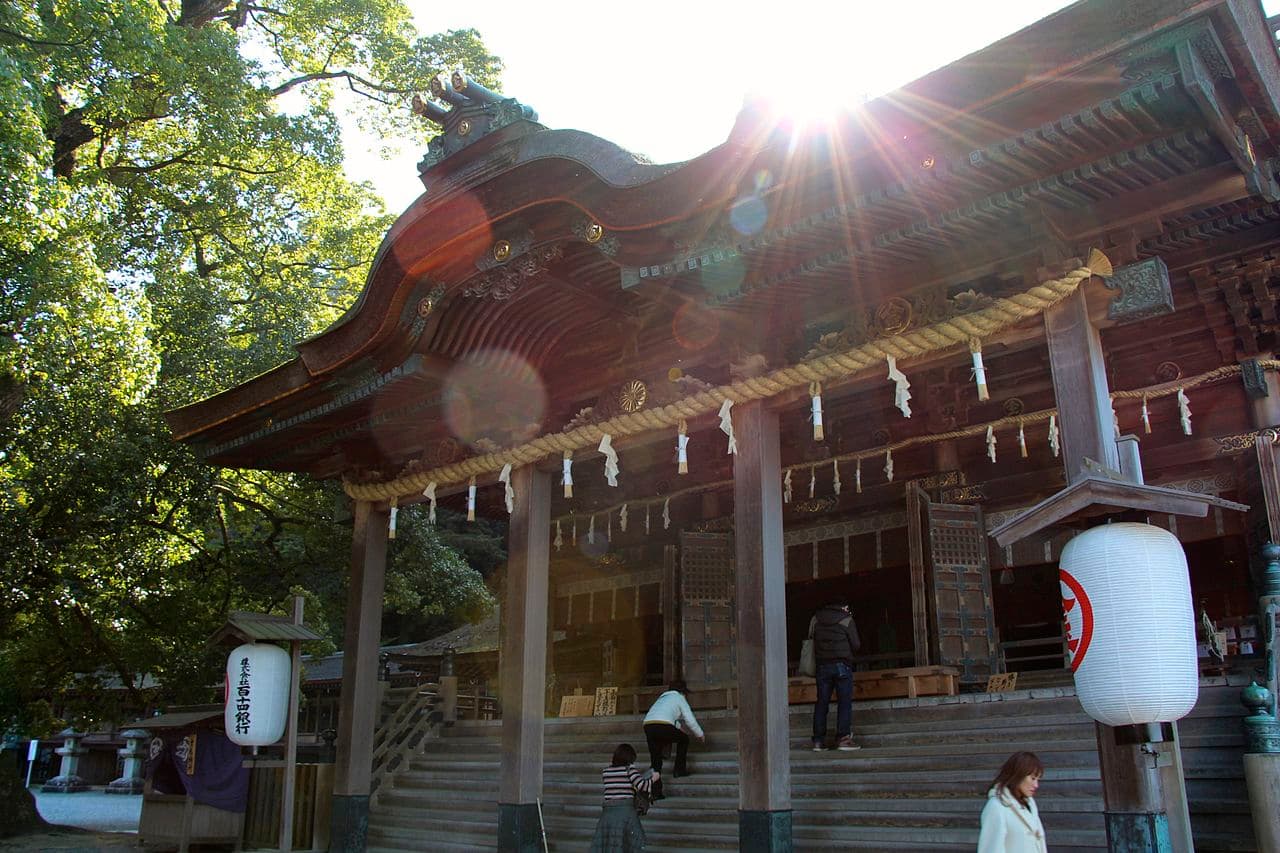
Kotohira-gu Reitaisai 2026
Konpira-san's biggest festival (Oct 9-11, 2026): once a year the mountain deity 'comes down' -- a ~600-strong procession carries the mikoshi 2km through Kotohira by torchlight.
2026年10月9日周五 16:00 JST Across Japan免费
 Official即将举行© senngokujidai4434 · CC BY 2.0
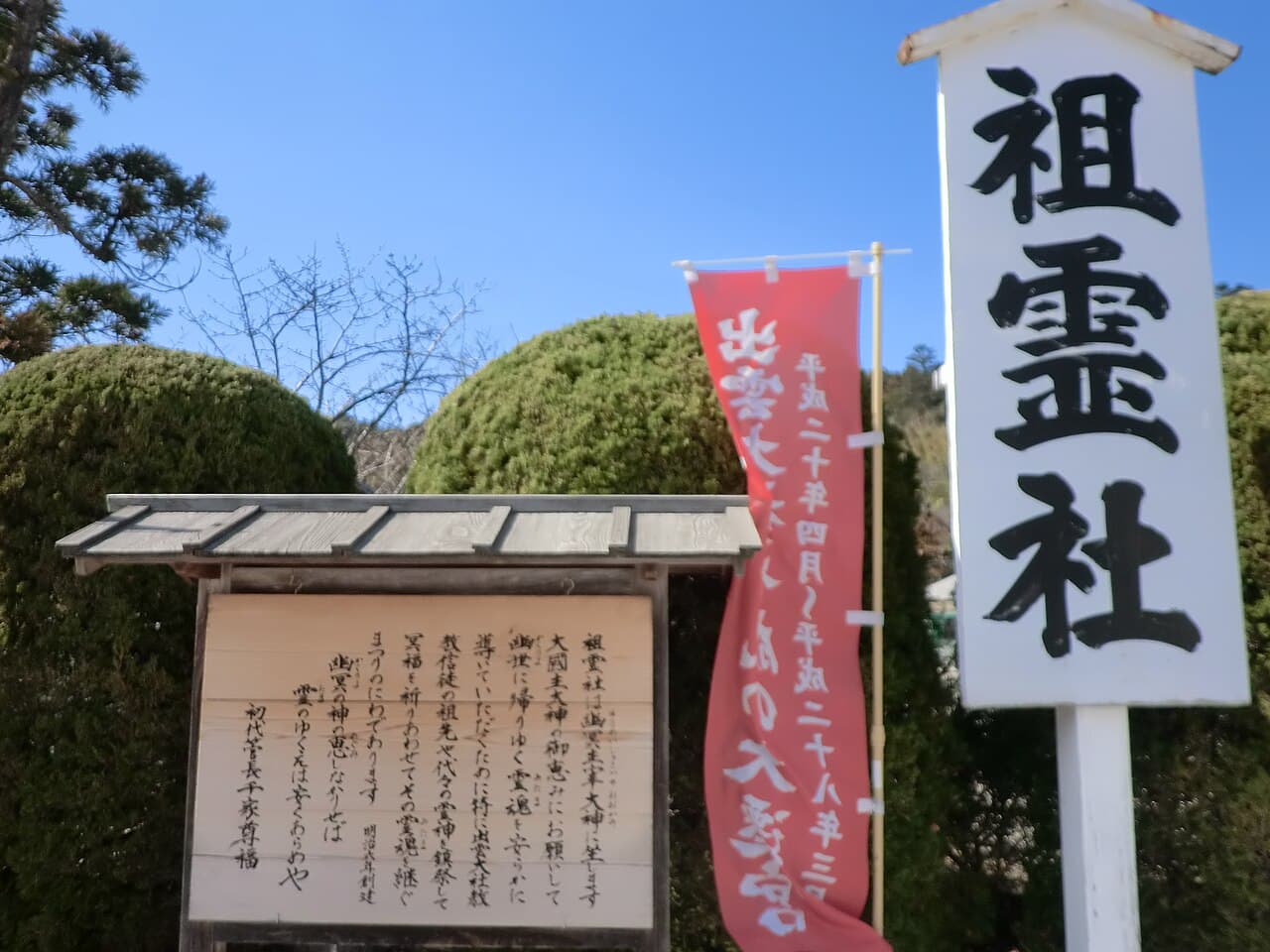
Izumo Taisha Kamiari-sai 2026: Dates, Rites and Times
Izumo Taisha's Kamiari-sai 2026 runs from the Kamimukae welcoming rite at 19:00 on Wednesday, November 18 to the Karasade send-off rite at 16:00 on Wednesday, November 25.
2026年11月18日周三 19:00 JST Across Japan免费