亮点
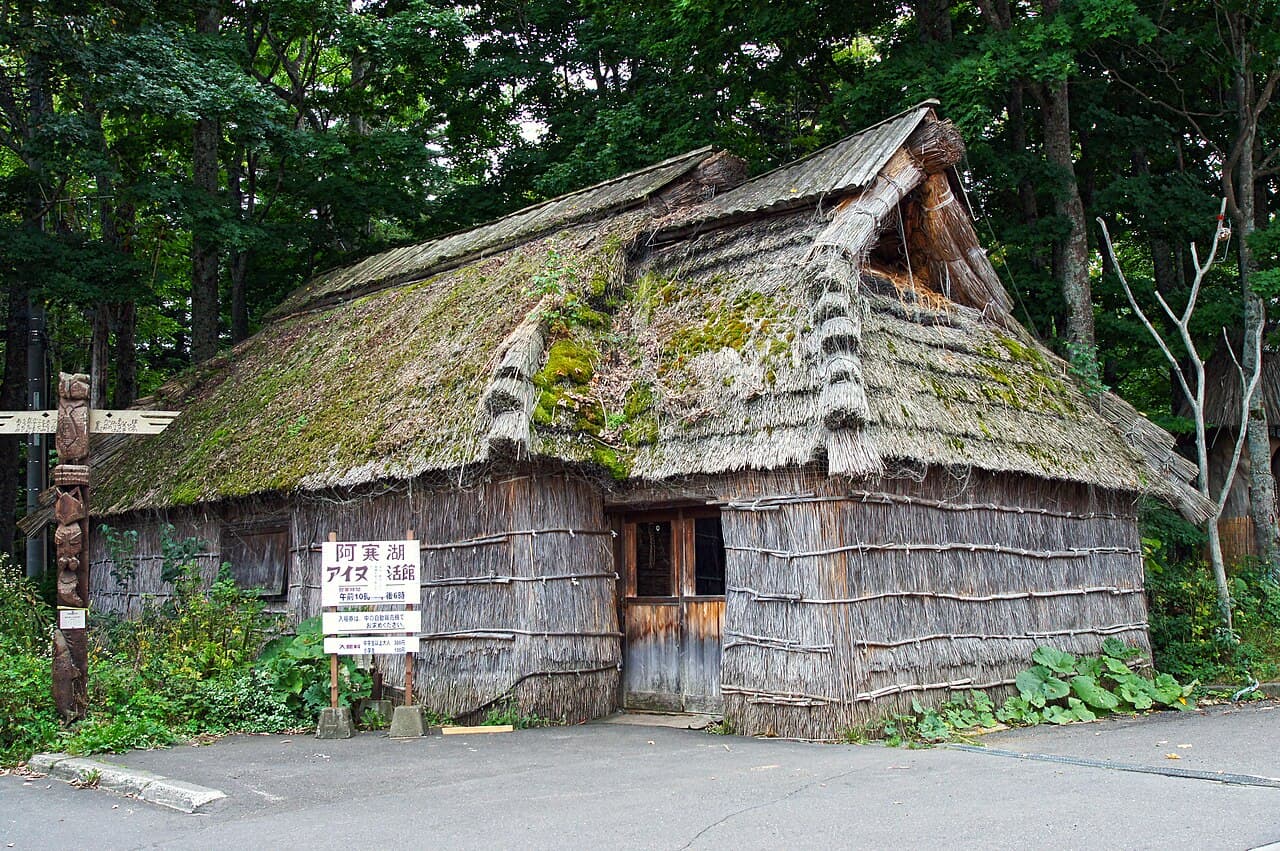
- On the final morning, Ainu elders perform the kamuinomi prayer at the Ainu Kotan before carrying the marimo in procession down to the lakeside park for the marimo-okuri - a ceremonial return of the algae balls to Lake Akan by dugout canoe
- On the second night, a torchlit parade (taimatsu gyoshin) winds from the lakeside park to the Ainu Kotan, followed by a marimo-mukae welcoming rite and a competition of traditional Ainu dances at the Ainu Theatre
- Marimo form dense, free-floating spheres of the alga Aegagropila linnaei; Lake Akan's colonies were designated a national Natural Monument in 1921 and upgraded to Special Natural Monument status in 1952, and the festival has protected them every year since 1950
由来与背景
The Marimo Festival began in 1950 after wartime and postwar over-collection had pushed Lake Akan's marimo colonies to the brink, combining Ainu ceremony with a conservation message. Marimo - dense, free-floating spheres formed by the alga Aegagropila linnaei - grow to their famously large, round form at Lake Akan through a combination of wave action and light; the lake's marimo habitat was designated a national Natural Monument in 1921 and the marimo itself was elevated to Special Natural Monument status in 1952.
Good to know for visitors
- Getting there
- Lake Akan has no train station; the nearest hub is JR Kushiro Station (reached via the Super Ozora limited express from Sapporo, about 4 hours), from which Akan Bus's 'Akan Line' runs to the Akanko Onsen bus centre in roughly 2 hours. From Kushiro Airport, a direct airport bus takes about 60 minutes; Memanbetsu Airport, somewhat further, is another common gateway. The Ainu Kotan and lakeside park venues are within a short walk of each other in Akanko Onsen town. Open directions in Google Maps ↗
- Booking & entry
- Free to attend — details on the official page (button above).
- Language
- Mostly in Japanese — a translation app on your phone helps.
- Good for
- culture seekers
温馨提示
Dress warmly - Hokkaido evenings in October are cold, especially for the lakeside torch parade. The final morning's kamuinomi and marimo-okuri are the most moving parts of the festival and free to observe, so plan to stay through day three rather than just catching the opening evening. Exact 2026 start times had not been published in English as of September 2026 - the official Lake Akan English page still carries the schedule for its 70th edition, several years out of date - so confirm the running order with the Akan Tourism Association (0154-67-3200) before you lock in travel.
常见问题
- When is the Marimo Festival 2026?
- 8–10 October 2026, over three days at Lake Akan in Kushiro, Hokkaido. The closing marimo-okuri ceremony, in which the algae balls are returned to the lake by dugout canoe, takes place on the morning of the third day.
- Is the Marimo Festival free?
- Yes. All the ceremonies, the torchlit parade and the Ainu dance performances are free and open to the public. Only the opening-day marimo lecture and habitat observation tour are limited — around 20 places in past years — and need advance sign-up through the Akan Tourism Association (0154-67-3200).
- How do I get to Lake Akan for the Marimo Festival?
- Lake Akan has no train station. From JR Kushiro Station, Akan Bus's Akan Line reaches the Akanko Onsen bus centre in roughly two hours; from Kushiro Airport a direct airport bus takes about 60 minutes. The Ainu Kotan and the lakeside park venues are a short walk apart within Akanko Onsen town.
- What time does each day of the Marimo Festival run?
- The 2026 times had not been published in English as of September 2026. The official Lake Akan English page still shows the schedule for the festival's 70th edition, several years old: day one's marimo lecture at 10:00 and the observation tour at 13:00, day two's torch parade at 19:45 followed by Ainu dances at 20:30, and the final morning's marimo-okuri at 11:30. Treat those as indicative and confirm the running order with the Akan Tourism Association (0154-67-3200).
- What is marimo?
- Marimo are dense, free-floating green spheres formed by the alga Aegagropila linnaei, which grow to their famously large round shape at Lake Akan through wave action and light. The lake's marimo habitat was designated a national Natural Monument in 1921 and the marimo itself was raised to Special Natural Monument status in 1952.
交通
Akanko Ainu Kotan and the Lake Akan lakeside park (Kohan-Enchi), Kushiro — 4-7-84 Akancho Akankoonsen, Kushiro, Hokkaido 085-0467