Japan in 2026: New Departure Tax, Two-Tier Pricing & Smarter Timing
The headline change: a ¥3,000 departure tax from July 1
Japan's International Tourist Tax (the 'sayonara tax') triples from ¥1,000 to ¥3,000 per person on July 1, 2026, confirmed in the FY2026 tax-reform outline. You won't pay it at the gate — it's bundled automatically into your air or ferry ticket when you leave Japan. It applies to nearly everyone departing (tourists, residents, work/study-visa holders alike); infants under two and qualifying transit passengers (out within 24 hours) are exempt. The government expects it to raise roughly ¥130 billion in FY2026, earmarked for tourism infrastructure and overtourism measures.
Two-tier pricing is spreading
Alongside the tax, 2026 is the year of tourist-vs-local pricing: more temples, attractions and facilities are formally charging non-residents more than locals to fund maintenance and manage crowds. Expect to see it expand at high-traffic sites. It's a modest per-visit difference, but worth budgeting for if you're hitting many paid attractions.
The bigger picture: the boom is plateauing
After years of record growth — fuelled by a weak yen — 2026 arrivals are cooling. Industry forecasts point to a slight year-on-year dip (driven largely by fewer visitors from China), and early-2026 monthly figures showed the first declines in months. For travellers that's good news: marginally less crush at the very busiest spots than the 2024–25 peak, even if Kyoto, Osaka and the Mt. Fuji area still strain at peak times.
How to time a trip around the crowds
- Avoid the domestic-travel walls. Japan's own peak-travel windows — Obon (mid-August), Golden Week (early May) and New Year — pack trains and hotels regardless of inbound numbers. Plan around them.
- Go shoulder, go regional. Early summer and the weeks just before peak autumn foliage are quieter; festivals in Tohoku, Kyushu and Shikoku spread the spectacle far from the Kyoto crush.
- Book the headline events early. Big fireworks and matsuri towns sell out lodging weeks ahead — the date is fixed, so the rooms go first.
What to do with this
None of these changes should deter a trip — the tax is small relative to a flight, and a cooling boom means a slightly easier experience at the icons. Just budget the extra ¥3,000, expect some tiered pricing, and time your dates to dodge Japan's own holiday crushes. The dated picks below are exactly the kind of regional, spread-out events that let you sidestep the worst crowds.
All events
 OfficialPast event© Fisherman · CC BY-SA 3.0
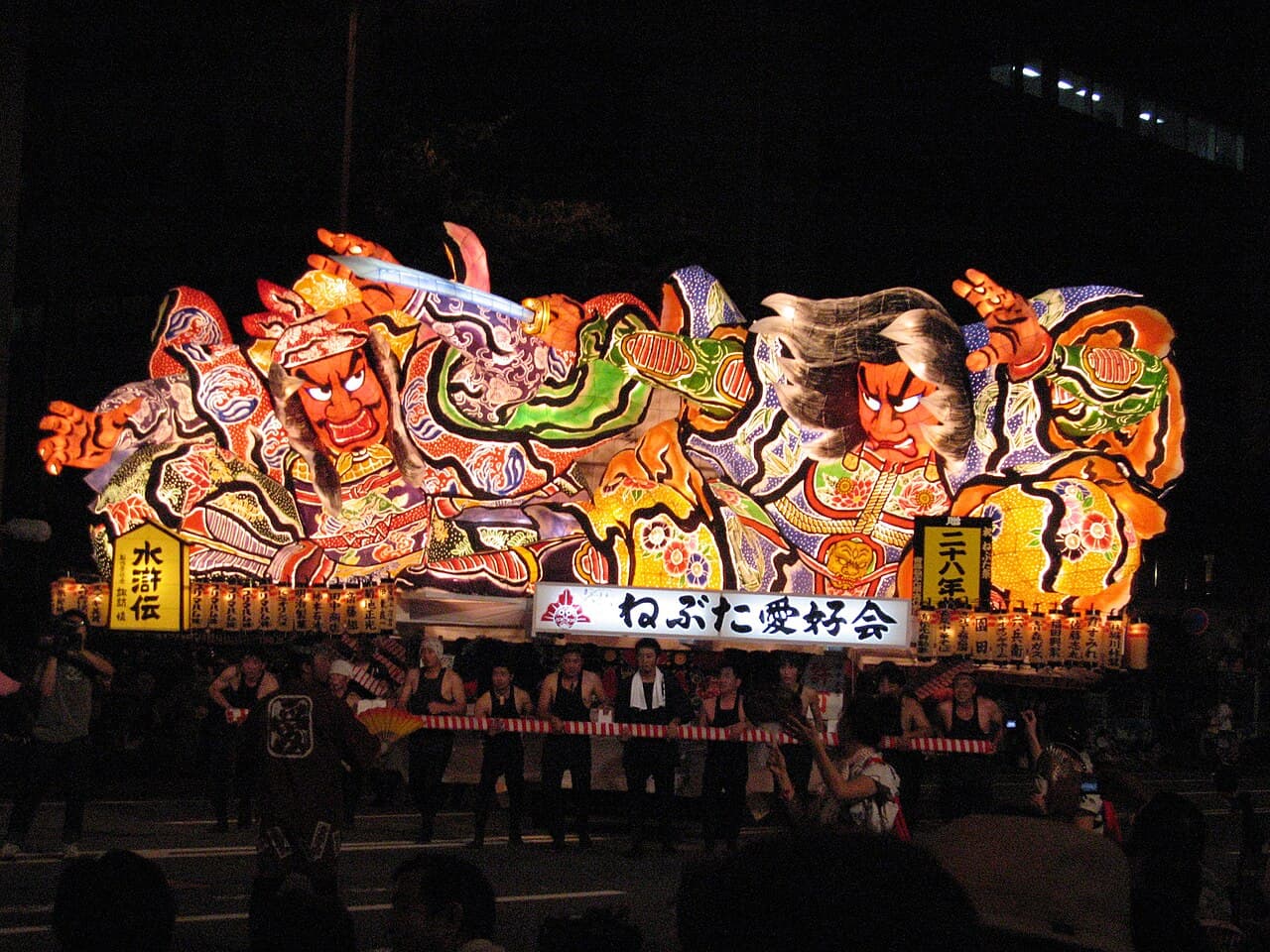
Aomori Nebuta Matsuri
Giant illuminated warrior floats are paraded through Aomori nightly as chanting dancers leap alongside in a blaze of color.
2026/08/02 19:00 Across JapanFree
 OfficialPast event© hildgrim · CC BY-SA 2.0
Akita Kanto Festival 2026
Performers balance towering bamboo poles strung with dozens of glowing lanterns on their palms, foreheads and shoulders.
2026/08/03 18:50 Across JapanFree
 OfficialUpcoming© Marine-Blue · CC BY-SA 3.0
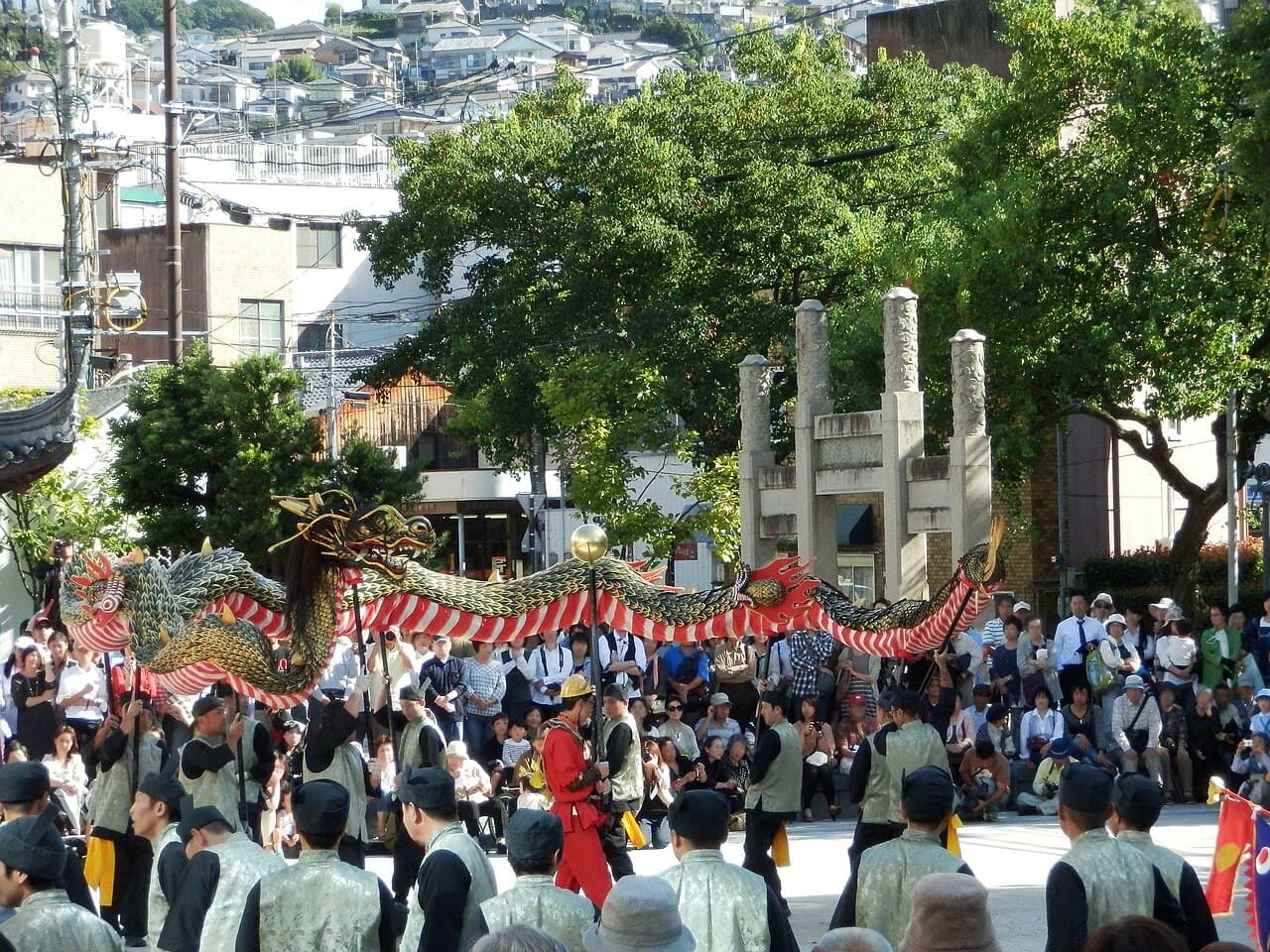
Nagasaki Kunchi Festival
A 380-year-old shrine festival blending Japanese, Chinese and Dutch flair — spinning dragon dances, whirling umbrella floats and roaring 'Motte-koi' chants.
2026/10/07 07:00 FukuokaFree
 OfficialUpcoming© Pekachu · CC BY-SA 4.0
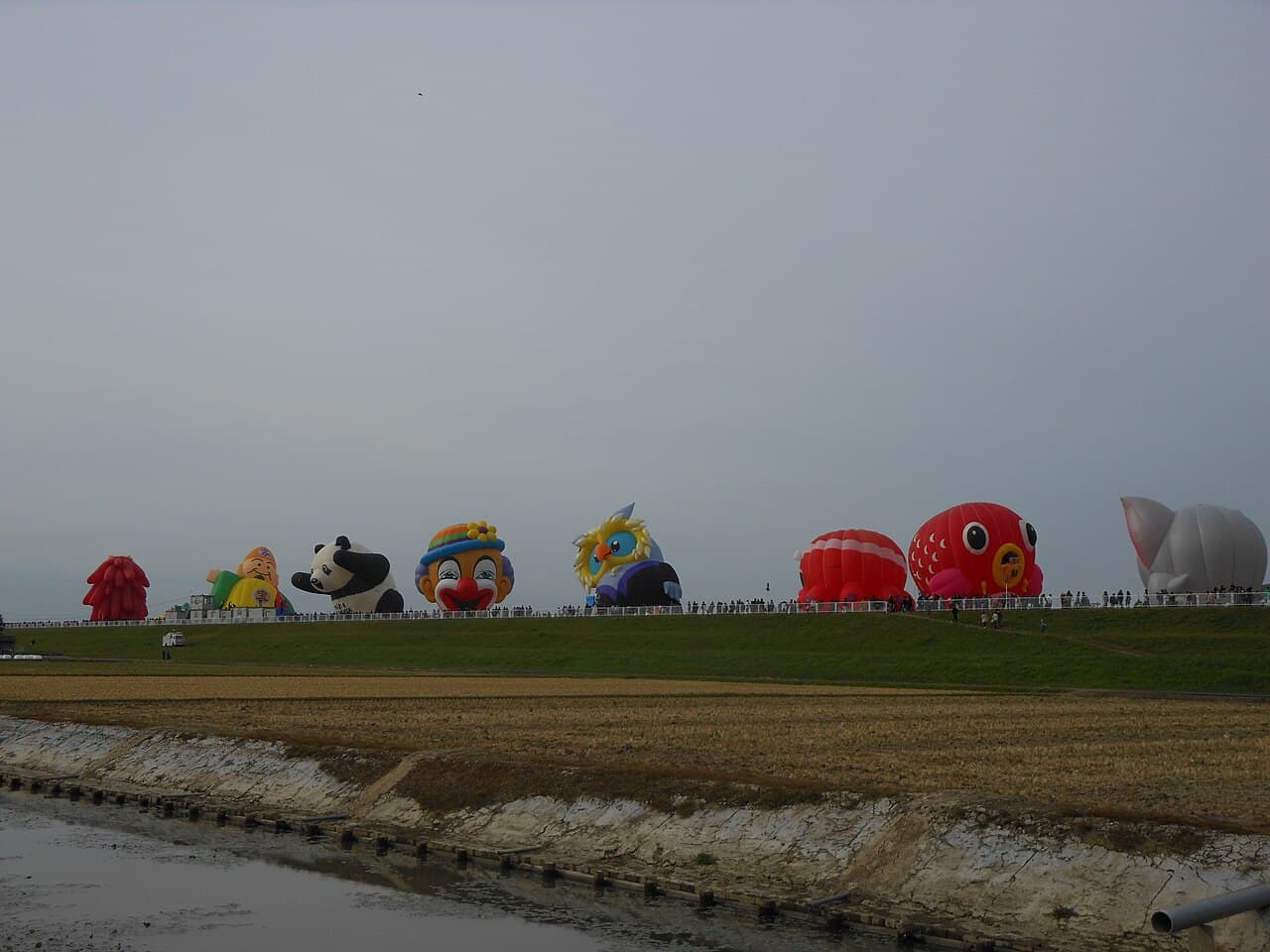
Saga International Balloon Fiesta 2026 | Dates, Venue & Tickets
**The Saga International Balloon Fiesta 2026 runs Oct 30–Nov 3, 2026 on the banks of the Kase River in eastern Saga City, and it's completely free to watch.** Asia's largest sky-sports event fills the Kyushu sky with 100+ hot-air balloons, drawing over 800,000 visitors across five days.
2026/10/30 06:30 FukuokaFree
 OfficialPast event© Midori (Wikimedia user) · CC BY-SA 3.0
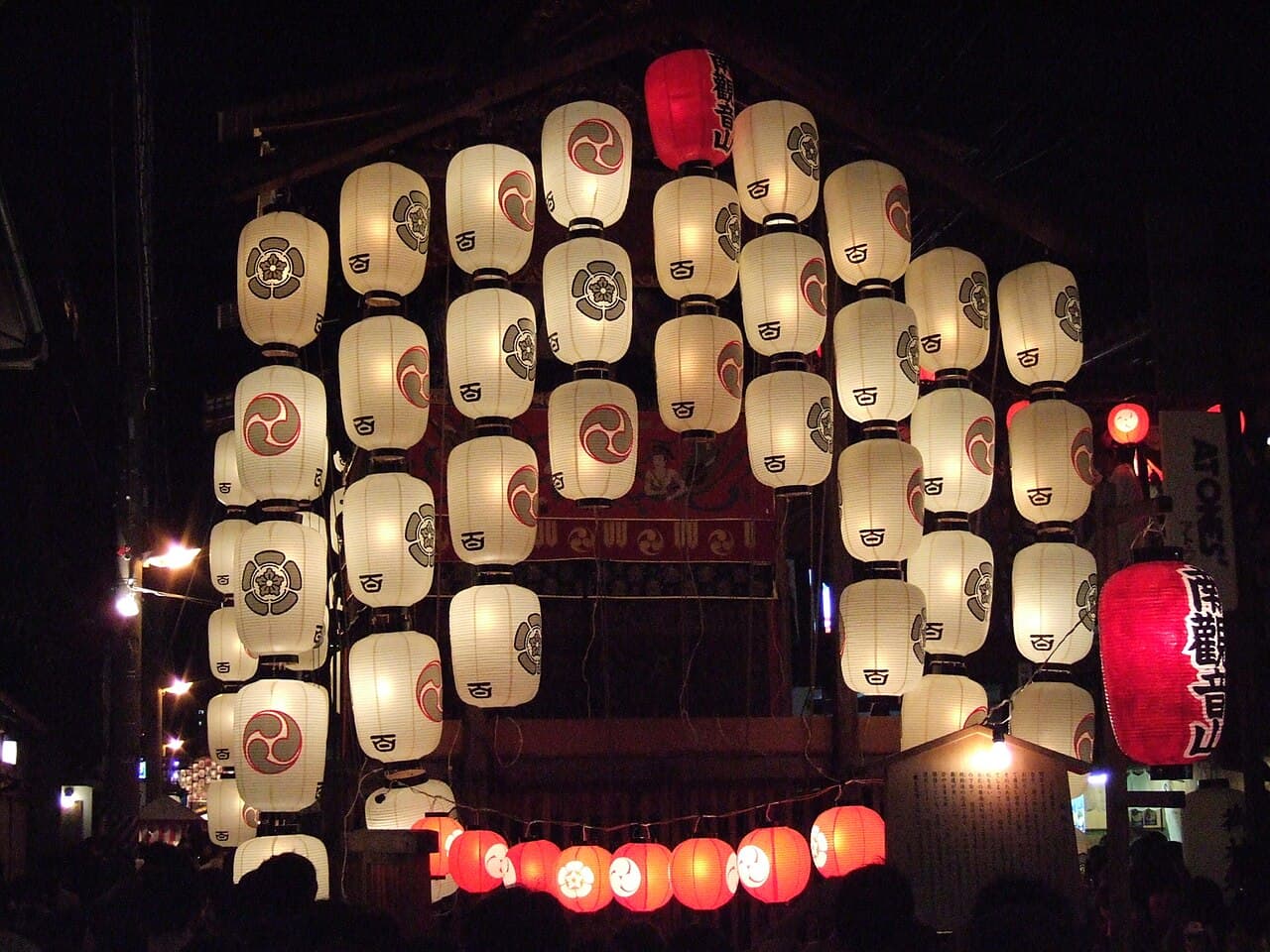
Yosakoi Matsuri 2026 (Kochi)
The original yosakoi: 200+ teams and ~18,000 dancers with naruko clappers thunder through Kochi's streets across four August days.
2026/08/09 17:00 Across JapanFree to watch on the streets; paid reserved (shaded) seats sold for the main venues.
 OfficialOn now© Qiuqizhenghong · CC BY-SA 3.0
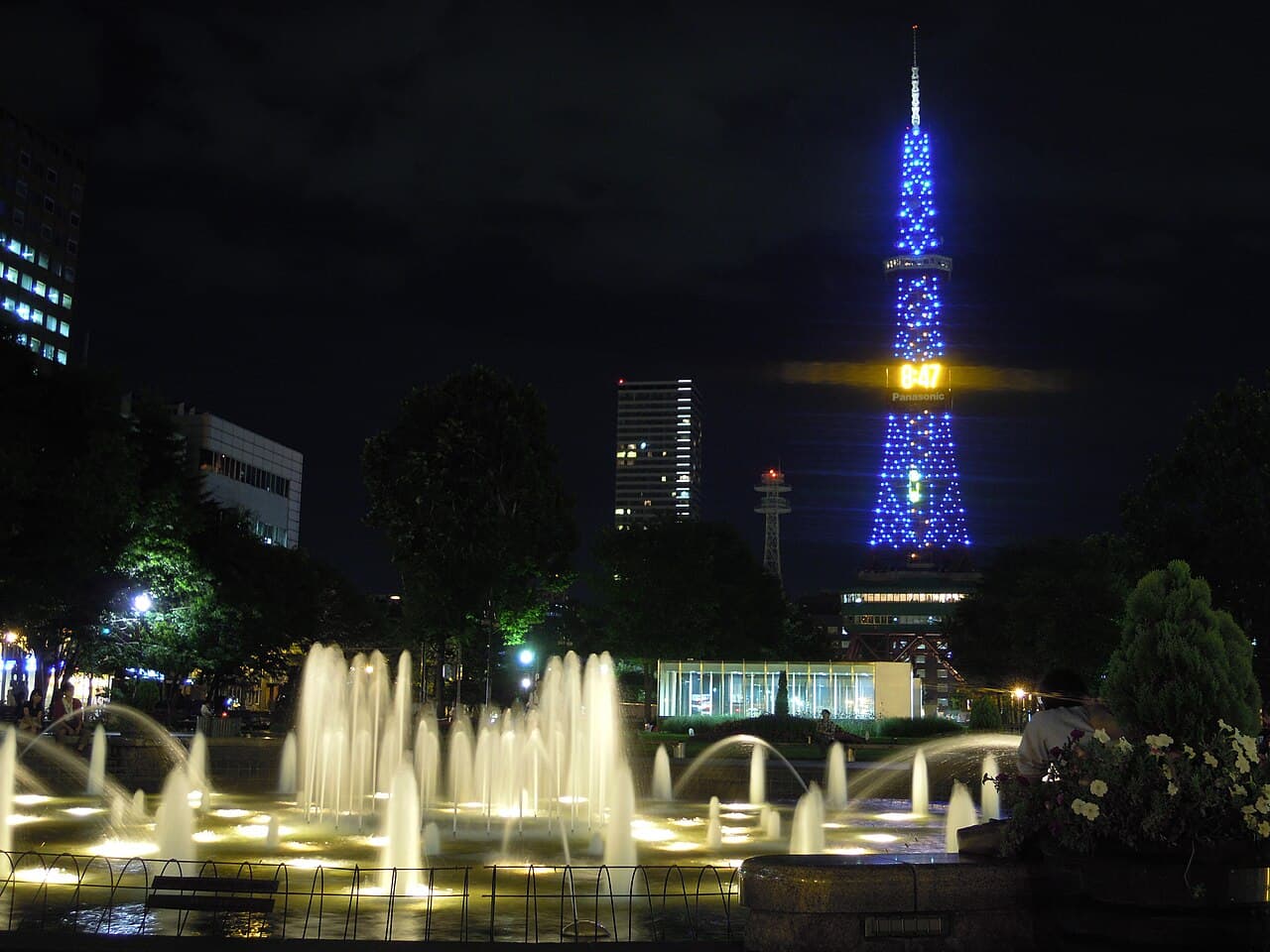
Sapporo Autumn Fest
A three-week harvest food festival in Odori Park celebrating Hokkaido's bounty — fresh seafood, ramen, sweets, wine and local produce.
2026/09/11 10:00 SapporoFree
 OfficialPast event© Cesar I. Martins · CC BY 2.0
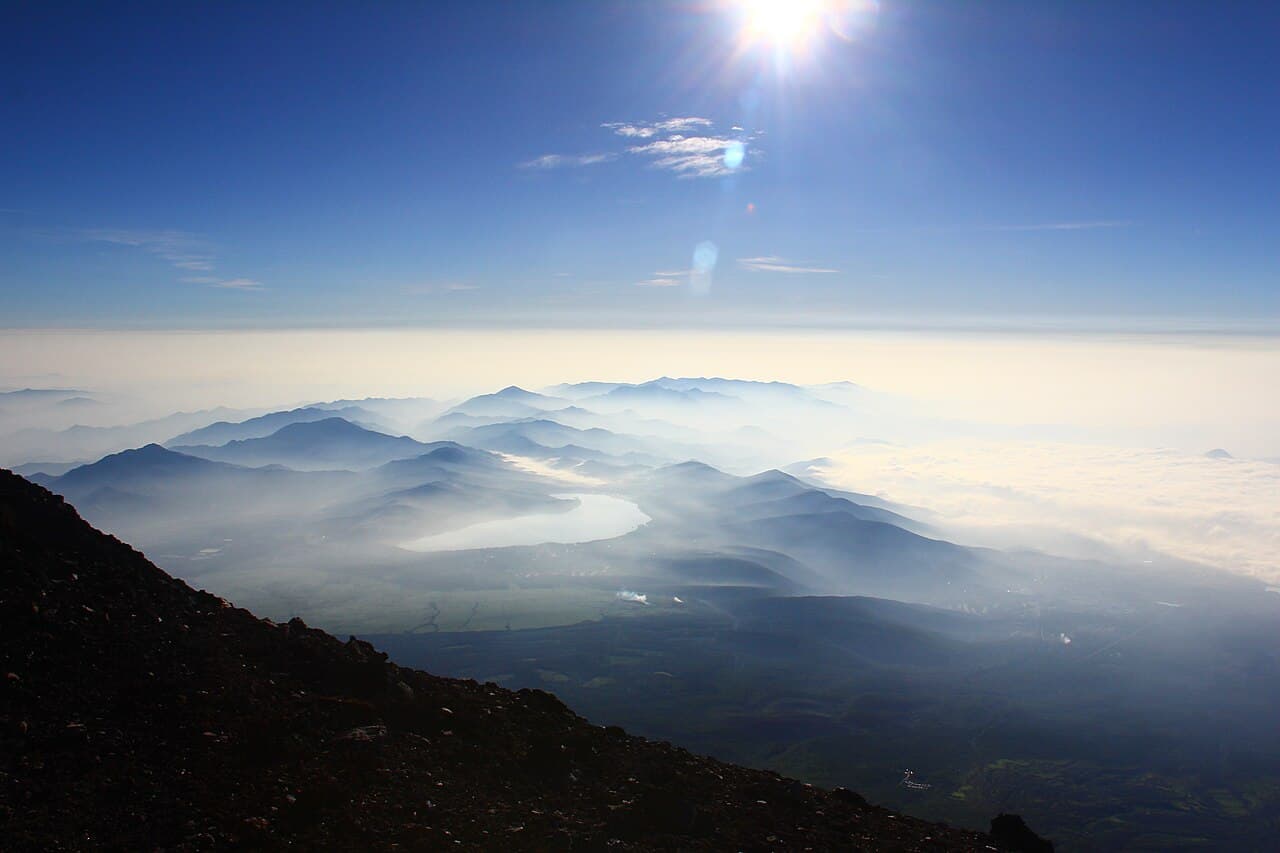
Mount Fuji Climbing 2026 — Dates, ¥4,000 Fee & Reservations by Trail
Mt Fuji 2026: Yoshida & Subashiri open July 1, Fujinomiya & Gotemba July 10 (all close Sept 10). ¥4,000 fee, reservation, and gate rules — every trail.
2026/07/01 Across JapanA trail-entry fee applies (around 2,000-4,000 yen); mountain-hut stays extra