Highlights
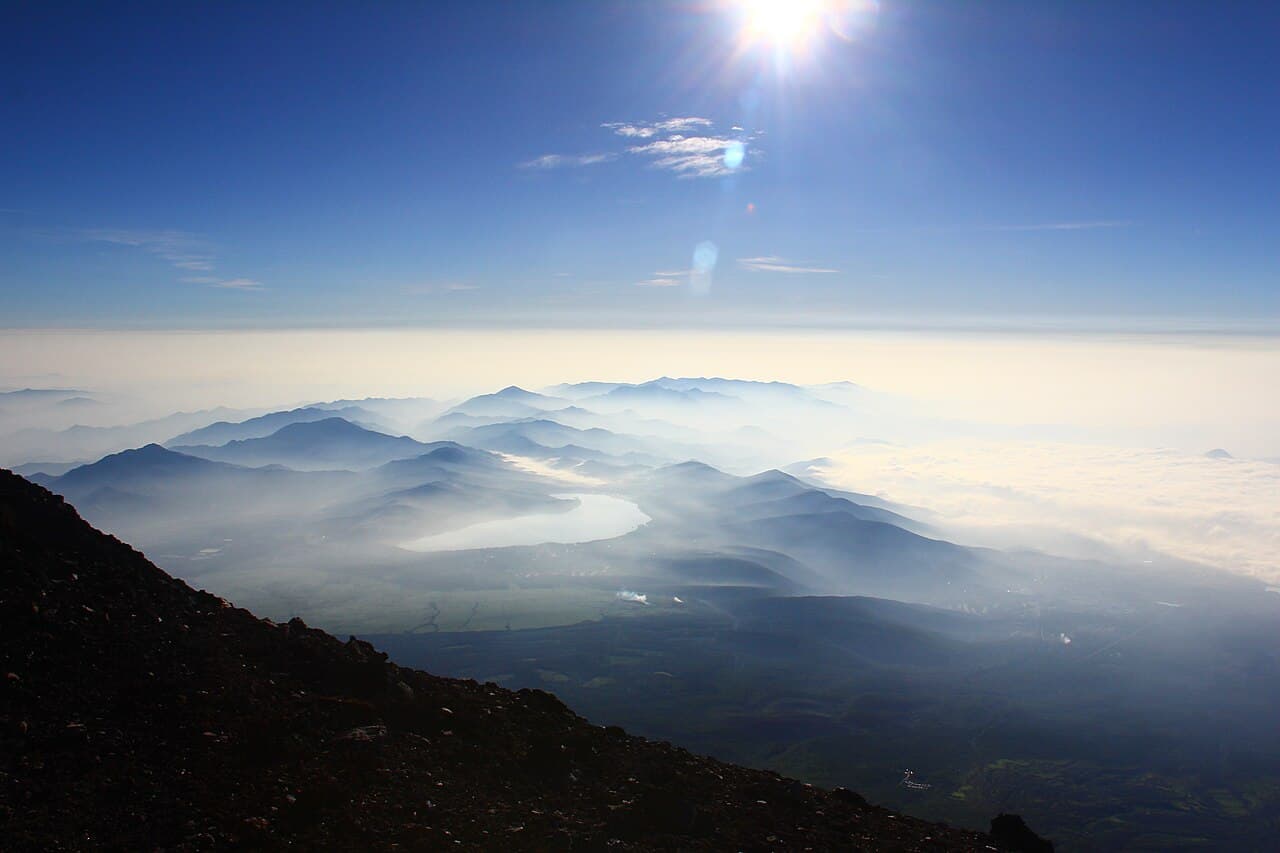
- Sunrise ('Goraiko') from the summit
- Mountain huts to rest and acclimatize
- A bucket-list climb that's beginner-accessible in season
Background & story
A sacred mountain and UNESCO World Heritage Site, Fuji has drawn pilgrims for centuries; the official climbing season runs in summer only.
Mt Fuji's 2026 climbing season opens July 1 on the Yoshida and Subashiri trails and July 10 on the Fujinomiya and Gotemba trails; all four close September 10. Every route now charges a mandatory ¥4,000 entry fee and requires you to register online before you set out. Here's exactly what changed and how to book.
2026 opening dates by trail
| Trail | Prefecture | Opens | Closes |
|---|---|---|---|
| Yoshida | Yamanashi | July 1, 2026 | Sept 10, 2026 |
| Subashiri | Shizuoka | July 1, 2026 (9:00) | Sept 10, 2026 (17:00) |
| Fujinomiya | Shizuoka | July 10, 2026 (9:00, planned) | Sept 10, 2026 (17:00) |
| Gotemba | Shizuoka | July 10, 2026 (9:00, planned) | Sept 10, 2026 (17:00) |
Subashiri normally opens on July 10 alongside Fujinomiya and Gotemba, but for 2026 it has been moved forward to open the same day as Yoshida, July 1. Opening dates can still be pushed back a few days if there's heavy snow or bad weather on the upper mountain, so check fujisan-climb.jp close to your trip date. Outside these windows, the mountain is officially closed to climbing — huts, toilets and first-aid stations are shut, and rescue is far slower.
The ¥4,000 entry fee (every trail, mandatory)
All four trails charge a flat ¥4,000 per person, per climb. This uniform fee took effect in 2025 (up from Yamanashi's original ¥2,000 passage fee introduced in 2024) and continues unchanged for the 2026 season. The money funds trail maintenance, safety patrols, first-aid stations and congestion management. It's separate from any mountain-hut charges.
How to reserve your climb
Yoshida Trail (Yamanashi): Book through the official portal at fujisan-climb.jp — look for the "吉田ルート通行予約" (Yoshida Trail passage reservation) link on the homepage. You can pay in advance online by credit card or PayPay and just scan a QR code at the gate, or pay cash on the day at the 5th Station reception window. Booking ahead is strongly recommended in peak weeks (mid-July through August) since it lets you skip the queue and guarantees a wooden climbing tag (木札) while supplies last.
Subashiri, Fujinomiya & Gotemba (Shizuoka side): These three trails use the Shizuoka Prefecture FUJI NAVI smartphone app. In the app you complete a short mandatory e-learning course on mountain safety (with a quiz), register your planned climbing dates, and pay the ¥4,000 fee to receive a QR-code permit that's exchanged for a wristband at the trailhead. No smartphone or didn't pre-register? You can complete the same steps on paper at the trailhead station, though budget about 30 minutes (longer during peak dates).
Daily cap and gate-closure hours
On the Yoshida Trail, no more than 4,000 climbers per day are allowed past the 5th Station gate (mountain-hut guests are exempt from the count). Across all four trails, the gate is closed nightly from 2:00 PM to 3:00 AM to stop rushed, sleepless overnight ascents — the only way through during those hours is with a confirmed mountain-hut reservation.
Skip "bullet climbing" — book a hut
"Bullet climbing" (弾丸登山), hiking through the night without rest to catch sunrise, is discouraged by both prefectures: gaining altitude too fast sharply raises the risk of altitude sickness and hypothermia near the 3,776 m summit. Build your itinerary around one night at a mountain hut partway up instead — it also happens to be your pass through the 2 PM–3 AM gate closure. Reserve huts directly and early; popular ones on Yoshida sell out weeks ahead in August.
Gear check at the gate
At the Yoshida 5th Station, staff visually check that you're carrying three things before you're waved through: warm/cold-weather layers, separate two-piece rain gear (jacket and pants, not a poncho), and proper trekking shoes. Bring all three regardless of which trail you climb — night temperatures near the summit hover close to freezing even in August.
Getting there
Buses run from Fujisan Station or Kawaguchiko Station up to the Yoshida 5th Station; Shizuoka-side trailheads are reached by bus from Shin-Fuji, Gotemba or Mishima stations, generally via seasonal park-and-ride shuttles once private-car restrictions kick in for the season. Confirm current shuttle timetables on fujisan-climb.jp before you go, since schedules are published closer to opening day.
All dates, fees and rules above are the officially announced 2026-season figures as of July 2026 — always reconfirm on fujisan-climb.jp before you travel, as exact reservation-window opening dates for the Shizuoka trails are finalized closer to July.
Good to know for visitors
- Getting there
- Bus from Fujisan or Kawaguchiko Stn to 5th Station Open directions in Google Maps ↗
- Booking & entry
- Check tickets and details on the official page (button above).
- Paying
- A trail-entry fee applies (around 2,000-4,000 yen); mountain-hut stays extra. Smaller venues in Japan are often cash-first — carry some yen (cards/IC not guaranteed).
- Language
- Mostly in Japanese — a translation app on your phone helps.
- Good for
- groups of friends, solo-goers
Good to know
Reserve a mountain hut in advance, bring warm layers (the summit is near freezing), and check the latest entry rules and reservation system before you go.
Frequently asked questions
- Until when can you climb Mount Fuji in 2026?
- The Yoshida and Subashiri trails are open July 1 – September 10, 2026; the Fujinomiya and Gotemba trails open July 10 and also close September 10.
Getting there
Mount Fuji (Yoshida Trail, Yamanashi) — Mount Fuji 5th Station, Yamanashi/Shizuoka