
Japan in 2026: New Departure Tax, Two-Tier Pricing & Smarter Timing
The headline change: a ¥3,000 departure tax from July 1
Japan's International Tourist Tax (the 'sayonara tax') triples from ¥1,000 to ¥3,000 per person on July 1, 2026, confirmed in the FY2026 tax-reform outline. You won't pay it at the gate — it's bundled automatically into your air or ferry ticket when you leave Japan. It applies to nearly everyone departing (tourists, residents, work/study-visa holders alike); infants under two and qualifying transit passengers (out within 24 hours) are exempt. The government expects it to raise roughly ¥130 billion in FY2026, earmarked for tourism infrastructure and overtourism measures.
Two-tier pricing is spreading
Alongside the tax, 2026 is the year of tourist-vs-local pricing: more temples, attractions and facilities are formally charging non-residents more than locals to fund maintenance and manage crowds. Expect to see it expand at high-traffic sites. It's a modest per-visit difference, but worth budgeting for if you're hitting many paid attractions.
The bigger picture: the boom is plateauing
After years of record growth — fuelled by a weak yen — 2026 arrivals are cooling. Industry forecasts point to a slight year-on-year dip (driven largely by fewer visitors from China), and early-2026 monthly figures showed the first declines in months. For travellers that's good news: marginally less crush at the very busiest spots than the 2024–25 peak, even if Kyoto, Osaka and the Mt. Fuji area still strain at peak times.
How to time a trip around the crowds
- Avoid the domestic-travel walls. Japan's own peak-travel windows — Obon (mid-August), Golden Week (early May) and New Year — pack trains and hotels regardless of inbound numbers. Plan around them.
- Go shoulder, go regional. Early summer and the weeks just before peak autumn foliage are quieter; festivals in Tohoku, Kyushu and Shikoku spread the spectacle far from the Kyoto crush.
- Book the headline events early. Big fireworks and matsuri towns sell out lodging weeks ahead — the date is fixed, so the rooms go first.
What to do with this
None of these changes should deter a trip — the tax is small relative to a flight, and a cooling boom means a slightly easier experience at the icons. Just budget the extra ¥3,000, expect some tiered pricing, and time your dates to dodge Japan's own holiday crushes. The dated picks below are exactly the kind of regional, spread-out events that let you sidestep the worst crowds.
Todos los eventos
 Official
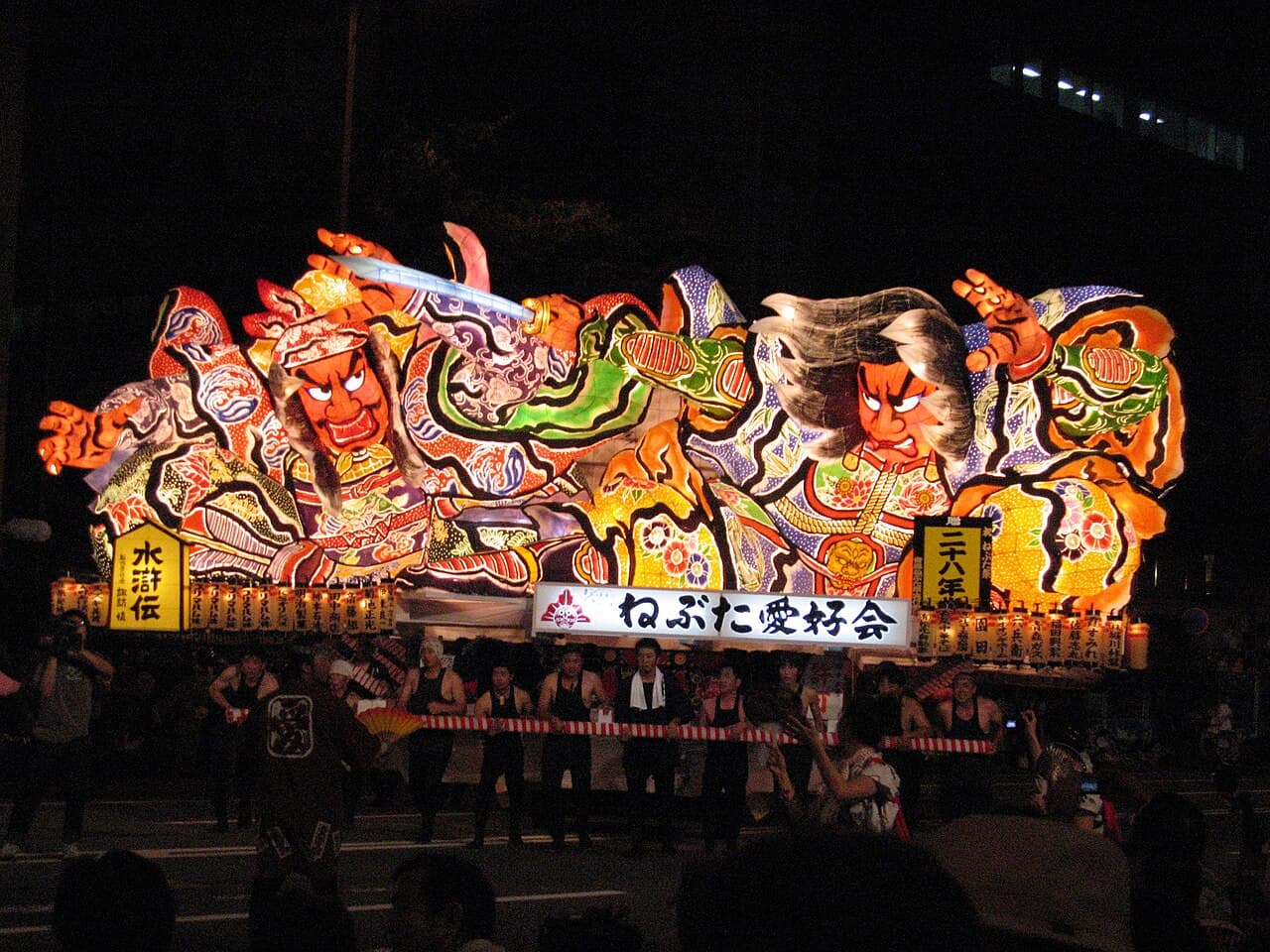
Aomori Nebuta Matsuri
Giant illuminated warrior floats are paraded through Aomori nightly as chanting dancers leap alongside in a blaze of color.
2026/08/02 10:00 Por todo JapónGratis
© Fisherman · CC BY-SA 3.0Akita Kanto Festival 2026
Performers balance towering bamboo poles strung with dozens of glowing lanterns on their palms, foreheads and shoulders.
2026/08/03 09:50 Por todo JapónGratis
© 川井ぼん · GoogleNagasaki Kunchi Festival
A 380-year-old shrine festival blending Japanese, Chinese and Dutch flair — spinning dragon dances, whirling umbrella floats and roaring 'Motte-koi' chants.
2026/10/06 22:00 FukuokaGratis
© M's Factory · GoogleSaga International Balloon Fiesta
Asia's largest hot-air-balloon meet floods the autumn sky over the Kase River with 100+ balloons, dawn mass ascensions and glowing nighttime 'La Montgolfier Nocturne'.
2026/10/29 21:30 FukuokaGratis
© Ataru 1 · GoogleYosakoi Matsuri 2026 (Kochi)
The original yosakoi: 200+ teams and ~18,000 dancers with naruko clappers thunder through Kochi's streets across four August days.
2026/08/09 08:00 Por todo JapónFree to watch on the streets; paid reserved (shaded) seats sold for the main venues.
© lontongstroong · GoogleSapporo Autumn Fest
A three-week harvest food festival in Odori Park celebrating Hokkaido's bounty — fresh seafood, ramen, sweets, wine and local produce.
2026/09/11 01:00 SapporoGratis
© Brandon Hung · Google