Sumo for First-Timers: What to Expect, Timeline & Etiquette
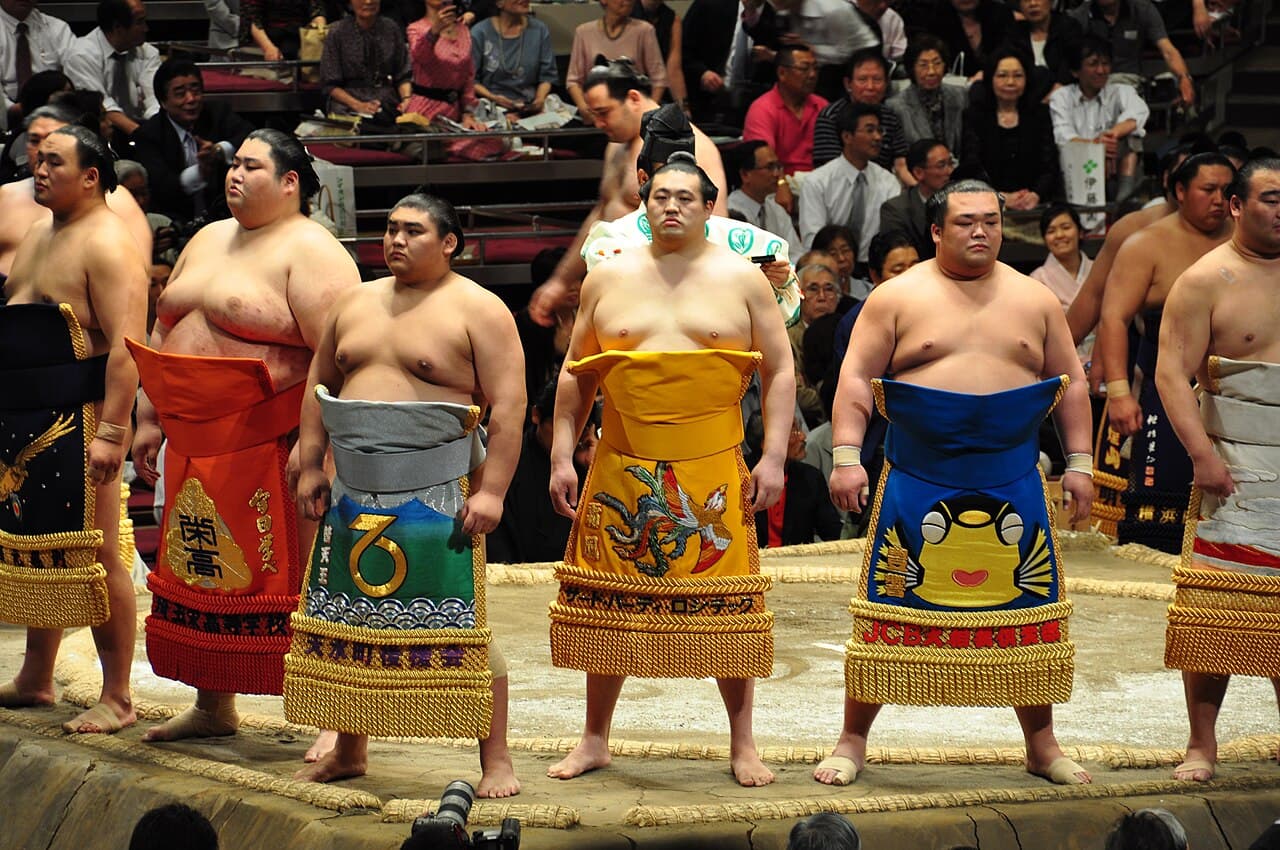
To see the best sumo, arrive around 14:00–15:00. A grand sumo tournament runs all day, but the drama builds toward the top: makuuchi (top-division) wrestlers perform their ring-entering ceremony (dohyo-iri) around 15:45, the marquee bouts run from ~16:00, the yokozuna face off near 17:30, and the day closes with the bow-twirling ceremony (yumitori-shiki) around 18:00–18:15. Come mid-afternoon, keep your seat cushion on your seat, and you will catch every big moment.
Each of the six annual tournaments (honbasho) lasts 15 days, Sunday to Sunday. For exact 2027 dates and venues — from Tokyo's Hatsu Basho (Jan 10–24, 2027) to Nagoya's brand-new IG Arena — see our Grand Sumo 2027 schedule & tickets guide.
A day at the tournament: the timeline
Doors open early and the lower ranks wrestle to a near-empty hall; the crowd and the energy arrive with the top divisions. Here is the approximate rhythm of a tournament day (days 13–15 shift about 30 minutes earlier):
| Time (approx.) | What's happening |
|---|---|
| ~8:00 | Gates open |
| ~8:30 | Lower-division bouts begin |
| ~14:15 | Juryo (2nd division) ring-entering ceremony |
| ~14:40 | Juryo bouts |
| ~15:45 | Makuuchi (top division) dohyo-iri |
| ~16:00 | Top-division bouts begin |
| ~17:30 | Yokozuna / final bouts |
| ~18:00–18:15 | Yumitori-shiki (bow-twirling), day ends |
The takeaway: if you only have a few hours, arrive by 14:00–15:00. You'll settle in, watch the juryo, and be in your seat for the full top-division card. It always ends by around 18:00.
What you'll see
Sumo is as much ritual as sport, and the ceremonies are half the magic:
- Dohyo-iri (ring-entering ceremony) — wrestlers process onto the raised clay ring (dohyo) in ornate embroidered aprons (kesho-mawashi), clap, and raise their hands to show they carry no weapons.
- The bouts — each match is brief (often seconds) but preceded by minutes of salt-throwing, stamping, and psychological stare-downs. Watch for the salt tossed to purify the ring.
- Yokozuna dohyo-iri — if a grand champion is competing, his solo ring-entering ceremony, with a thick white rope (tsuna) around his waist, is a highlight around the top-division entrance.
- Yumitori-shiki (bow-twirling) — a lower-ranked wrestler spins a bow in a graceful closing ritual. Don't leave early and miss it.
Etiquette: the unwritten (and written) rules
Sumo crowds are relaxed and welcoming, but a few rules matter:
- Don't throw your zabuton (seat cushion). After a big upset you'll sometimes see cushions fly — but this is officially discouraged and prohibited for safety. Keep yours on your seat.
- Photos are usually fine for personal use. Skip disruptive flash and tripods.
- Travel light. Large bags are discouraged; coin lockers are available at venues (verify per venue). Ryogoku Kokugikan is about a 2-minute walk from JR Ryogoku Station's West Exit, so you can drop bags at the station too.
- Respect the ceremony. Applause is welcome; wait for natural breaks rather than shouting through the ritual salt-throwing.
Food: chanko-nabe and ekiben
Chanko-nabe, the protein-rich hotpot that wrestlers eat to build their frames, is the signature sumo food. It's sold at some venues — including the basement of Ryogoku Kokugikan — and at many restaurants around Ryogoku, several run by former wrestlers. If you have a masu-seki (tatami box seat), you're allowed to eat and drink, so bringing an ekiben (station bento) or ordering venue food is part of the fun. Chair seats (isu-seki) are the cheapest and most accessible, but come with less room to feast.
Practical tips
- Arrive around 14:00, be seated by 15:00, and you'll see the entire top division.
- The day ends by ~18:00 — plan dinner and transport accordingly.
- Book ahead for popular days. Tokyo weekends and final days sell out; buy early via the official English site. Our how to buy sumo tickets guide walks through every option, including same-day box-office tickets.
- Seat choice shapes your day: ringside tamari-seki is closest (16+, no food/drink), masu boxes suit groups who want to eat, isu-seki chairs are the easy budget option.
- New venue in 2027: the Nagoya tournament moves to IG Arena (opened July 2025), reached via Meijo-koen Station Exit 4.
FAQ
What time should I arrive to see the top wrestlers? Arrive around 14:00–15:00. The top-division ring-entering ceremony is about 15:45 and the marquee bouts run from ~16:00 to ~18:00.
How long does a sumo tournament day last? Gates open around 8:00 and the day ends by about 18:00–18:15 with the bow-twirling ceremony. Most visitors come for the afternoon top-division bouts.
Can I eat during the matches? Yes, if you have a masu-seki (tatami box) you can eat and drink, and ekiben bentos are popular. Chanko-nabe hotpot is sold at some venues, including the basement of Ryogoku Kokugikan.
Is it OK to throw my seat cushion after an upset? No. Throwing your zabuton is officially discouraged and prohibited for safety. Keep it on your seat.
Can I take photos? Personal photos are usually fine. Avoid disruptive flash and tripods, and skip large bags (coin lockers are available at venues, as of July 2026).
Which seat should a first-timer choose? Chair seats (isu-seki) are the cheapest and most accessible; masu boxes suit groups who want to eat; ringside tamari-seki is closest but for ages 16+ with no food or drink.
Do I need to stay all day? No. Arrive by 14:00–15:00 for the top division and you'll catch the ring-entering ceremony, the best bouts, and the closing yumitori-shiki by about 18:00.
---
Curious what the salt-throwing, foot-stomping and hand-clapping actually mean? See our explainer: Why do sumo wrestlers throw salt? Sumo's rituals explained.
Frequently asked questions
- What time should I arrive to see the top wrestlers?
- Arrive around 14:00–15:00. The top-division ring-entering ceremony is about 15:45 and the marquee bouts run from ~16:00 to ~18:00.
- How long does a sumo tournament day last?
- Gates open around 8:00 and the day ends by about 18:00–18:15 with the yumitori-shiki bow-twirling ceremony. Most visitors come for the afternoon top-division bouts.
- Can I eat during the matches?
- Yes, if you have a masu-seki (tatami box) you can eat and drink, and ekiben bentos are popular. Chanko-nabe hotpot is sold at some venues, including the basement of Ryogoku Kokugikan.
- Is it OK to throw my seat cushion after an upset?
- No. Throwing your zabuton is officially discouraged and prohibited for safety. Keep it on your seat.
- Can I take photos at sumo?
- Personal photos are usually fine. Avoid disruptive flash and tripods, and skip large bags (coin lockers are available at venues, as of July 2026).
- Which seat should a first-timer choose?
- Chair seats (isu-seki) are the cheapest and most accessible; masu boxes suit groups who want to eat; ringside tamari-seki is closest but for ages 16+ with no food or drink.
- Do I need to stay all day?
- No. Arrive by 14:00–15:00 for the top division and you'll catch the ring-entering ceremony, the best bouts, and the closing yumitori-shiki by about 18:00.
All events
 OfficialUpcoming© Creazilla · CC0
Grand Sumo Hatsu Basho 2027 (Tokyo) | Dates, Venue & Tickets
**The Grand Sumo Hatsu Basho 2027 runs January 10–24, 2027 at Ryogoku Kokugikan, Tokyo** — the New Year tournament that opens the sumo calendar. It runs 15 straight days (Sun→Sun); **tickets are required** (buy via the official English site). Arrive by ~14:00–15:00 for the top-division bouts, which always finish by ~18:00.
Sun, Jan 10, 2027 08:00 JST TokyoTickets required (no free entry). Prices vary by day and seat tier; 2027 prices are released with the tournament — confirm on sumo.or.jp. As a rough guide (approximate 2026 prices, as of July 2026): ringside tamari-seki ~¥20,000/person; masu-seki tatami boxes ~¥9,000–15,000/person by tier and day; Western chair seats from ~¥3,500 (tier C, weekday) up to ~¥11,000+ (SS). On-sale is typically 5–8 weeks before — check the official site for the exact 2027 date.
 OfficialUpcoming© No machine-readable author provided. Peter 111 assumed (based on copyright claim · CC BY-SA 3.0
Grand Sumo Haru Basho 2027 (Osaka) | Dates, Venue & Tickets
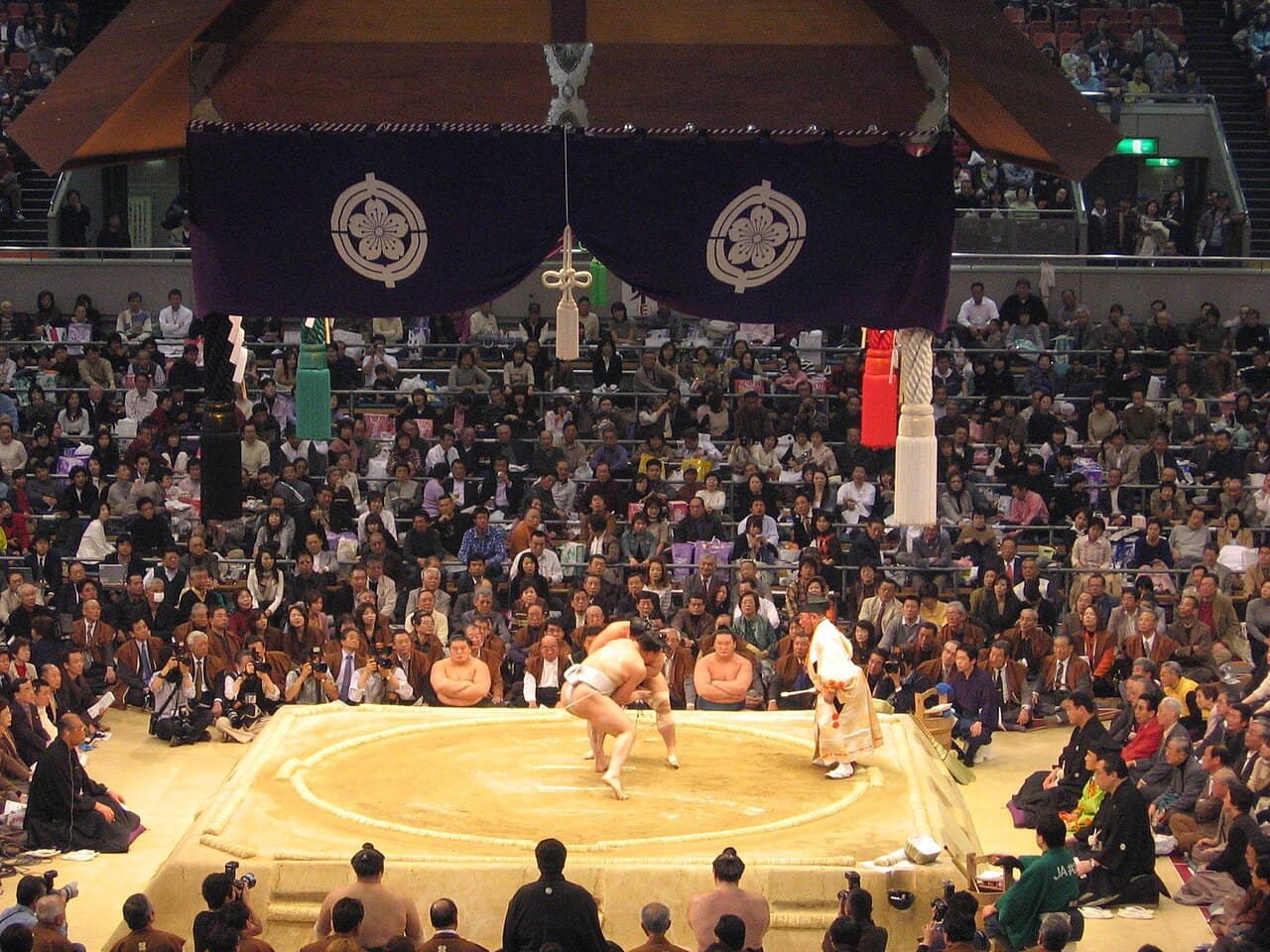
**The 2027 Grand Sumo Haru Basho (Spring Tournament) runs March 14–28, 2027 at EDION Arena Osaka (Osaka Prefectural Gymnasium), about a 5-minute walk from Namba.** It is the only one of the six annual tournaments held in Osaka — 15 straight days of top-division sumo, Sunday to Sunday.
Sun, Mar 14, 2027 08:30 JST OsakaApproximate 2026 prices; 2027 prices are released with each tournament — confirm on sumo.or.jp (as of July 2026). Rough per-person ranges: ringside tamari-seki around ¥20,000; masu-seki tatami boxes around ¥9,000–15,000 by tier and day; Western chair seats from about ¥3,500 (tier C, weekday) up to ¥11,000+ (SS). A limited number of same-day chair seats (tojitsu-ken) are sold at the box office each morning, first-come, if seats remain.