亮点
- Held on the first Sunday of April every year; 2027 is expected to be Sunday 4 April (not yet announced as of 11 Oct 2026)
- 2026 timetable (official poster): Sat 4 April daikon-shaving rite 14:00 and eve festival 17:00; Sun 5 April Ohitori rite 10:00, main festival 10:15, mikoshi spirit-enshrining rite 10:45, mikoshi procession 11:30-14:00; market and mikoshi display 11-12 April
- In 2026 four mikoshi associated with Kanayama Shrine paraded through the Daishi district, resting at the Kawasaki Ōen Matsuri (9:30-16:30) in Daishi Park Ryokuin Hiroba (official poster and Kawasaki Ward map)
- Origin: Edo-period prayers for protection from disease by the women of the Kawasaki post town, at a shrine of the blacksmiths' deity (per Kawasaki City)
由来与背景
According to Kawasaki City, Kanayama Shrine originally enshrined the deity of blacksmiths. In the Edo period the women working at the inns of Kawasaki-shuku on the Tokaido prayed here for protection from disease, and the festival grew from those prayers, likened to the renewal of plants in spring. Today it is associated with fertility and marriage and with protection from AIDS and other sexually transmitted diseases, and it draws many visitors from overseas.
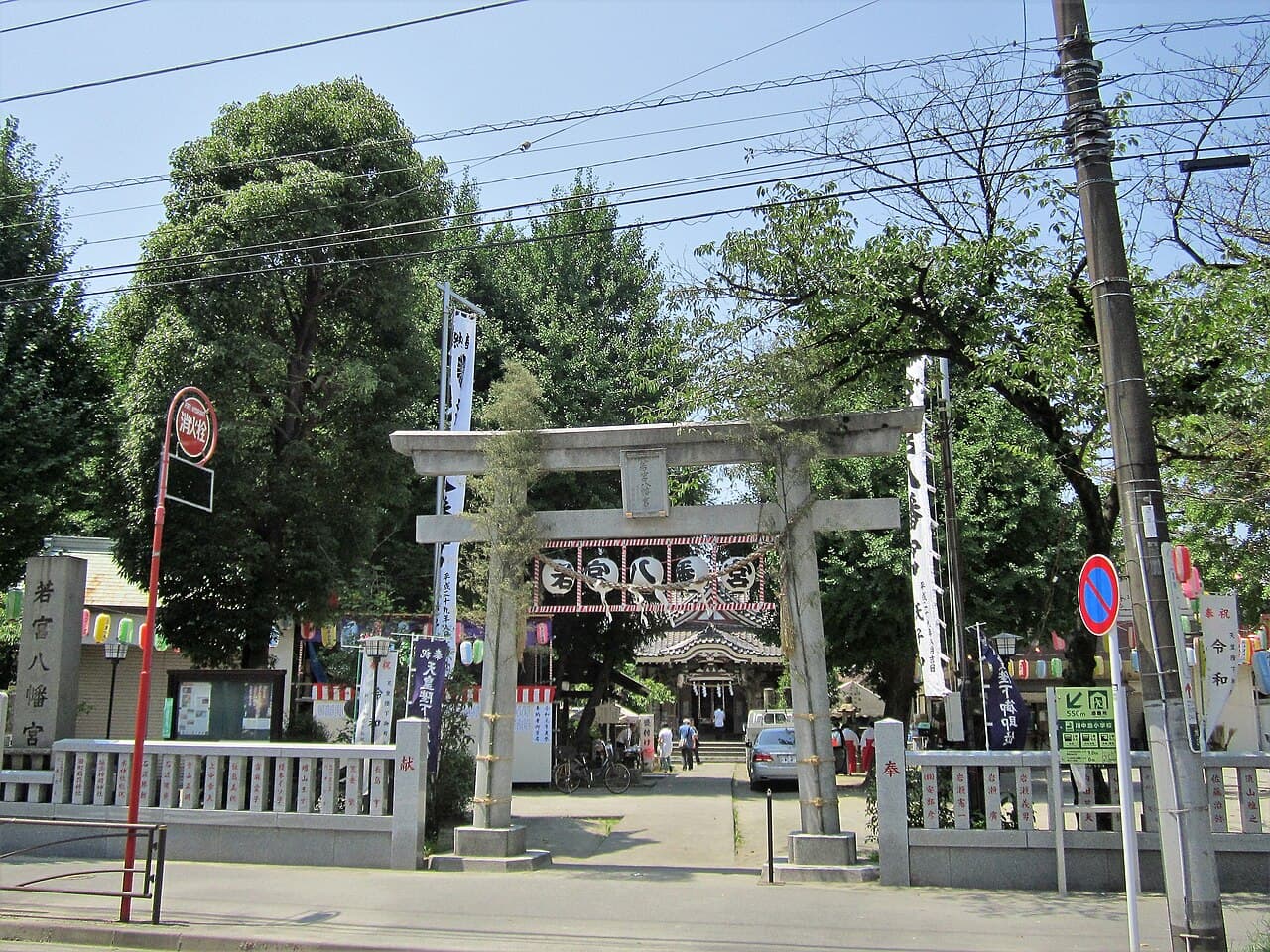
Kanamara Matsuri 2027 at Kanayama Shrine (inside Wakamiya Hachimangu, Kawasaki) is expected on the first Sunday of April, which is Sunday, 4 April 2027. As of 11 October 2026 the shrine has not published 2027 dates; the previous edition ran Saturday 4 April 2026 (eve festival) and Sunday 5 April 2026 (main festival and mikoshi procession). The shrine is a 1-2 minute walk from Kawasaki-Daishi Station on the Keikyu Daishi Line, and there is no ticket to enter the grounds. Dates and times are announced on the shrine's official X account (@kanayamajinja).
At a glance
| Item | Detail |
|---|---|
| Festival | Kanamara Matsuri, the annual festival of Kanayama Shrine (a sub-shrine of Wakamiya Hachimangu) |
| 2027 dates | Not yet announced (checked 2026-10-11). By the usual rule, "first Sunday of April" = Sunday 4 April 2027 |
| Previous edition (2026) | Sat 4 April: daikon-shaving rite from 14:00 and eve festival from 17:00 / Sun 5 April: Ohitori rite from 10:00, main festival, mikoshi spirit-enshrining rite and mikoshi procession 11:30-14:00 |
| Venue | Wakamiya Hachimangu / Kanayama Shrine, 2-13-16 Daishi-ekimae, Kawasaki-ku, Kawasaki, Kanagawa |
| Access | 1-2 minutes on foot from Kawasaki-Daishi Station (Keikyu Daishi Line; change at Keikyu Kawasaki); Rinko Bus route Kawa 23 for Daishi from stop 7, JR Kawasaki Station East Exit |
| Admission | No ticket to enter the grounds |
| Contact | Wakamiya Hachimangu, tel. 044-222-3206 |
| Official information | Shrine's official X @kanayamajinja / Kawasaki City, Kawasaki Ward traditional events |
When will the 2027 date be fixed? (First Sunday of April = 4 April expected)
The shrine's official X profile states "Kanamara Matsuri: the first Sunday of April every year", and Kawasaki City's Kawasaki Ward page describes it as "the festival of Kanayama Shrine held on the first Sunday of April" (both checked 2026-10-11). Because 1 April 2027 is a Thursday, the first Sunday is 4 April 2027. The 2027 announcement has not been made yet. In 2026 the shrine posted the schedule on its X account on 12 March, about three weeks before the festival. Confirm the final dates on the official account before booking flights or hotels.
How the previous edition (2026) was structured: two days plus a market the following weekend
According to the shrine's official X post of 12 March 2026 and the official poster attached to that post (timetable and mikoshi route), the 2026 (Reiwa 8) festival ran as follows (checked 2026-10-11).
| Date and time (2026) | Programme |
|---|---|
| Sat 4 April, 14:00-15:30 | Daikon-shaving rite (daikon-kezuri; "Shave the Radish" on the poster) |
| Sat 4 April, 17:00-18:00 | Eve festival (yoimiya-sai) |
| Sun 5 April, 10:00-10:15 | Ohitori rite (sacred fire) |
| Sun 5 April, 10:15-10:45 | Main festival (reisai) |
| Sun 5 April, 10:45-11:00 | Mikoshi mitama-ire (enshrining the deity's spirit in the mikoshi) |
| Sun 5 April, 11:30-14:00 | Mikoshi procession (togyo), with masked parade |
| Sun 5 April, 9:30-16:30 | Kawasaki Ōen Matsuri (桜縁祭) at Daishi Park Ryokuin Hiroba: mikoshi rest point, stalls (candy) and street performers |
| Sat 11 - Sun 12 April, 10:00-17:00 | Kanamara Matsuri market and mikoshi display (stalls and photo spots) |
The mikoshi route was: leave Wakamiya Hachimangu at 11:30, along Omotesando (outbound 12:00), arrive at Daishi Park Ryokuin Hiroba at 12:30 and leave at 13:00, back along Omotesando (13:30), and return to the shrine at 14:00.
So the event is not just the main Sunday: it runs for nine days, from the daikon-shaving rite on 4 April to the mikoshi display on 12 April (the poster also lists a separate "Mizutori no Matsuri" on Sunday 19 April, 10:00-17:00). The shrine also announced that the festival's famous candy would go on early sale at the Daishi Park rest point on the Sunday. Times for 2027 will appear in that year's announcement poster.
The mikoshi: watching is open, carrying is by registration
The shrine's official 2026 poster says that "four mikoshi associated with Kanayama Shrine" parade through the Daishi district, and the Kawasaki Ward map issued in March 2026 likewise says four mikoshi are carried, so four mikoshi took part in 2026 (an older Kawasaki City sheet from 2016 mentions three, so the number has changed over the years). On participation, the shrine's 2026 post is explicit: "the mikoshi procession is by advance registration for each mikoshi association; walk-in and individual participation on the day are not accepted." Watching from the grounds and the roadside is free for everyone, but anyone who wants to carry must register in advance through an association, and in 2026 registration was closed after reaching capacity.
Origins: the blacksmiths' deity and the women of the Kawasaki post town
Kawasaki City's treasure sheet (10-8 Kanamara Matsuri) explains the origin as follows. Kanayama Shrine originally enshrined the deity of blacksmiths. In the Edo period the meshimori-onna, women who worked at the inns of Kawasaki-shuku on the Tokaido highway, prayed here for protection from disease, and the festival is said to have begun from those prayers: as plants sprout again in spring, they prayed for the renewal of their own bodies. Today the festival is associated with fertility and marriage and, in the city's words, with "protection from AIDS and other sexually transmitted diseases". International media coverage has made it popular with overseas visitors, and the Kawasaki City Tourist Association notes that "many foreign visitors also come". The atmosphere is open and good-humoured, but it remains a Shinto rite on shrine grounds.
Access and the surrounding area
- By train: Kawasaki-Daishi Station on the Keikyu Daishi Line. Kawasaki City gives the walk as 1 minute; the Kawasaki City Tourist Association and the 2026 official poster say 2 minutes from the south exit. Change to the Daishi Line at Keikyu Kawasaki Station (check Keikyu's timetable for journey times).
- By bus: the 2026 official poster also lists Rinko Bus route Kawa 23 (bound for Daishi) from stop 7 at the JR Kawasaki Station East Exit.
- Combine with Kawasaki Daishi: Kawasaki Daishi (Heikenji) temple is within walking distance of the shrine, and its 900th-anniversary grand festival is scheduled for May 2027, so spring 2027 is a good time to explore the Daishi area → Kawasaki Daishi (Heikenji) guide
- Local history room: Wakamiya Hachimangu has a local history room, but the Kawasaki City Tourist Association's page says it is "currently closed" (checked 2026-10-11).
- Daishi Park: used as the mikoshi rest point in 2026; in years when the festival coincides with the cherry blossoms it is busy with hanami visitors too.
Tips for visiting
- Confirm the date on the official X account. In 2026 it was announced on 12 March, about three weeks before the festival, so start checking in early March 2027.
- The main day is Sunday, morning to afternoon. In 2026 the Ohitori rite began at 10:00, the main festival at 10:15, the mikoshi left the shrine at 11:30, reached Daishi Park at 12:30 and returned at 14:00. On the Saturday the daikon-shaving rite began at 14:00 and the eve festival at 17:00. Check the 2027 announcement for that year's times.
- No drones, and smoking only in designated areas. The 2026 official poster states that drone photography is prohibited on the shrine grounds and the festival venue, and that smoking is prohibited except in designated places.
- To carry a mikoshi you must register in advance through a mikoshi association. Individuals cannot join on the day.
- Shrine manners: this is a working shrine. Keep your distance and your voice down during the rites → How to visit a Shinto shrine (MICHI), and for charms and seals see the omamori guide (MICHI).
- Build it into a spring itinerary: the first weekend of April often coincides with peak cherry blossom around Tokyo, and in 2026 the Kawasaki Ōen Matsuri (桜縁祭) was held the same day in Daishi Park → Cherry blossom 2027 planning guide. For festivals outside Tokyo see the regional matsuri guide.
FAQ
Q. When is Kanamara Matsuri 2027?
As of 11 October 2026 the shrine has not announced 2027 dates. Both the shrine's official X account and Kawasaki City state that the festival is held on the first Sunday of April every year, which in 2027 is Sunday, 4 April. In 2026 the eve festival was Saturday 4 April and the main festival with the mikoshi procession was Sunday 5 April. Confirm on the shrine's official X account before booking.
Q. Where is it held and how do I get there?
At Kanayama Shrine, a sub-shrine inside Wakamiya Hachimangu at 2-13-16 Daishi-ekimae, Kawasaki-ku, Kawasaki. It is a 1-2 minute walk from Kawasaki-Daishi Station on the Keikyu Daishi Line (Kawasaki City says 1 minute; the Kawasaki City Tourist Association says 2 minutes from the south exit). Kawasaki Daishi temple is also within walking distance.
Q. Is there an entrance fee?
There is no ticket to enter the shrine grounds and watch. The shrine's 2026 announcement lists no admission charge; food stalls and the festival's famous candy are paid separately. Check the official X account for any paid programmes.
Q. Can visitors carry the mikoshi?
No. According to the shrine's official X account in 2026, the mikoshi procession is by advance registration through mikoshi associations only; walk-in and individual participation are not accepted. Watching is open to everyone.
Q. What is the origin of the festival?
According to Kawasaki City, Kanayama Shrine originally enshrined the deity of blacksmiths. In the Edo period the meshimori-onna (women working at the inns of the Kawasaki post town on the Tokaido) prayed here for protection from disease, and the festival grew from that. Today it is associated with fertility, marriage and, as the city notes, protection from AIDS and other sexually transmitted diseases, and it draws many visitors from overseas.
Sources (checked 2026-10-11)
- Wakamiya Hachimangu / Kanayama Shrine official X: profile / 2026 schedule post, 12 March 2026 / procession by advance registration, 12 March 2026
- Kawasaki City: Kawasaki Ward traditional events / Treasures of Kawasaki Ward sheet 10-8 (PDF) / Kawasaki Ward map, March 2026 (PDF)
- Kawasaki City Tourist Association: Wakamiya Hachimangu
Update log: 2026-10-11 first published (2027 dates unannounced; provisional date based on the first-Sunday-of-April rule).
Good to know for visitors
- Getting there
- 1-2 minutes on foot from Kawasaki-Daishi Station, Keikyu Daishi Line (Kawasaki City: 1 min; Kawasaki City Tourist Association and the 2026 official poster: 2 min from the south exit); change to the Daishi Line at Keikyu Kawasaki. By bus: Rinko Bus route Kawa 23 for Daishi from stop 7, JR Kawasaki Station East Exit (2026 official poster) Open directions in Google Maps ↗
- Booking & entry
- Free to attend — details on the official page (button above).
- Language
- Mostly in Japanese — a translation app on your phone helps.
- Good for
- culture seekers, groups of friends
温馨提示
2027 dates were unannounced as of 11 October 2026. The shrine's official X account and Kawasaki City both state 'first Sunday of April every year', which is 4 April 2027 (the times shown are provisional, based on the 2026 main day). The 2026 edition was announced on X on 12 March; the official poster's timetable was: Sat 4 April daikon-shaving rite 14:00-15:30 and eve festival 17:00-18:00; Sun 5 April Ohitori rite 10:00-10:15, main festival 10:15-10:45, mikoshi spirit-enshrining rite 10:45-11:00, mikoshi procession 11:30-14:00 (leave shrine 11:30, Omotesando 12:00, Daishi Park Ryokuin Hiroba 12:30-13:00, Omotesando 13:30, return 14:00); Sat-Sun 11-12 April 10:00-17:00 market and mikoshi display. Carrying the mikoshi is by advance registration through mikoshi associations only; individuals cannot join on the day. Drone photography is prohibited on the grounds and at the venue, and smoking is allowed only in designated places. The shrine is 2 minutes on foot from the south exit of Kawasaki-Daishi Station (change at Keikyu Kawasaki), or take Rinko Bus route Kawa 23 from stop 7 at the JR Kawasaki Station East Exit; Kawasaki Daishi temple is within walking distance. Confirm the final date and the day's timetable on the official X account (@kanayamajinja) before booking.
常见问题
- When is Kanamara Matsuri 2027?
- As of 11 October 2026 the shrine has not announced 2027 dates. Both the shrine's official X account and Kawasaki City state that the festival is held on the first Sunday of April every year, which in 2027 is Sunday, 4 April. In 2026 the eve festival was Saturday 4 April and the main festival with the mikoshi procession was Sunday 5 April. Confirm on the shrine's official X account before booking.
- Where is it held and how do I get there?
- At Kanayama Shrine, a sub-shrine inside Wakamiya Hachimangu at 2-13-16 Daishi-ekimae, Kawasaki-ku, Kawasaki. It is a 1-2 minute walk from Kawasaki-Daishi Station on the Keikyu Daishi Line (Kawasaki City says 1 minute; the Kawasaki City Tourist Association says 2 minutes from the south exit). Kawasaki Daishi temple is also within walking distance.
- Is there an entrance fee?
- There is no ticket to enter the shrine grounds and watch. The shrine's 2026 announcement lists no admission charge; food stalls and the festival's famous candy are paid separately. Check the official X account for any paid programmes.
- Can visitors carry the mikoshi?
- No. According to the shrine's official X account in 2026, the mikoshi procession is by advance registration through mikoshi associations only; walk-in and individual participation are not accepted. Watching is open to everyone.
- What is the origin of the festival?
- According to Kawasaki City, Kanayama Shrine originally enshrined the deity of blacksmiths. In the Edo period the meshimori-onna (women working at the inns of the Kawasaki post town on the Tokaido) prayed here for protection from disease, and the festival grew from that. Today it is associated with fertility, marriage and, as the city notes, protection from AIDS and other sexually transmitted diseases, and it draws many visitors from overseas.
交通
Kanayama Shrine (within Wakamiya Hachimangu) — 2-13-16 Daishi-ekimae, Kawasaki-ku, Kawasaki, Kanagawa 210-0802