Obon 2026: Dates, Crowds & the Festivals Worth Bracing the Rush For
What Obon is
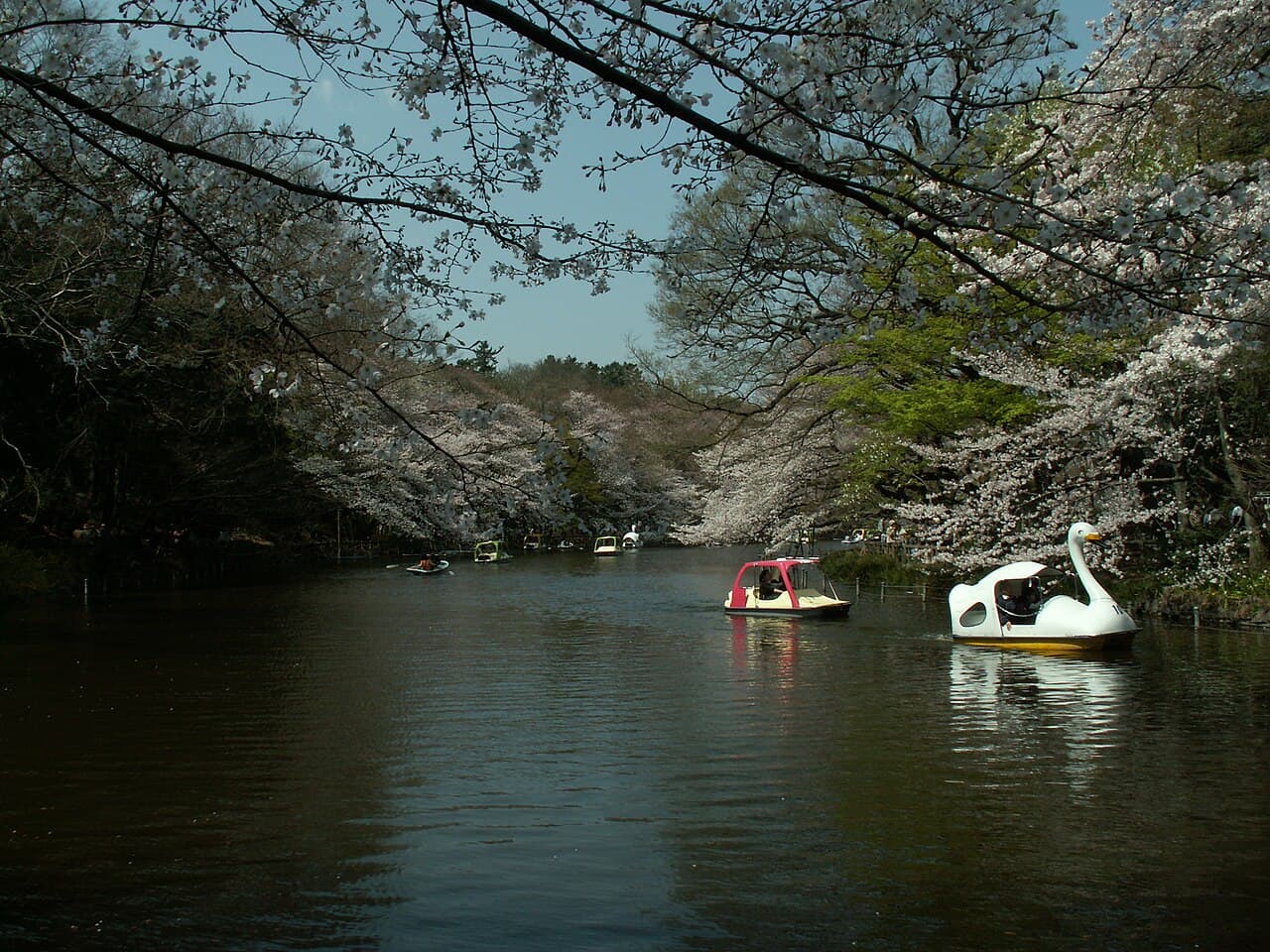
Obon (お盆) is Japan's Buddhist season for welcoming ancestors' spirits home. It's not a public holiday on the national calendar, but in practice it functions like one — most companies grant obon yasumi leave, and the whole country travels for hometown visits and holidays at the same time.
The 2026 dates
- Most of Japan: August 13–16, 2026 (core observance Aug 13–15).
- Tokyo, Yokohama & parts of the north: July 13–16 (they keep the old solar-calendar date).
- Okinawa: lunar calendar, around late August (roughly Aug 26–28 in 2026).
The peak travel rush is expected Aug 8–16: outbound from cities Aug 8 and 11–13, return Aug 15–16.
What gets crowded (plan for it)
- Shinkansen can switch to all-reserved seating; trains sell out — book seats the moment reservations open (30 days ahead).
- Hotels in popular areas sell out entirely and prices surge.
- Expressways see Japan's worst traffic of the year.
If you can, travel against the flow (into cities while everyone leaves), or simply stay put in one base and do day trips.
The festivals that make it worth it
Obon is also when some of Japan's most moving rituals happen:
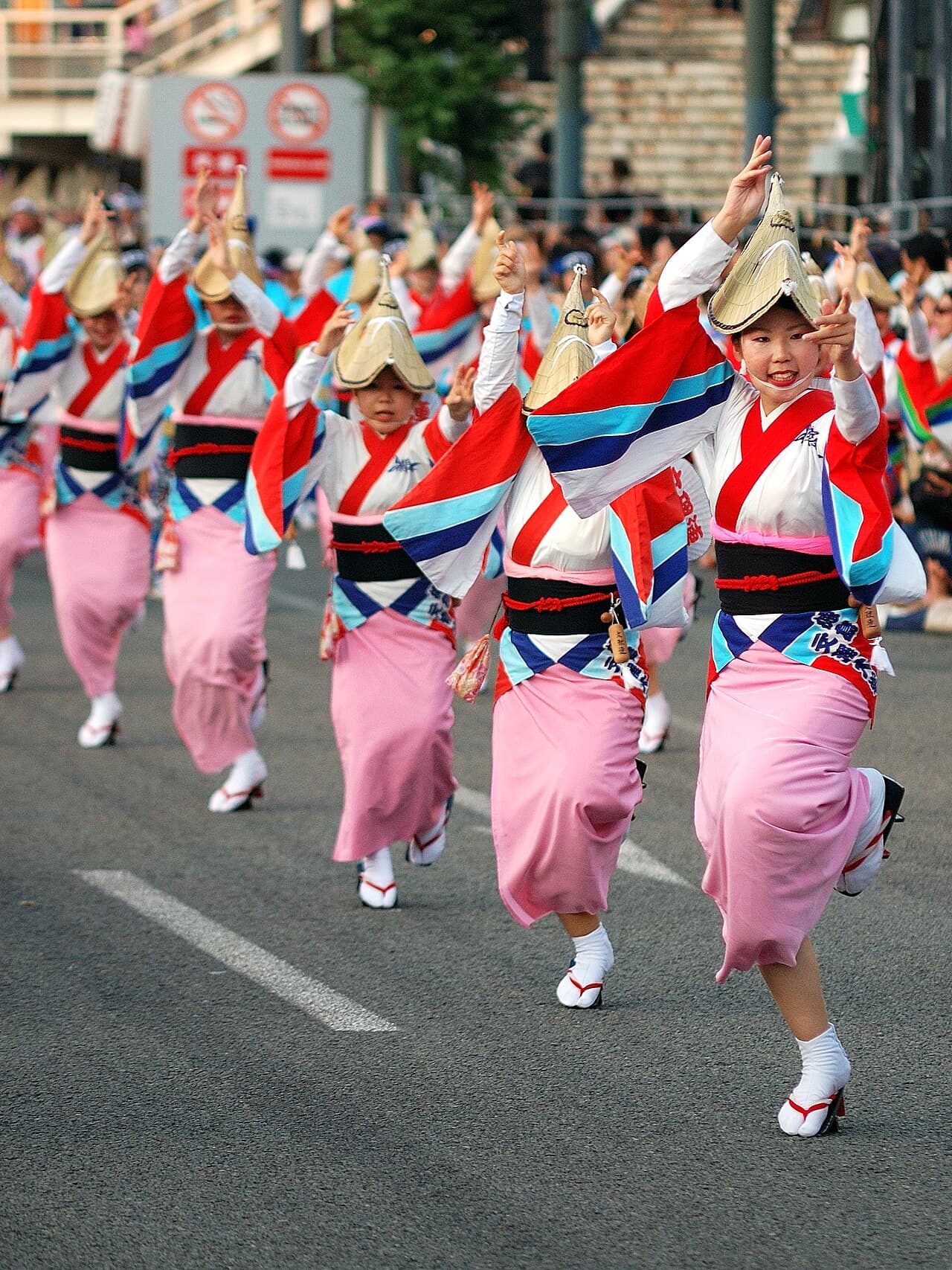
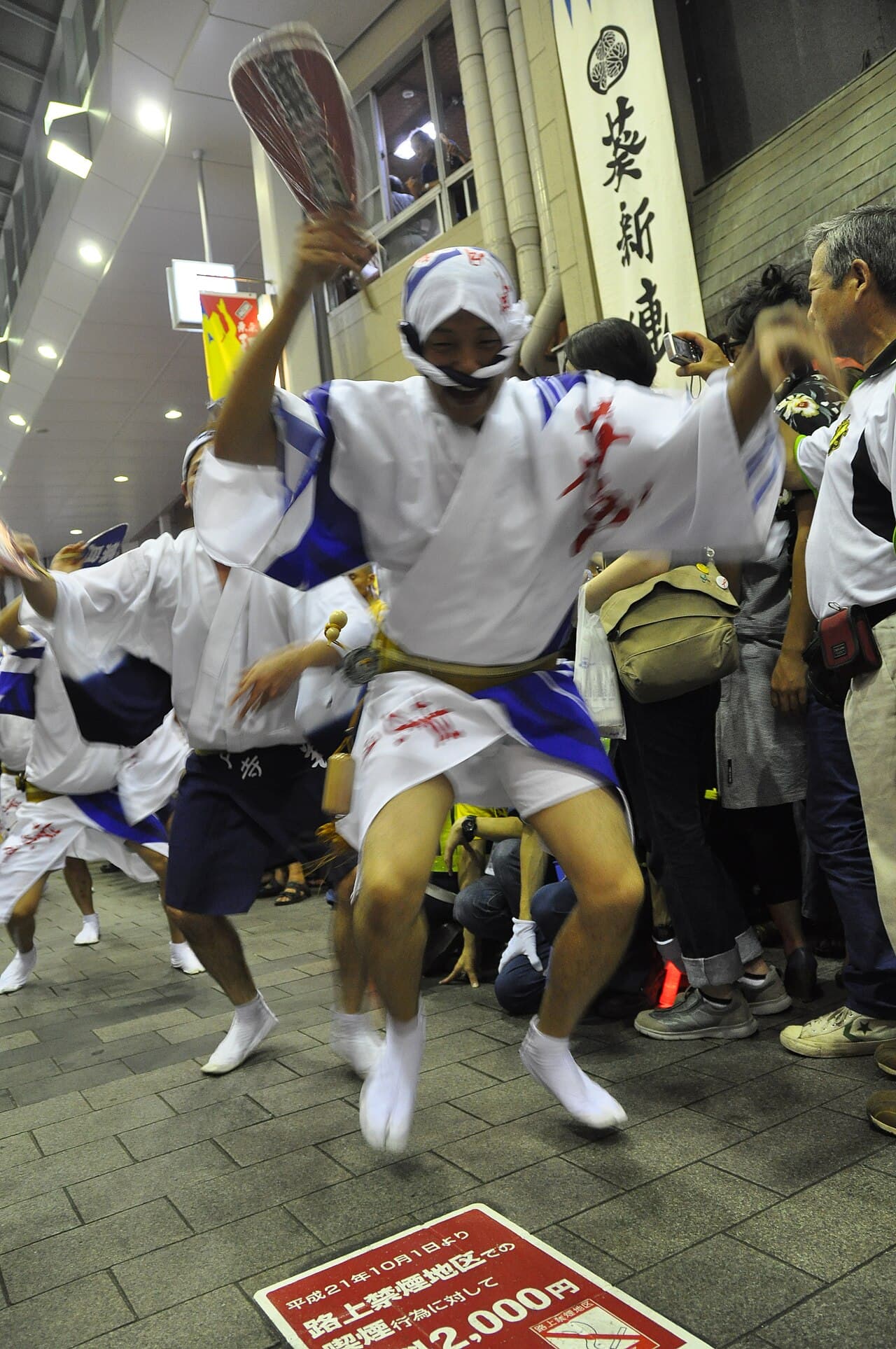
- Awa Odori, Tokushima — Aug 12–15, 2026. The country's most famous bon dance, ~1.3 million spectators.
- Arashiyama Toro Nagashi, Kyoto — Aug 16. Thousands of lanterns set adrift on the Oi River to send spirits off, beneath the Daimonji bonfire hillsides.
- Fukagawa Hachiman Matsuri, Tokyo — mid-August. The 'water-throwing' grand festival of Tomioka Hachimangu.
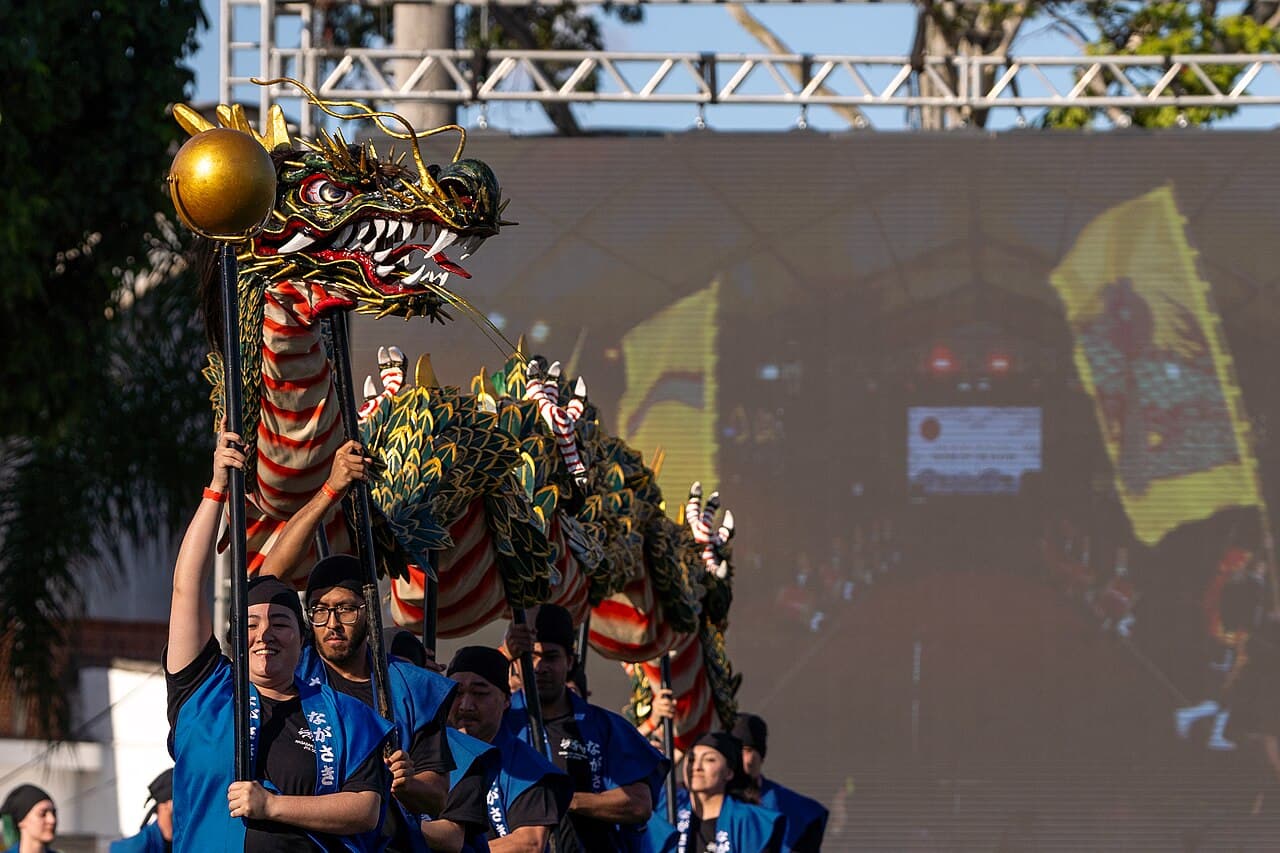
- Okinawa Zento Eisa — late August. The island's taiko-drum bon dance, on Okinawa's later lunar Obon.
Bottom line
Obon is crowded and pricey — but it's also when Japan is at its most atmospheric and communal. Book transport and lodging weeks ahead, travel light against the peak flow, and aim your trip at one of the dated lantern or dance festivals below. Go in with a plan and the rush becomes part of the experience, not an obstacle.
---
Want the meaning behind the crowds? Obon is Japan's festival for ancestors' spirits — see what Obon actually means, explained.
All events
 OfficialPast event© Rosino · CC BY-SA 2.0
Awa Odori Dance Festival
Japan's most famous dance festival: 100,000 dancers and a million spectators fill Tokushima with rhythm every August.
2026/08/12 18:00 Across JapanFree
 OfficialPast event© New Zealand Government, Office of the Governor-General · CC BY 4.0
Arashiyama Toro Nagashi (Lantern Floating)
Thousands of memorial lanterns drift down the Oi River below Arashiyama as the 'Torii-gata' bonfire of the Gozan Okuribi blazes on the hillside above.
2026/08/16 19:00 KyotoFree
 OfficialPast event© American Art Association;
Millet, Francis Davis, 1846-1912 · No restrictions
OfficialPast event© American Art Association;
Millet, Francis Davis, 1846-1912 · No restrictionsFukagawa Hachiman Matsuri (Tomioka Hachimangu Grand Festival)
One of Edo's three great festivals returns to its full triennial form in 2026, with 50+ mikoshi paraded as spectators drench bearers in purifying water.
2026/08/16 07:30 TokyoFree
 OfficialPast event© Tet · CC BY 4.0
Okinawa Zento Eisa Festival
Okinawa's biggest eisa festival, where drum troupes from across the islands perform thunderous traditional dance under summer skies.
2026/08/28 15:00 OkinawaFree
 OfficialPast event© Marufish from Alor Setar, Malaysia · CC BY-SA 2.0
Tokyo Koenji Awa Odori 2026
Tokyo's own Awa dance takes over Koenji's backstreets as 10,000-plus dancers in 'ren' troupes whirl through the summer night.
2026/08/29 17:00 TokyoFree
OfficialPast event© Cobalt Fox · Public DomainLake Suwa Fireworks Festival 2026
Around 40,000 fireworks erupt over Lake Suwa, their booms echoing off the surrounding mountains in one of central Japan's most spectacular summer displays.
2026/08/15 19:00 Across JapanFree