First-Timer's Guide to Japanese Matsuri: What to Expect & the Best Ones
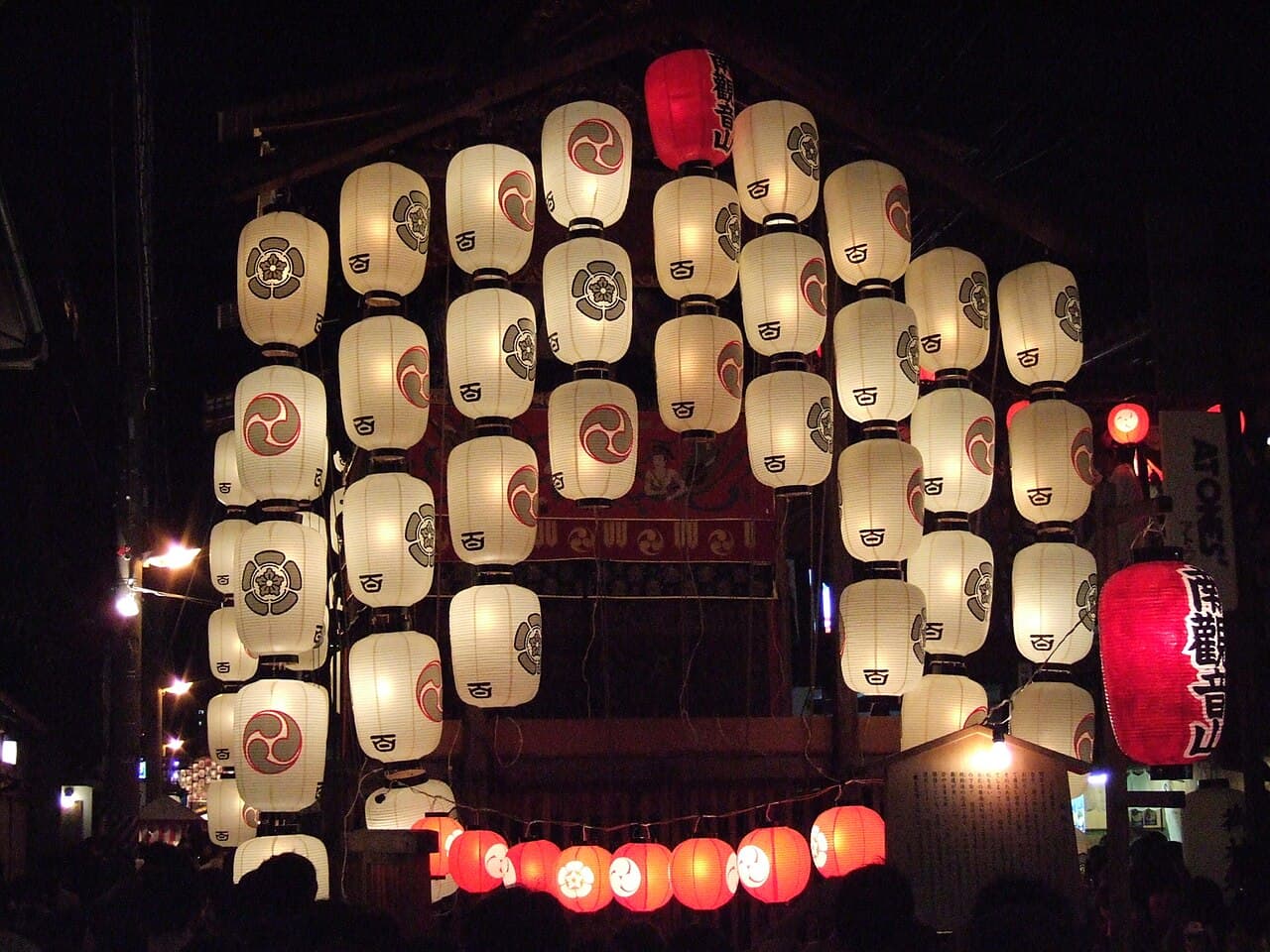
What a matsuri actually is
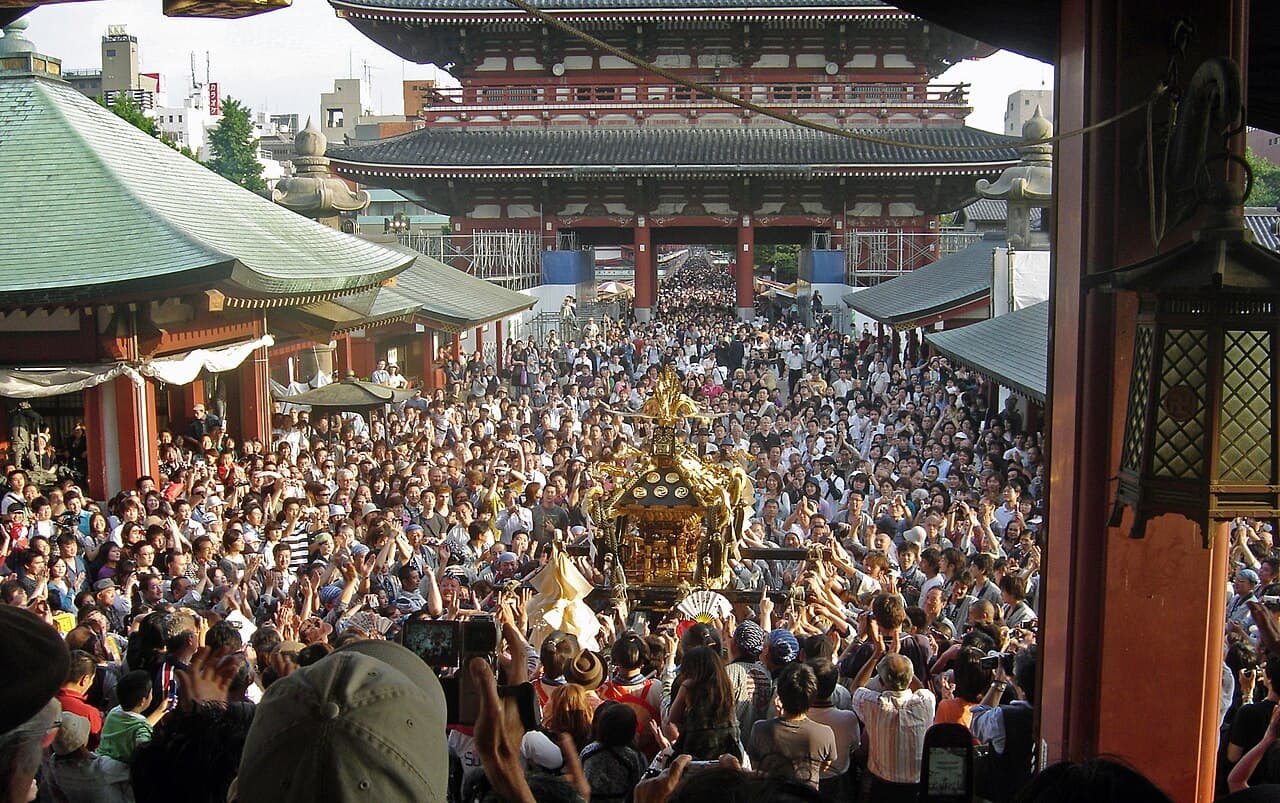
A matsuri (祭り) is, at root, a Shinto shrine festival — a community carrying its deity (kami) out among the people, usually in a portable shrine called a mikoshi, accompanied by music, food stalls and ritual. Over centuries these grew into the joyous street spectacles you see today. Knowing the religious core helps: the procession isn't a parade for tourists, it's the point.
The main types you'll meet
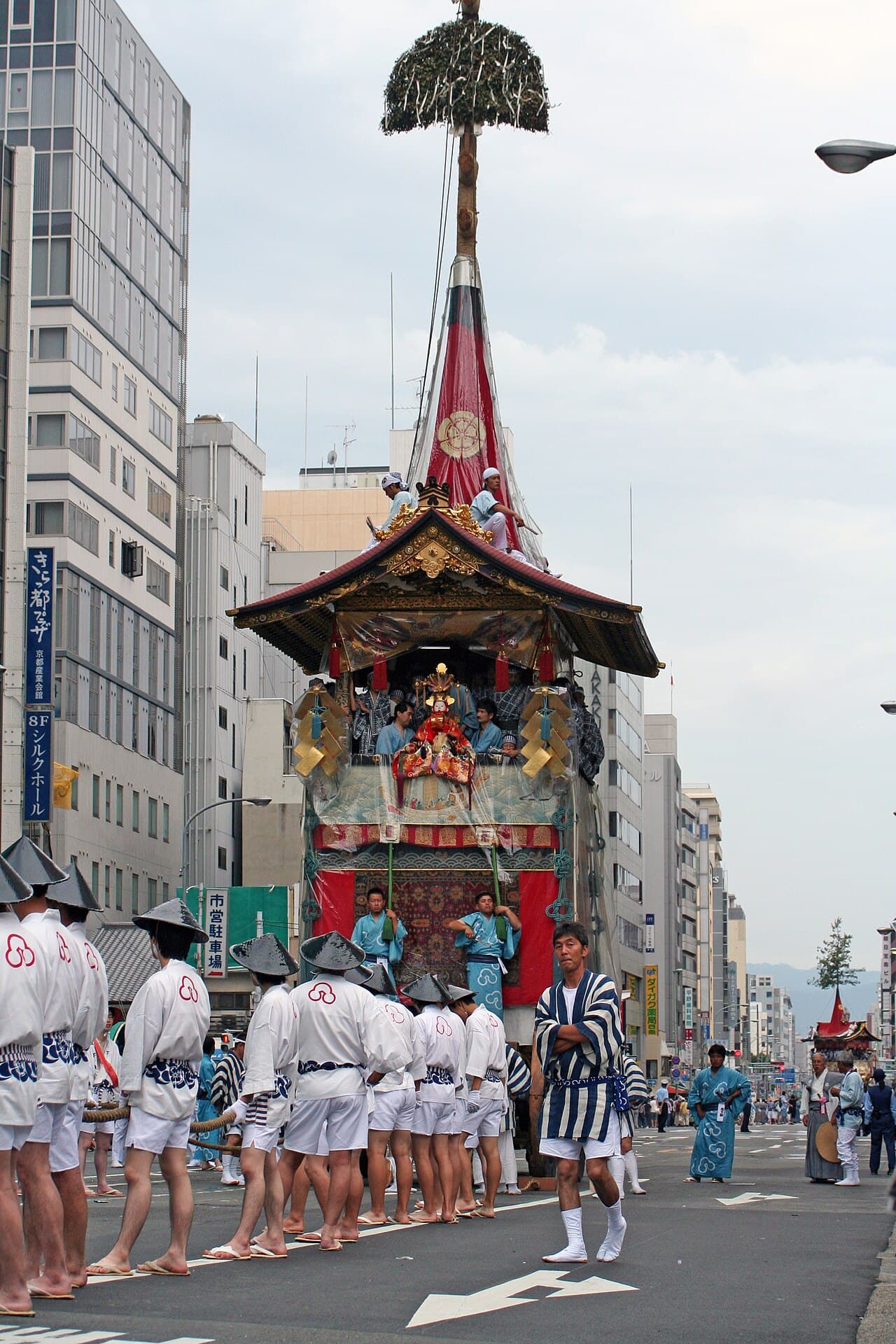
- *Float festivals (dashi / yamaboko): towering wheeled floats hauled through the streets. Kyoto's Gion Matsuri is the grandest, its tapestry-draped yamaboko* a UNESCO-listed sight.
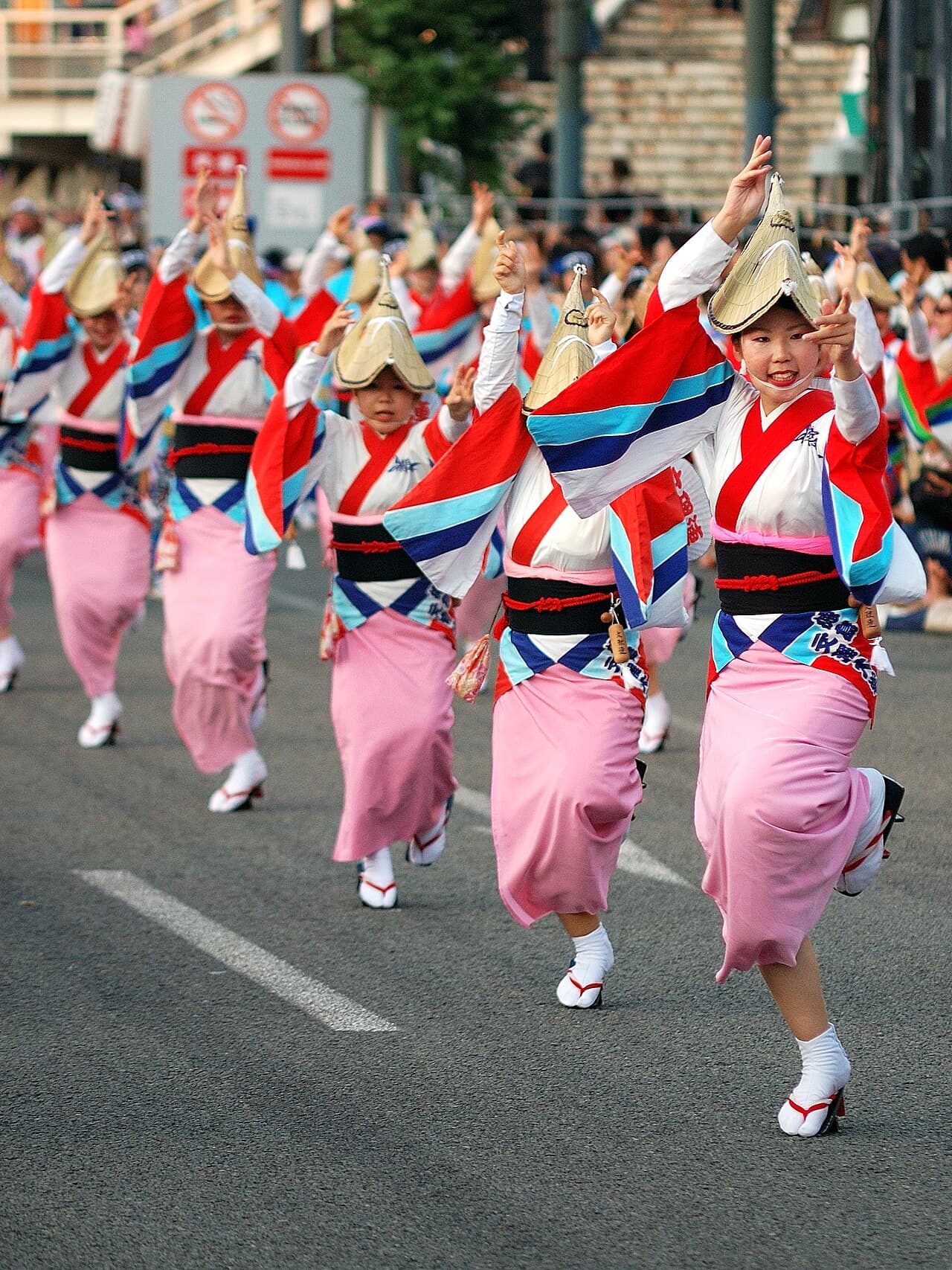
- *Dance festivals (odori): whole cities become a moving crowd. Awa Odori* in Tokushima is the giant — and spectators are invited to join.
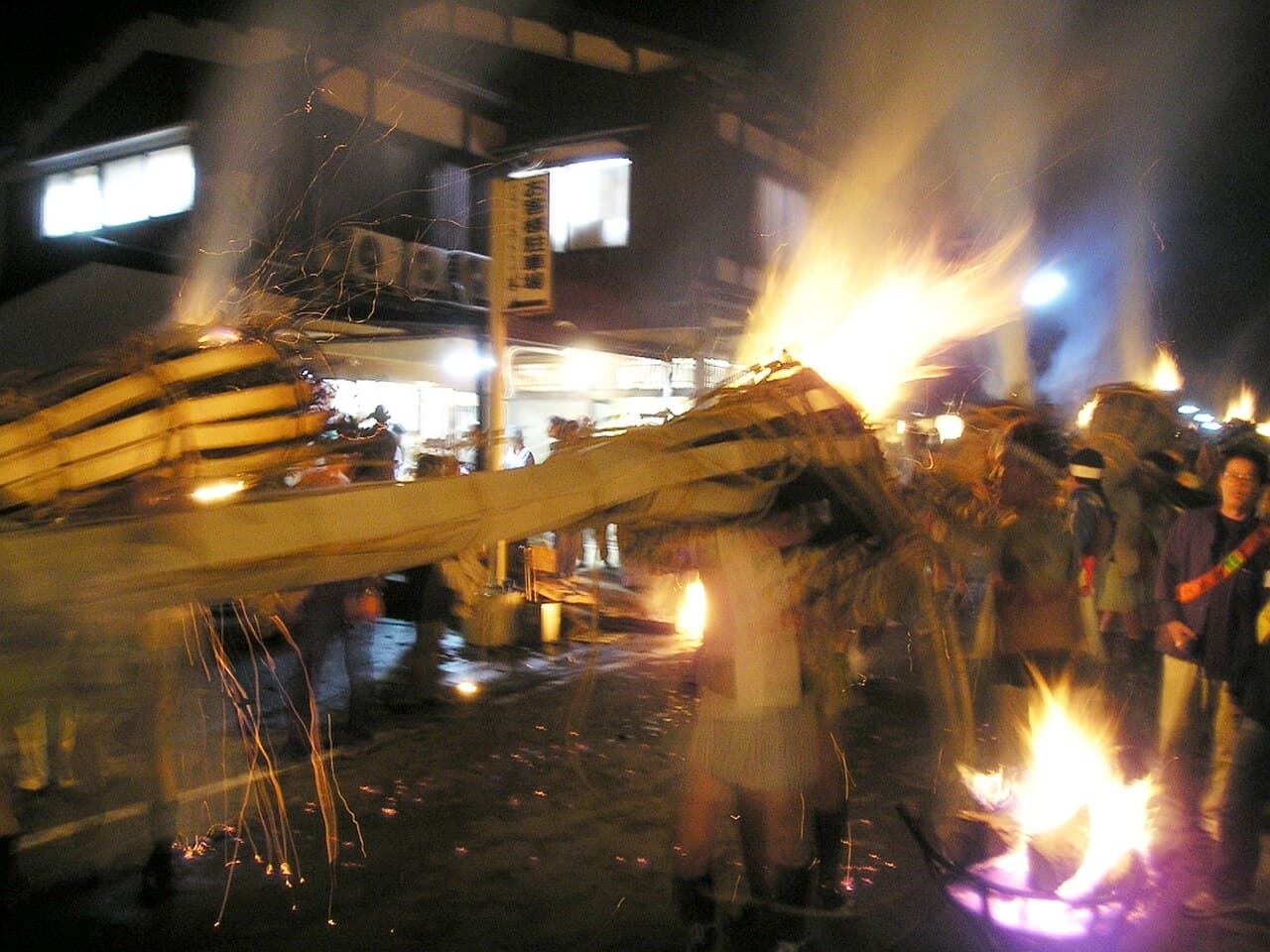
- *Fire festivals (hi-matsuri): flaming torches and bonfires light the night, as at Kyoto's primal Kurama Fire Festival*.
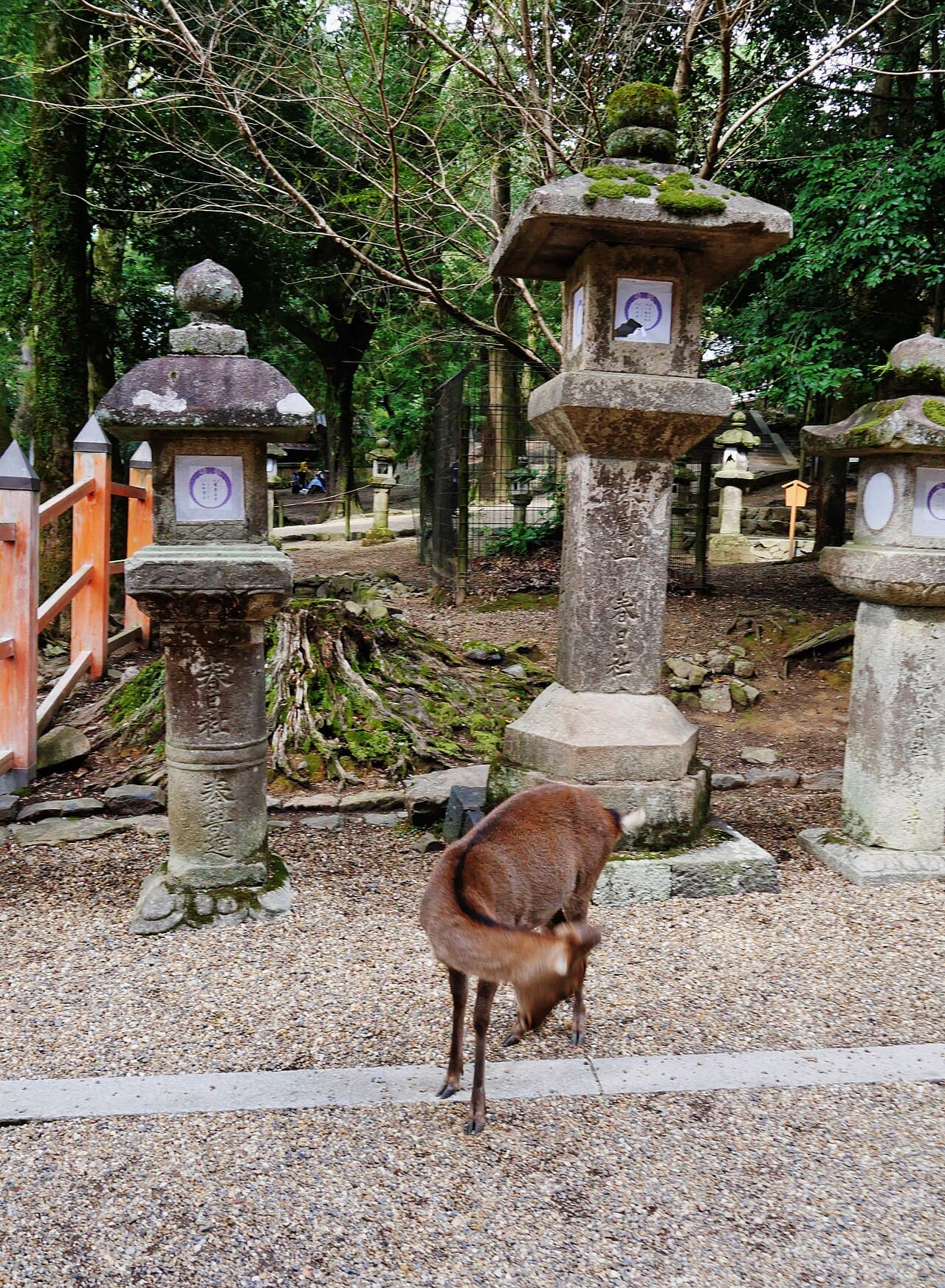
- Lantern festivals: thousands of soft lights, like Nara's Kasuga Mantoro, where 3,000 lanterns glow at an ancient shrine.
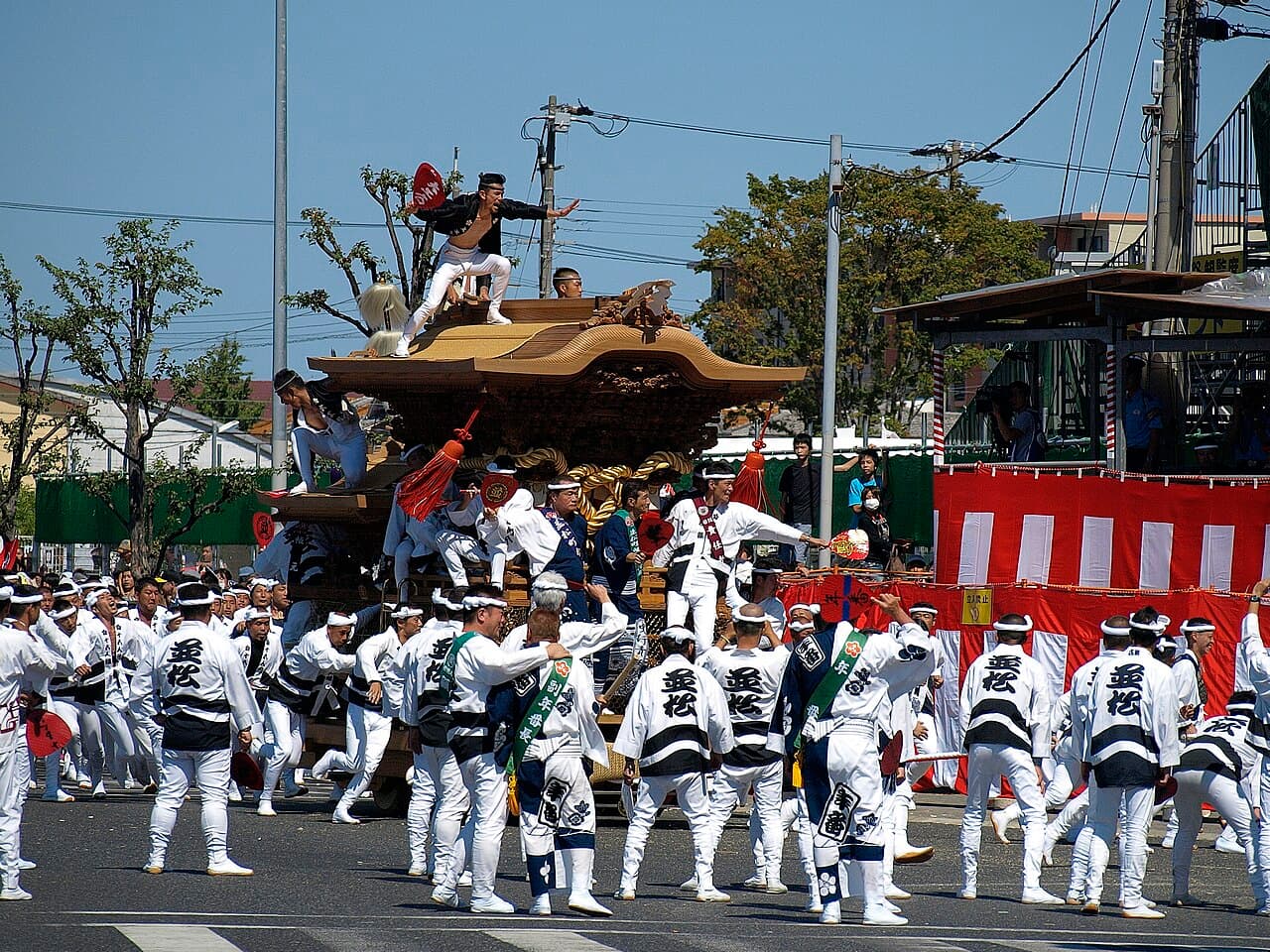
- Energetic / 'rough' festivals: teams haul or clash heavy floats, like Osaka's full-tilt Kishiwada Danjiri.
How to read a festival
- The mikoshi procession is the heart — find its route and time.
- Yatai (屋台) food stalls line the approach: takoyaki, yakisoba, candied apples. Bring cash.
- Many summer-goers wear yukata; you can rent one and fit right in.
- A hayashi band (drums, flute, bell) sets the rhythm — follow the sound.
Practical first-timer tips
- Arrive early for fixed-route processions; prime curb space goes hours ahead.
- Stay hydrated (summer is brutal) and carry your trash out.
- At fast, heavy events like Danjiri, stay behind the barriers.
A starter set
If you can build a trip around one, make it Gion (July), Awa Odori (August) or a fire/lantern night in autumn. Below are real, dated picks spanning each type.
---
One thing you'll see at almost every matsuri: a mikoshi (portable shrine) being carried and shaken through the crowd — see what a mikoshi is and why it's shaken. Visiting in winter instead? Read about Setsubun, Japan's bean-throwing festival.
All events
 OfficialPast event© Corpse Reviver · CC BY 3.0
Gion Matsuri (Yamaboko Junko Float Procession)
Kyoto's grandest festival fills July with towering wooden floats, lantern-lit evening parties, and 1,100 years of tradition.
2026/07/17 09:00 KyotoFree
 OfficialPast event© Rosino · CC BY-SA 2.0
Awa Odori Dance Festival
Japan's most famous dance festival: 100,000 dancers and a million spectators fill Tokushima with rhythm every August.
2026/08/12 18:00 Across JapanFree
 OfficialUpcoming© ja:User:Si-take. · CC BY-SA 3.0
Kurama Fire Festival (Kurama no Hi Matsuri)
Men in loincloths haul flaming 80-kg torches through a mountain village after dark in one of Kyoto's wildest, most primal night festivals.
2026/10/22 18:00 KyotoFree
 OfficialPast event© Zairon · CC BY 4.0
Kasuga Taisha Mantoro Lantern Festival
Three thousand bronze and stone lanterns are lit across ancient Kasuga Taisha, filling the shrine's forest paths with a soft golden glow.
2026/08/14 19:00 NaraSmall fee to enter the inner lantern corridors
 OfficialThis weekend© Kounosu · CC BY-SA 3.0
Kishiwada Danjiri Matsuri
Teams haul massive wooden festival floats at full sprint through Kishiwada's streets in one of Japan's most thrilling matsuri.
2026/09/19 06:00 OsakaFree
 OfficialPast event© Torsodog · CC BY-SA 3.0
Sanja Matsuri
Asakusa's wildest weekend: nearly 100 portable shrines and two million people flood the streets around Senso-ji Temple.
2026/05/15 11:00 TokyoFree