Japan's 'Three Great' Festival Trios: Fire, Floats & Where to See Them
The 'three greats' (三大), explained
Japanese tradition loves to crown a 'three great' (sandai) of almost everything — gardens, night views, and especially festivals. The lists aren't official and locals argue over them, but they're a brilliant planning shortcut: each trio points you at the most spectacular, time-tested examples of a single festival type. Knowing the categories turns a wall of matsuri into a clear map.
The three great float festivals (日本三大曳山祭)
Towering wheeled floats — dashi, yamaboko, kasaboko — hauled through the streets by teams of pullers, often UNESCO-listed.
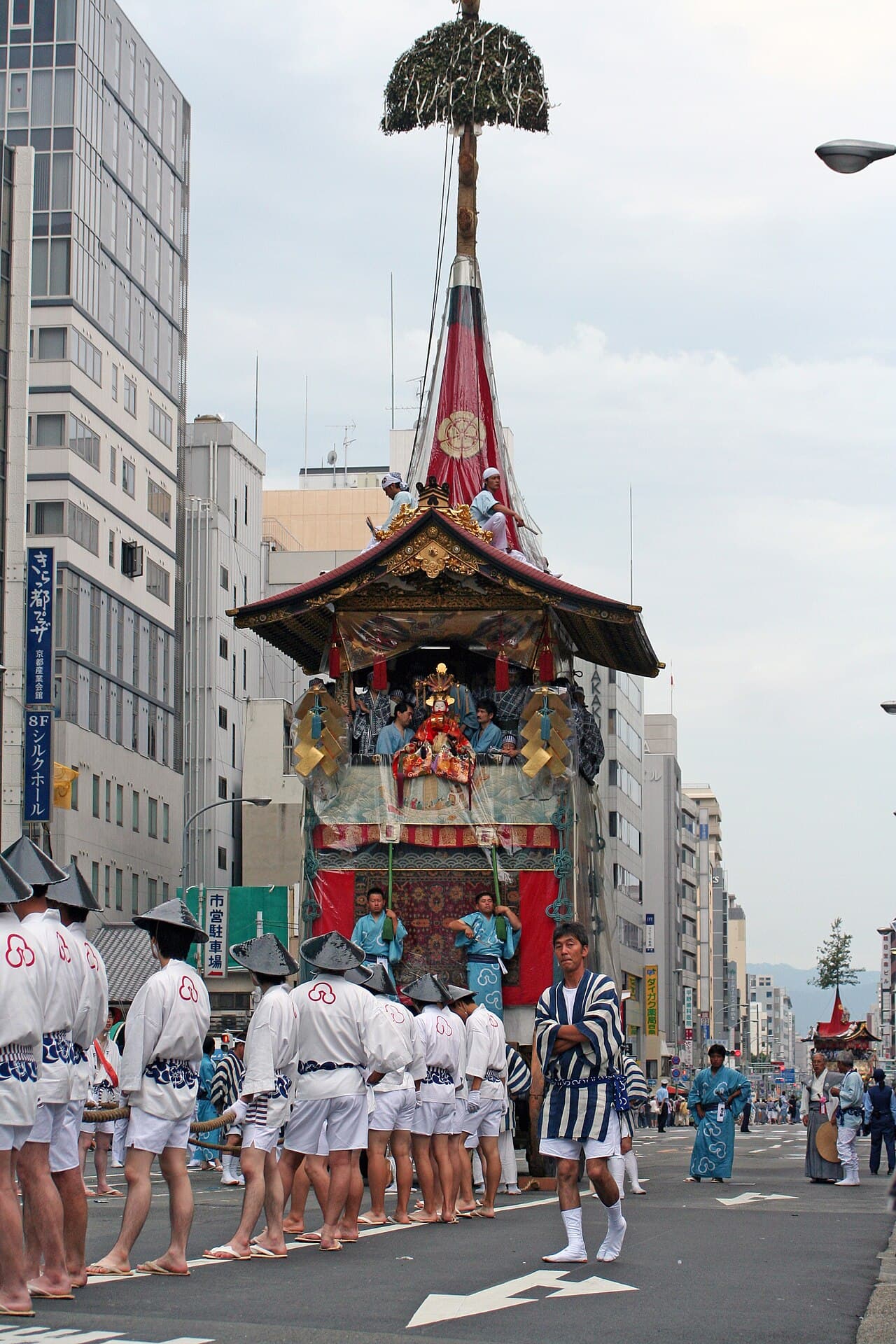
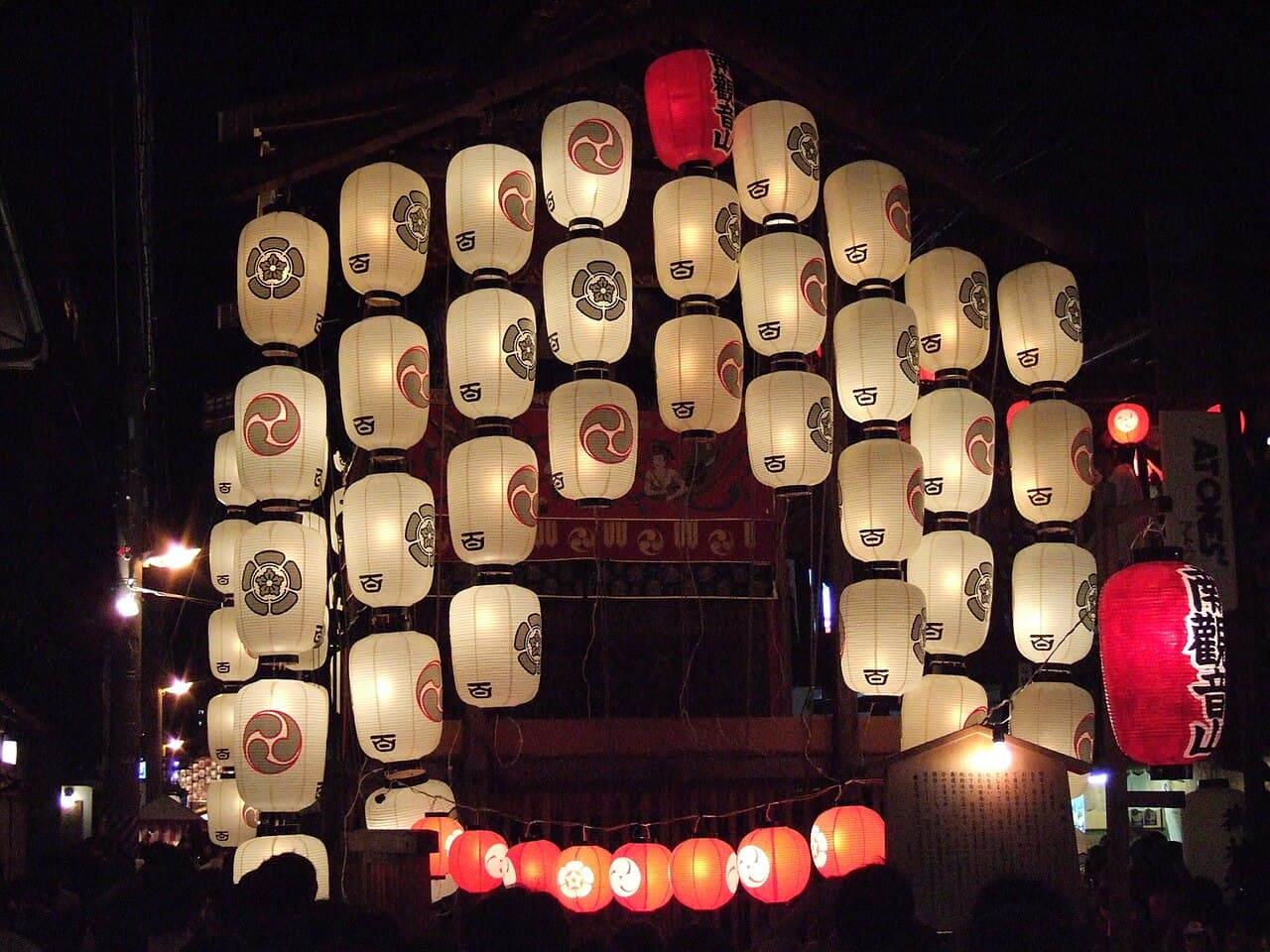
- Gion Matsuri (Kyoto, July): the grandest of all, its tapestry-draped yamaboko gliding through downtown Kyoto in the Yamaboko Junko procession.
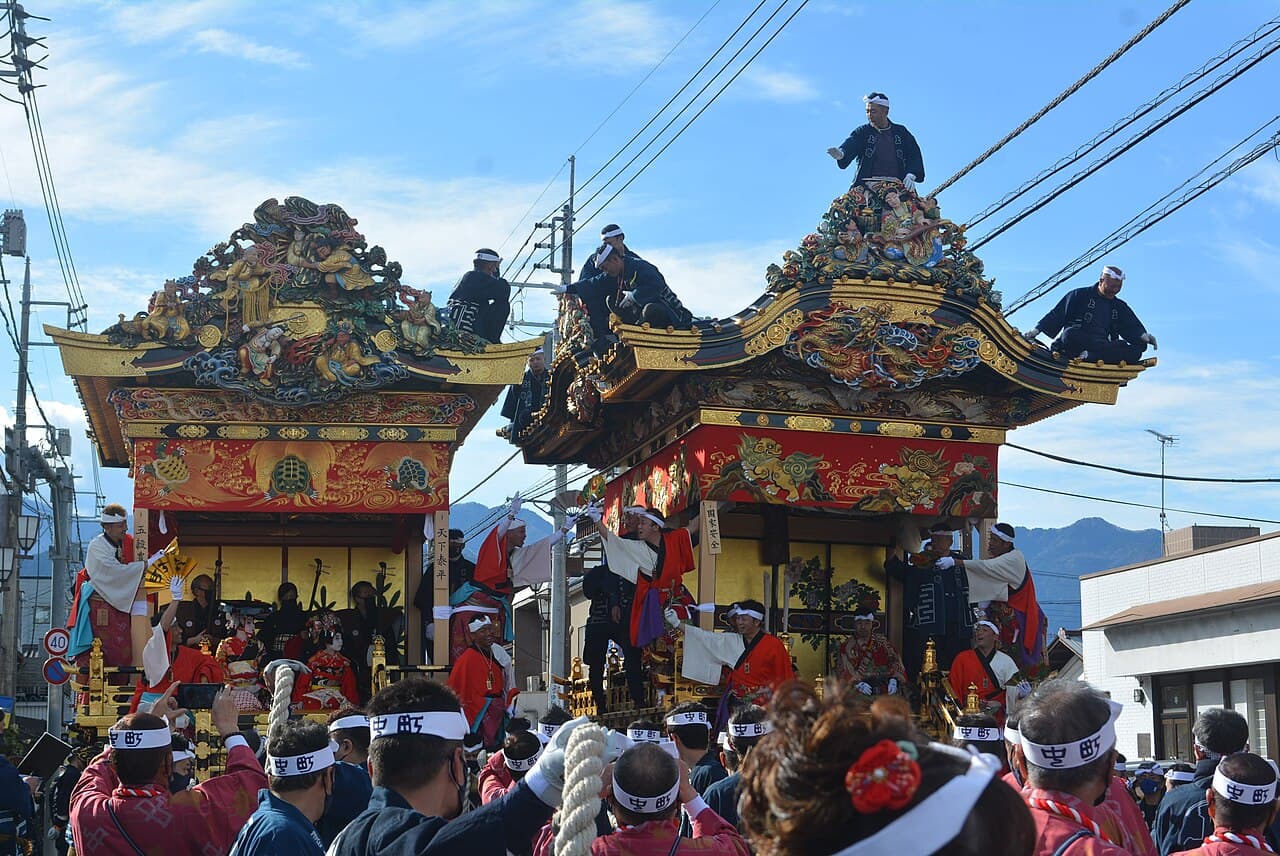
- Takayama Festival (Gifu, spring & autumn): ornate floats with moving karakuri puppets in a postcard-perfect old town.
- Chichibu Night Festival (Saitama, December): floats hauled up a steep hill by lantern-light while winter fireworks explode overhead.
The three great fire festivals (日本三大火祭り)
Flame as ritual — torches, bonfires and burning structures that purify and protect.
- Nozawa Onsen Fire Festival (Nagano, January 15): a wild 'fire-setting battle' in deep snow, men of the unlucky ages defending a giant wooden shrine.
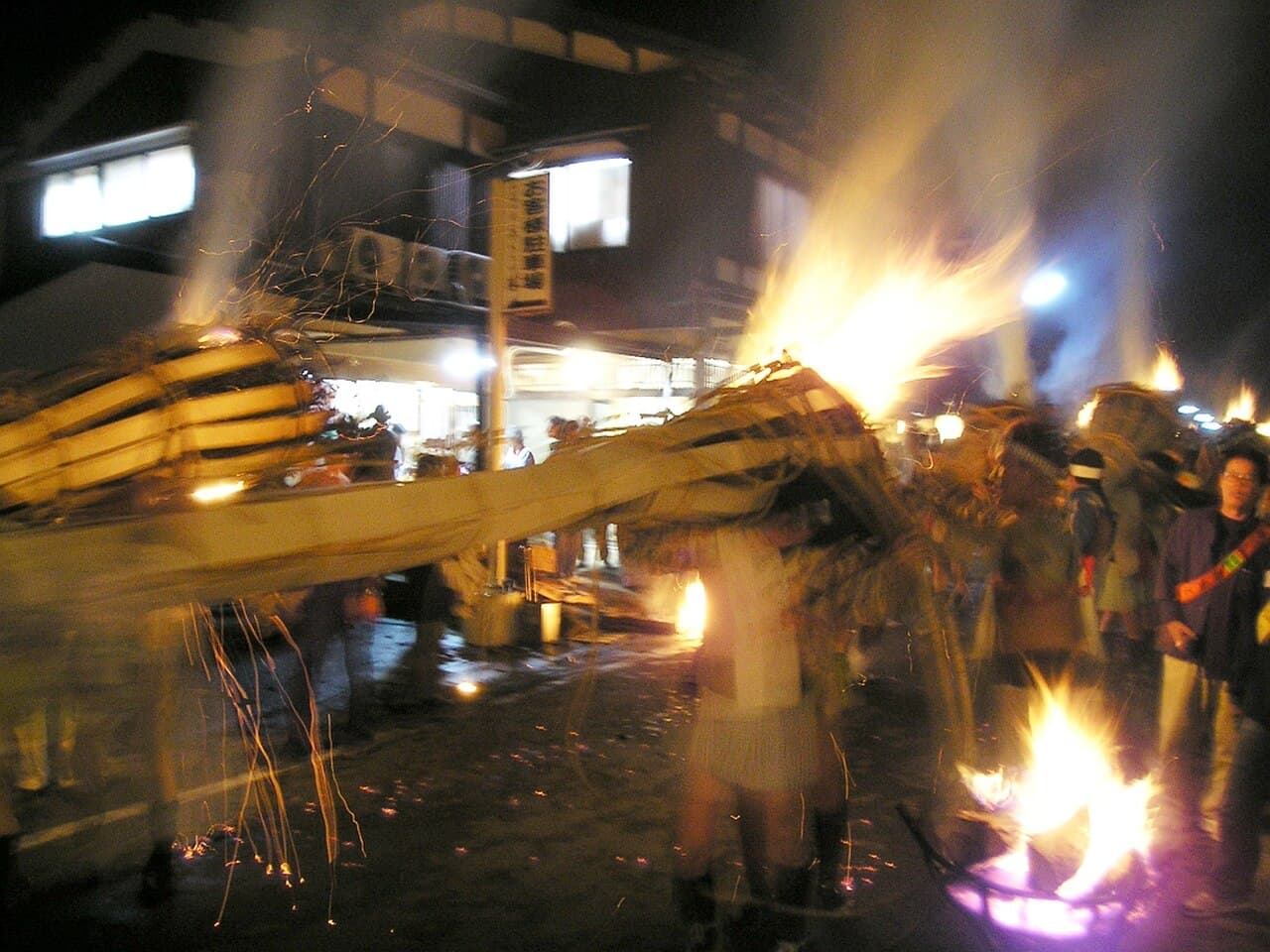
- Kurama Fire Festival (Kyoto, October): villagers carry blazing pine torches through a mountain hamlet north of Kyoto.
- (The third seat is contested — Nachi's fire festival in Wakayama is a common pick.)
Other trios worth knowing
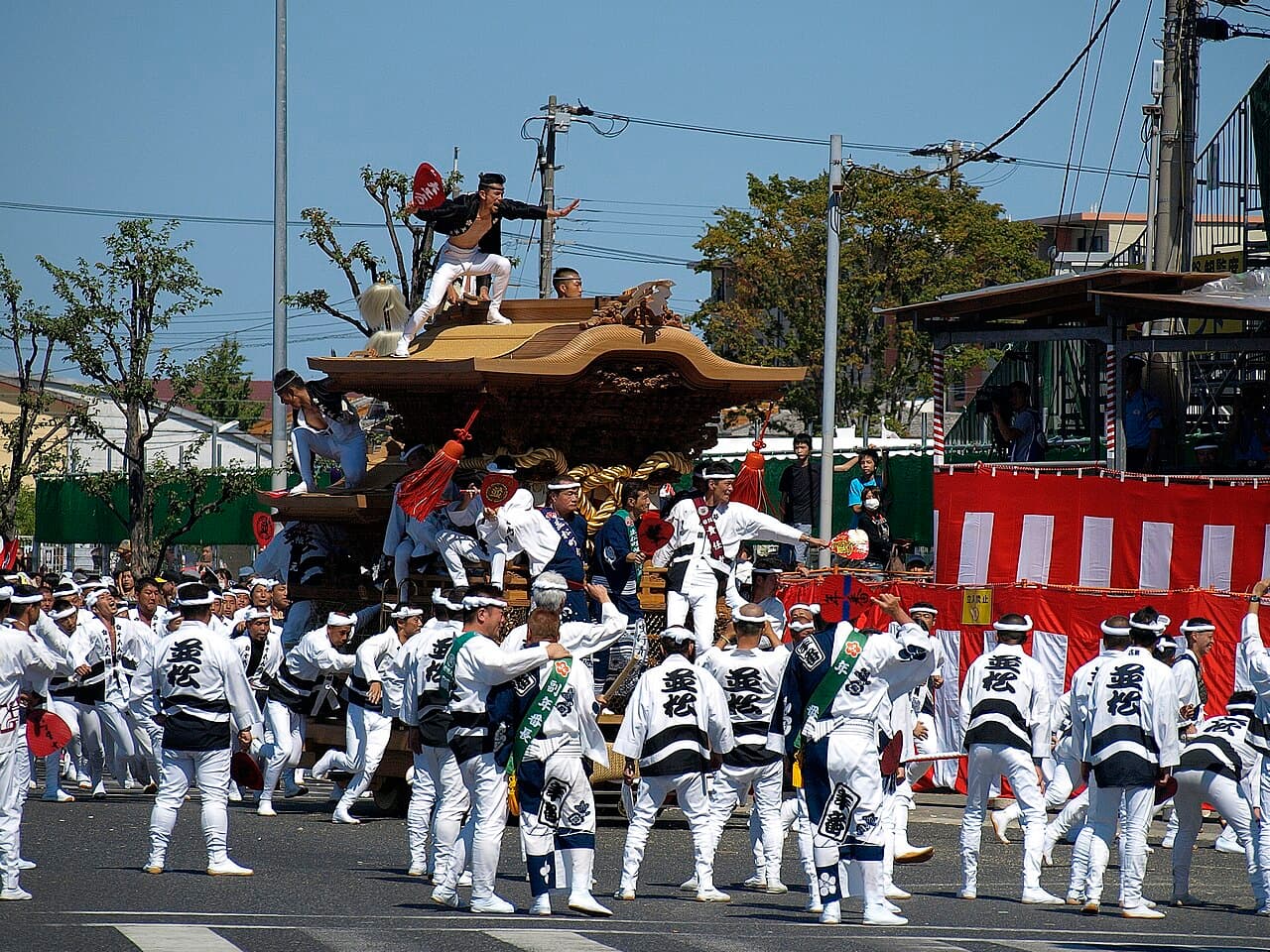
- Three great 'fighting' festivals (喧嘩祭り): heavy floats deliberately crashed together — Nada no Kenka Matsuri in Himeji is the headline act.
- *Three great tanabata: star-festival streets buried in paper streamers, led by Sendai Tanabata* in August.
How to plan around a trio
Pick a season, then a type. Winter? Aim a trip at a fire festival. Summer? Floats and tanabata. Build the rest of the itinerary around that anchor — the dated picks below span fire, floats and a fighting festival so you can slot one into almost any month.
全部活动
 Official已结束© Corpse Reviver · CC BY 3.0
Gion Matsuri (Yamaboko Junko Float Procession)
Kyoto's grandest festival fills July with towering wooden floats, lantern-lit evening parties, and 1,100 years of tradition.
2026年7月17日周五 09:00 JST Kyoto免费
 Official即将举行© z tanuki · CC BY 3.0
Takayama Autumn Festival (Hachiman Matsuri)
Eleven gilded Edo-era floats parade through old Takayama by day, then glow with 100+ lanterns at dusk in one of Japan's three most beautiful festivals.
2026年10月9日周五 09:00 JST Nagoya免费
 Official即将举行© Katorisi · CC BY 4.0
秩父夜祭 2026|12月2日–3日日程、冬季烟花与交通
秩父夜祭(Chichibu Yomatsuri)2026 于12月2日(周三)–3日(周四)举行,主会夜为12月3日:挂满灯笼的联合国教科文组织非遗花车被拉上团子坂,冬季烟花持续约2小时。免费观看,从东京池袋乘西武特急约80分钟。以下为日程、会场与交通。
2026年12月2日周三 14:00 JST Tokyo免费
 Official即将举行© Midori (Wikimedia user) · CC BY-SA 3.0
Nozawa Onsen Fire Festival 2027
One of Japan's three great fire festivals: villagers defend a giant wooden shrine with blazing torches as attackers try to set it alight in a wild snowbound battle.
2027年1月15日周五 19:00 JST Across Japan免费
 Official即将举行© ja:User:Si-take. · CC BY-SA 3.0
Kurama Fire Festival (Kurama no Hi Matsuri)
Men in loincloths haul flaming 80-kg torches through a mountain village after dark in one of Kyoto's wildest, most primal night festivals.
2026年10月22日周四 18:00 JST Kyoto免费
Official即将举行© Midori (Wikimedia user) · CC BY-SA 3.0Nada no Kenka Matsuri 2026 (Fighting Festival)
Three portable shrines are violently crashed together as seven ornate floats clash in Japan's most famous 'fighting festival.'
2026年10月14日周三 10:00 JST Across Japan免费