Nara Park Deer: Feeding & Safety Guide
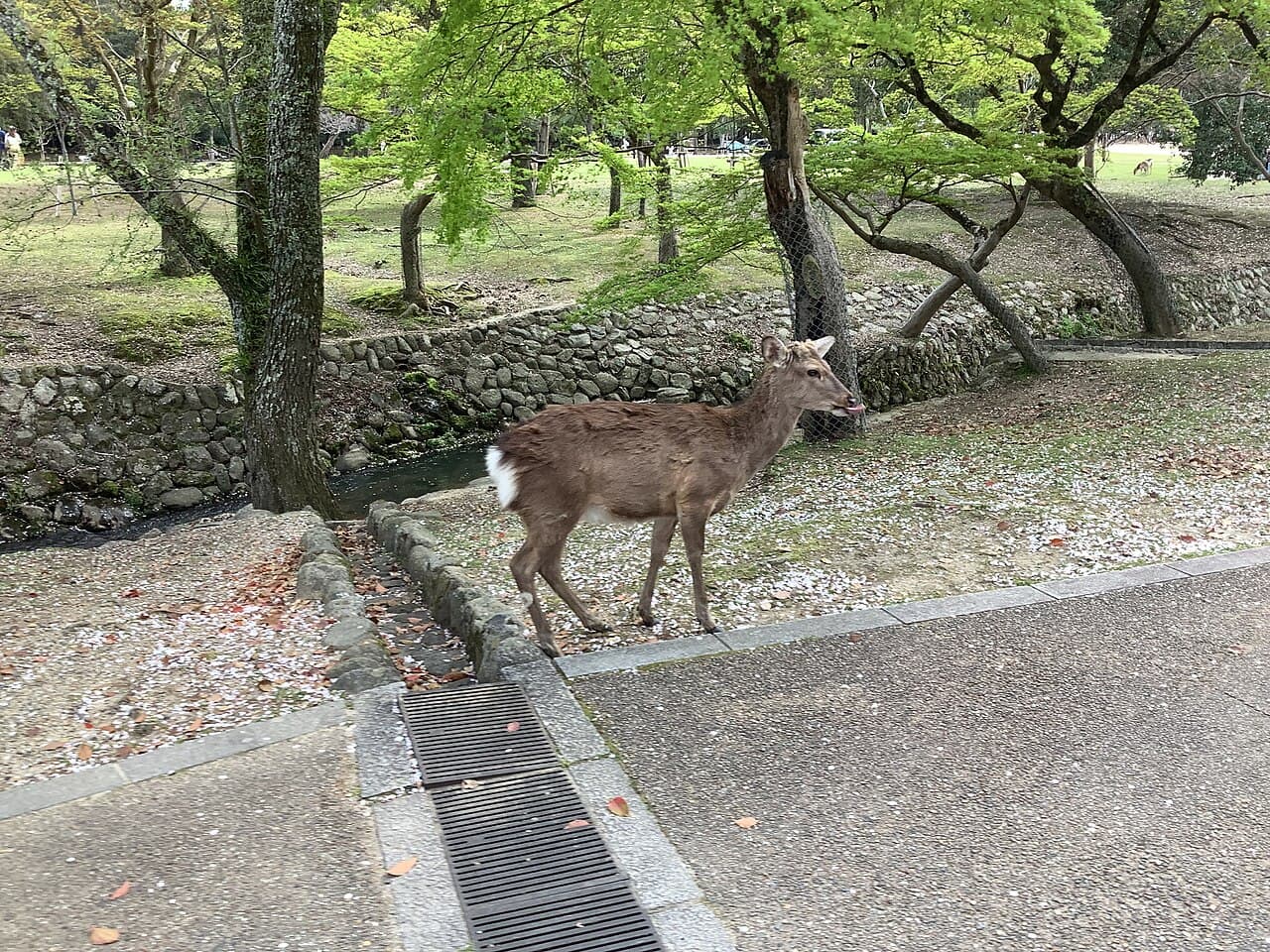
The ~1,300 deer roaming Nara Park are wild sika deer, protected as a National Natural Monument — they are not owned, tamed, or fed by the temples. Feed them only shika-senbei (deer crackers), sold for ¥200 per pack of ~10 by licensed vendors (as of July 2026). Buy a pack, feed it quickly, then open your empty hands to show the food is gone. Treat them gently and they are one of Japan's most joyful encounters.
The wild deer of Nara
Nara's deer are genuine wild animals — an estimated 1,300 sika deer (some counts run to 1,300–1,500) that free-roam Nara Park, the surrounding streets, and the paths around Todaiji. They hold the status of a National Natural Monument, which is why they wander wherever they please and why nobody "owns" or stables them. For centuries they have been regarded as sacred messengers, and that reverence is a big reason the herd survives in the heart of a city.
Because they are wild, they behave like wild animals: curious, food-motivated, and unbothered by crowds. Many visitors are delighted to see deer appear to bow before being handed a cracker — a widely observed, learned behavior rather than any official trick. A polite nod back often earns you a nudge for more.
How to feed them safely
The only food you should ever give a Nara deer is shika-senbei, sold from red stands throughout the park.
- Price: ¥200 for a pack of about 10 crackers (as of July 2026).
- What they're made of: wheat flour and rice bran — no sugar, oil, or salt, so they're safe for the deer.
- Good cause: part of the proceeds funds deer protection.
The technique matters. Buy your pack, then feed the crackers quickly — if you hold them up and hesitate, several deer will crowd in at once. When the pack is empty, open your hands and spread your arms to show your palms; the deer read this "I'm out" gesture and usually move on. Never wave a cracker in the air to tease them, and never feed them anything else — chips, sweets, and especially plastic-wrapped snacks can make them sick.
Safety & etiquette
The deer are gentle with respectful visitors, but they are strong animals that can bite, butt, or chase, especially when they smell food.
- Autumn rut: males with antlers are more aggressive in the fall breeding season — give bucks a wide berth. (Note: many bucks have their antlers ceremonially cut each autumn, but treat any antlered male with caution.)
- Small children: supervise them closely; a deer at a child's eye level looking for crackers can knock a toddler over. Consider feeding on the child's behalf.
- No plastic or paper: deer will try to eat plastic bags and paper, which harms them. Keep tickets, maps, and bagged snacks tucked away.
- Feed, don't tease: hand the cracker over promptly; hiding it behind your back invites nipping and headbutts.
Stay calm, move slowly, and you'll almost always have a warm encounter rather than a pushy one.
Where & when to find them
Deer gather all across Nara Park, but the densest, most photogenic crowds are around the Nandaimon (Great South Gate) and the lawns leading to Todaiji's Great Buddha Hall, plus the wooded path toward Kasuga Taisha (~15–20 minutes' walk away). From Kintetsu Nara Station the park entrance is about a 5-minute walk. Mornings and late afternoons are calmest; midday is busiest with tour groups. The deer are out year-round in any weather.
Make it a natural half-day loop: the deer, Isuien Garden (~8 min), the Nara National Museum, and Kofukuji are all within the park.
Combine with Todaiji
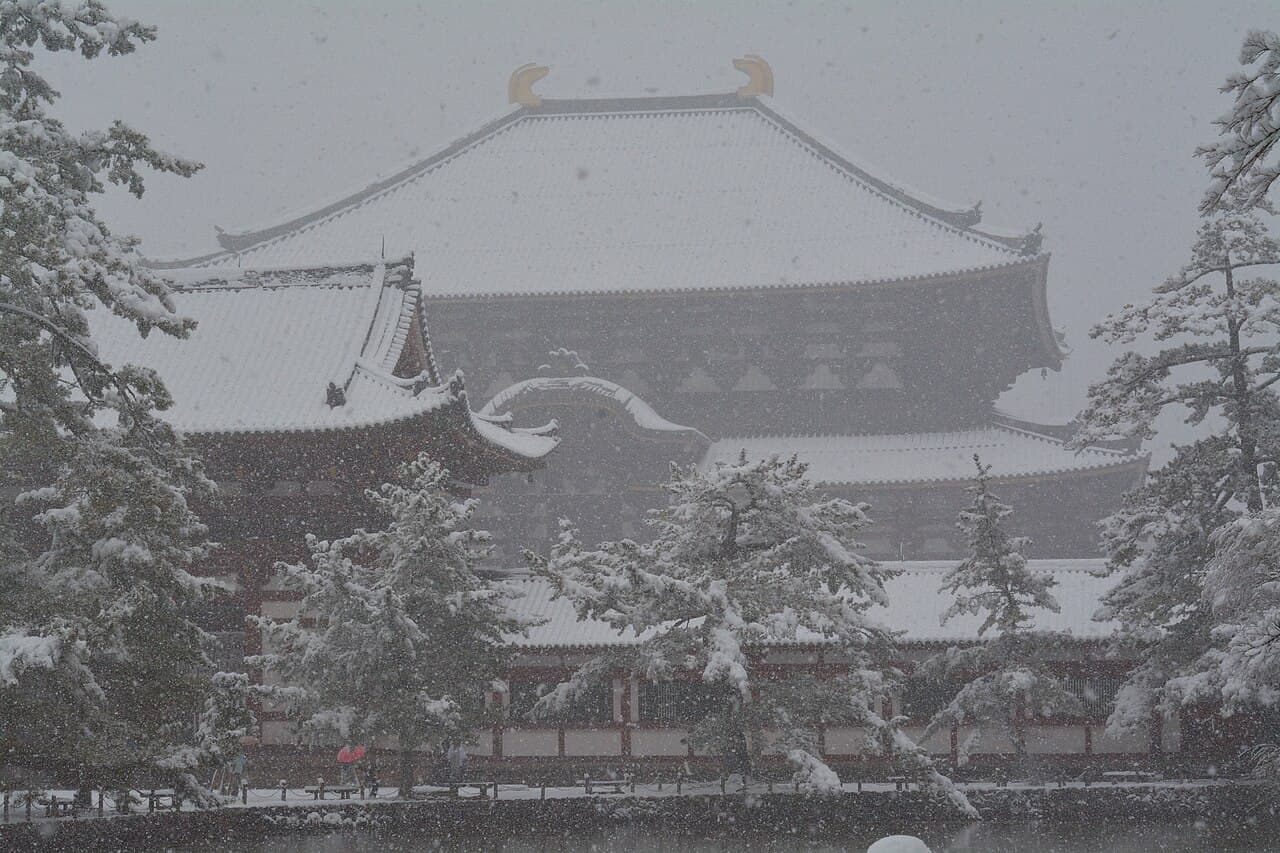
The deer live right at the doorstep of Japan's most famous temple, so pair them. See our Todaiji Temple visitor guide for hours, the ¥800 Daibutsuden ticket (as of July 2026), and the 15-metre Great Buddha. If you visit in summer, our guide to the Todaiji Manto Kuyoe lantern memorial (held annually around Aug 15) covers the evening when the hall's window opens and the Great Buddha's face is lit for viewing from outside.
FAQ
Are the Nara deer wild or tame? They are genuinely wild sika deer — about 1,300 of them — protected as a National Natural Monument. No one owns or stables them; they free-roam the park.
How much are the deer crackers? Shika-senbei cost ¥200 for a pack of about 10 (as of July 2026), sold by licensed vendors across the park. Part of the proceeds funds deer protection.
Is it free to see and feed the deer? Yes — Nara Park is free to enter and the deer roam freely. You only pay ¥200 if you want a pack of crackers to feed them.
Are the Nara deer safe? Do they bite? They're gentle with calm visitors but can bite, butt, or chase when they smell food. Feed crackers quickly, keep plastic bags hidden, and supervise small children; bucks are more aggressive during the autumn rut.
What should I do when I run out of crackers? Open your hands and spread your arms to show your empty palms. The deer recognize this gesture and usually lose interest and move on.
How do I get to the deer? From Kintetsu Nara Station the park entrance is about a 5-minute walk. The deer cluster around Nandaimon gate and the lawns leading to Todaiji's Great Buddha Hall.
When is the best time to visit? Early morning or late afternoon are calmest and least crowded. The deer are out year-round in any weather; avoid midday if you want fewer tour groups.
Frequently asked questions
- Are the Nara deer wild or tame?
- They are genuinely wild sika deer — about 1,300 of them — protected as a National Natural Monument. No one owns or stables them; they free-roam the park.
- How much are the deer crackers?
- Shika-senbei cost ¥200 for a pack of about 10 (as of July 2026), sold by licensed vendors across the park. Part of the proceeds funds deer protection.
- Is it free to see and feed the deer?
- Yes — Nara Park is free to enter and the deer roam freely. You only pay ¥200 if you want a pack of crackers to feed them.
- Are the Nara deer safe? Do they bite?
- They're gentle with calm visitors but can bite, butt, or chase when they smell food. Feed crackers quickly, keep plastic bags hidden, and supervise small children; bucks are more aggressive during the autumn rut.
- What should I do when I run out of crackers?
- Open your hands and spread your arms to show your empty palms. The deer recognize this gesture and usually lose interest and move on.
- How do I get to the deer?
- From Kintetsu Nara Station the park entrance is about a 5-minute walk. The deer cluster around Nandaimon gate and the lawns leading to Todaiji's Great Buddha Hall.
- When is the best time to visit?
- Early morning or late afternoon are calmest and least crowded. The deer are out year-round in any weather; avoid midday if you want fewer tour groups.