A Traveler's Guide to Events in Kyoto: What's On, Season by Season
Why time your Kyoto trip
Kyoto is beautiful any day, but its events are what turn a visit into a memory — and they're tightly seasonal. Plan around one anchor and fill in around it.
Spring (Mar–May): dances & blossoms
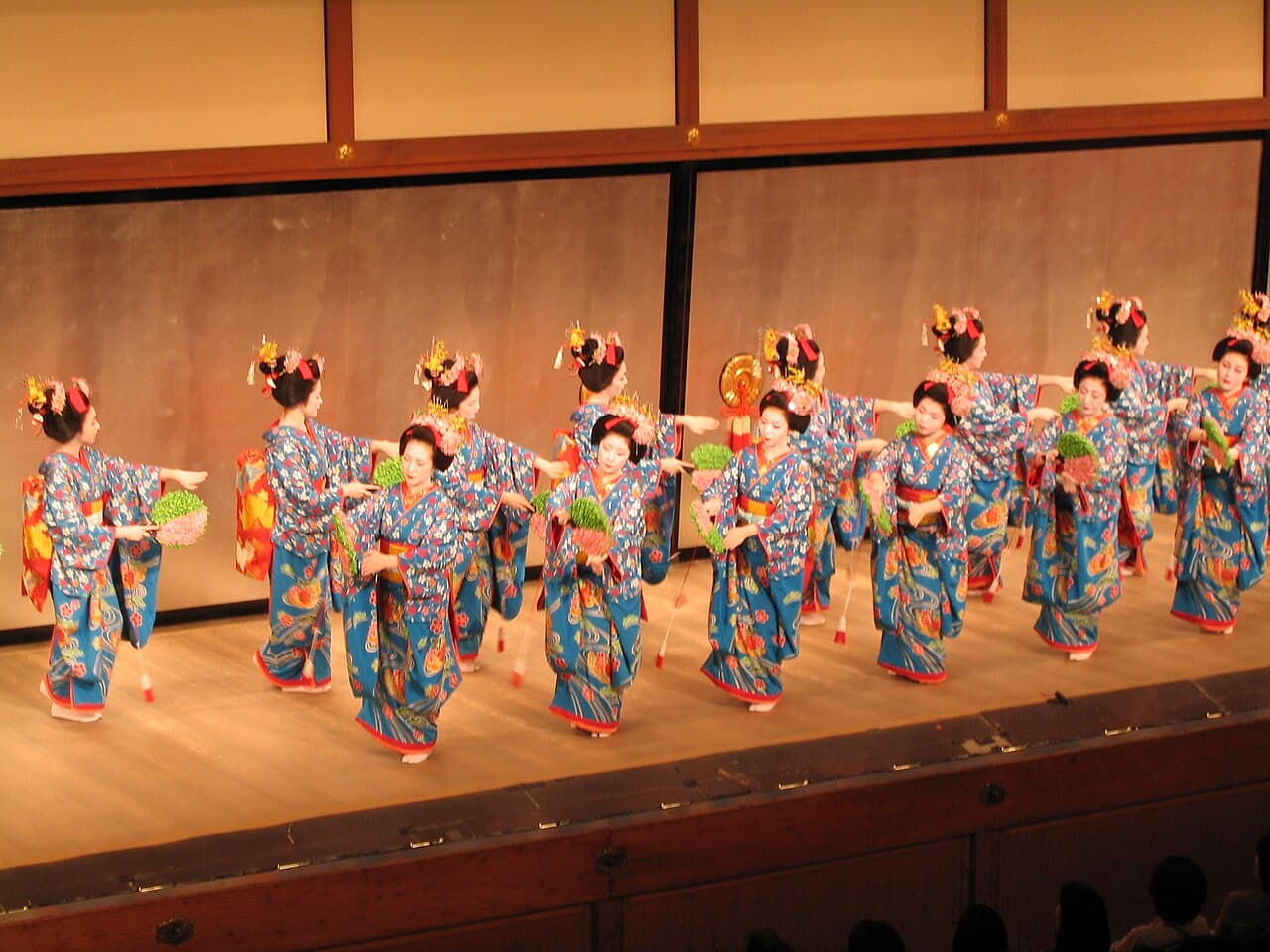
The geiko and maiko of Kyoto's hanamachi stage public seasonal dances each April — Miyako Odori is the famous one, a rare, accessible window into a world usually closed to outsiders. It overlaps with cherry season along the Philosopher's Path and Arashiyama. May brings the elegant, heian-costumed Aoi Matsuri, one of Kyoto's three great festivals.
Summer (Jul–Aug): Gion & the fires
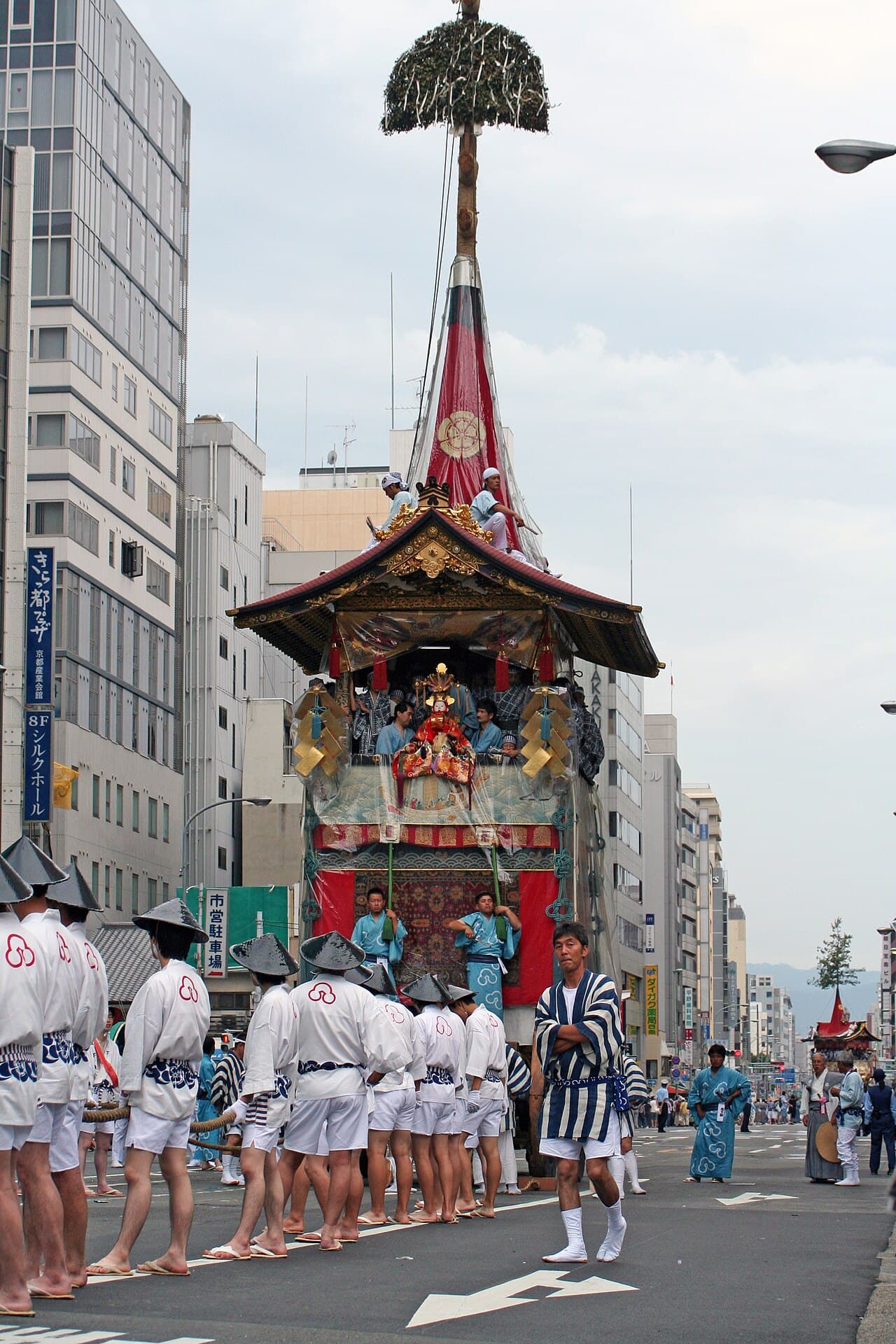
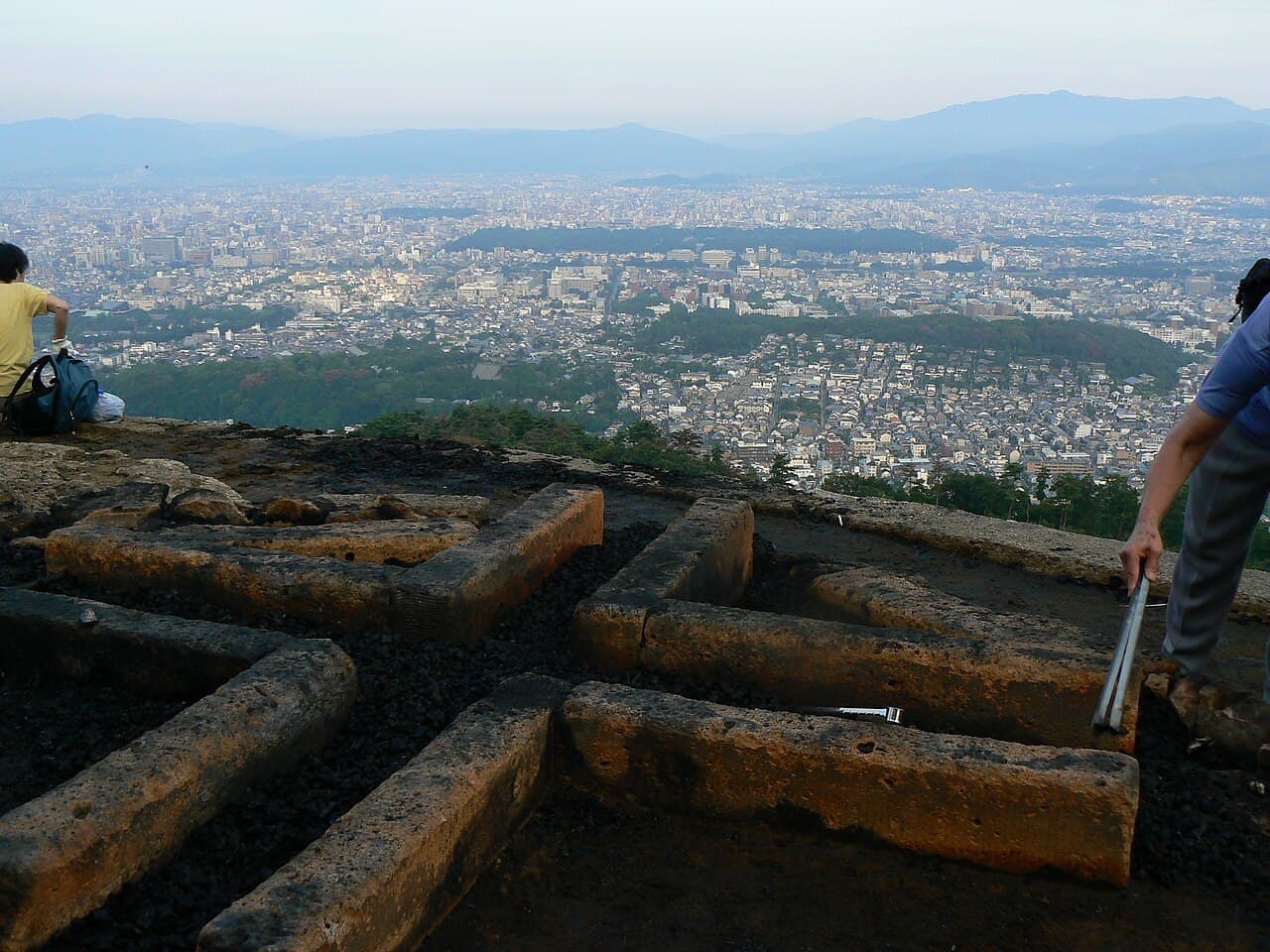
July belongs to Gion Matsuri, the month-long climax being the Yamaboko Junko float procession on the 17th — book accommodation early. In mid-August, the mountains around the city blaze with Gozan no Okuribi (the 'Daimonji' bonfires) that send off ancestral spirits — find a rooftop or riverbank with a clear view north.
Autumn (Oct–Nov): fire & foliage
The primal Kurama Fire Festival (Oct 22) and the costume-parade Jidai Matsuri share the same day. Then the maples turn: Arashiyama glows crimson, and Eikando Temple's evening light-up mirrors red leaves in its pond — go at dusk, midweek if you can.
Winter & New Year: temple bells
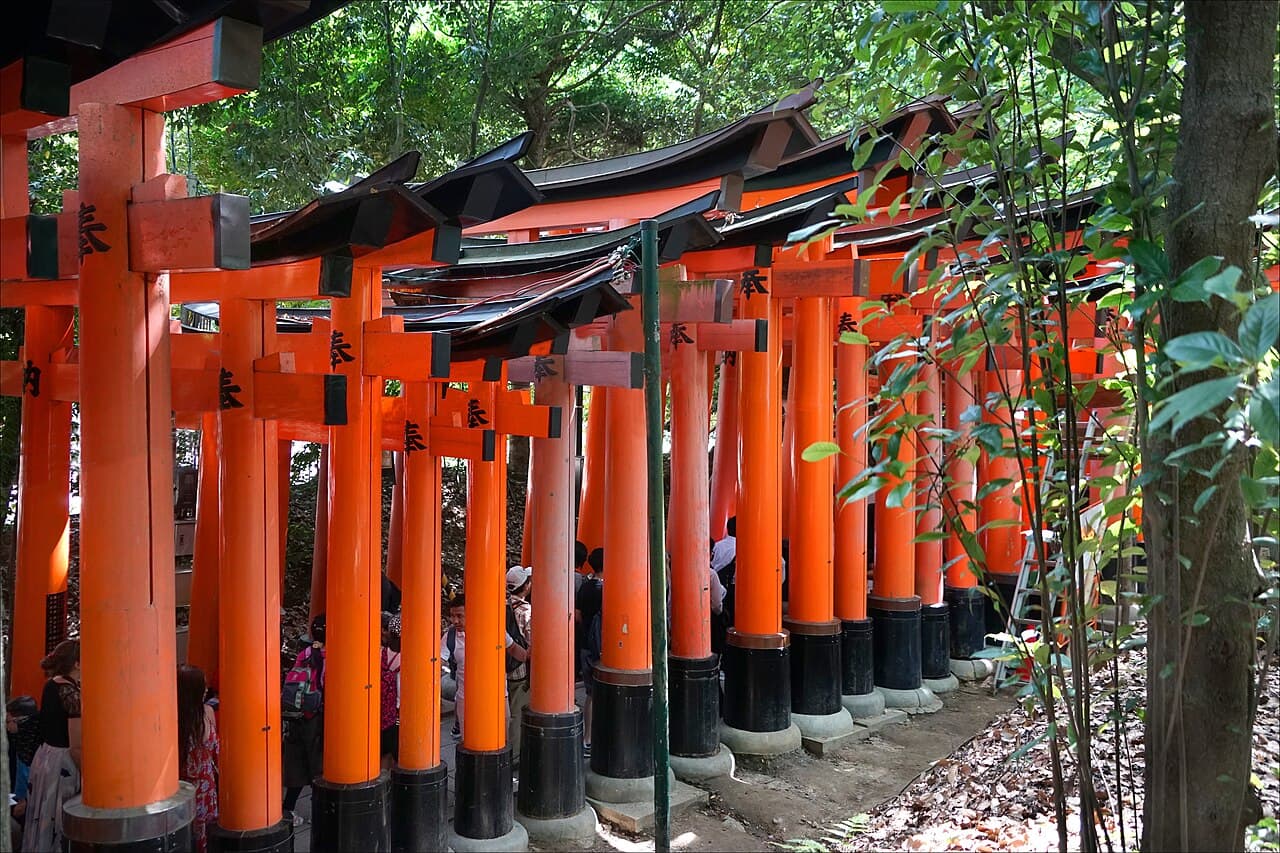
On New Year's Eve, Fushimi Inari fills for hatsumode under its endless red gates, while temples ring the joya-no-kane bells 108 times. It's atmospheric and free.
Any-day culture
No festival on? Kyoto still delivers: a tea ceremony, the lanes of Pontocho at dusk, and Toji Temple's Kobo-ichi market (the 21st of each month) for antiques and street food.
Planning tips
- Book lodging months ahead for Gion (July) and peak foliage (late Nov).
- Temples and gardens get crowded by mid-morning — go early or at dusk.
- Carry cash for markets and small shrines.
Below: a season-spanning set of real Kyoto events to anchor your trip.
All events
 OfficialPast event© Conveyor belt sushi · CC BY 2.0
Miyako Odori (Cherry Blossom Dances)
Gion's geiko and maiko perform the elegant Miyako Odori every April, a dazzling spring dance of kimono, music and seasonal scenes.
2026/04/01 12:30 KyotoTickets from around 4,000 yen; tea-ceremony seats cost more
 OfficialPast event© Corpse Reviver · CC BY 3.0
Gion Matsuri (Yamaboko Junko Float Procession)
Kyoto's grandest festival fills July with towering wooden floats, lantern-lit evening parties, and 1,100 years of tradition.
2026/07/17 09:00 KyotoFree
 OfficialPast event© ja:User:Kyoto-u · CC BY 2.5
Kyoto Gozan no Okuribi 2026
Giant kanji and shapes blaze on five mountains around Kyoto to send ancestral spirits home at the close of Obon.
2026/08/16 20:00 KyotoFree
 OfficialUpcoming© ja:User:Si-take. · CC BY-SA 3.0
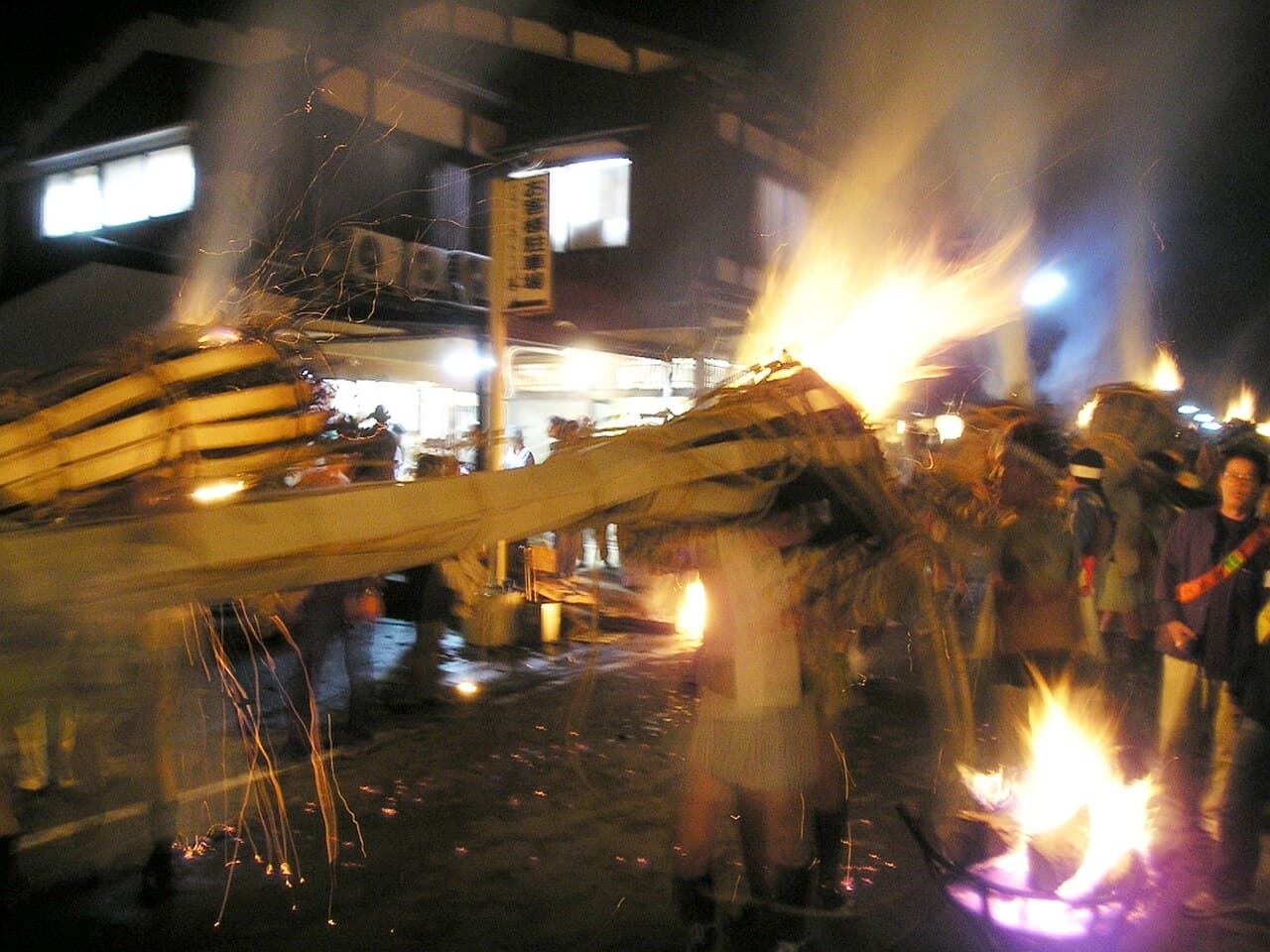
Kurama Fire Festival (Kurama no Hi Matsuri)
Men in loincloths haul flaming 80-kg torches through a mountain village after dark in one of Kyoto's wildest, most primal night festivals.
2026/10/22 18:00 KyotoFree
 OfficialUpcoming© Takeshi Kuboki · CC BY 2.0
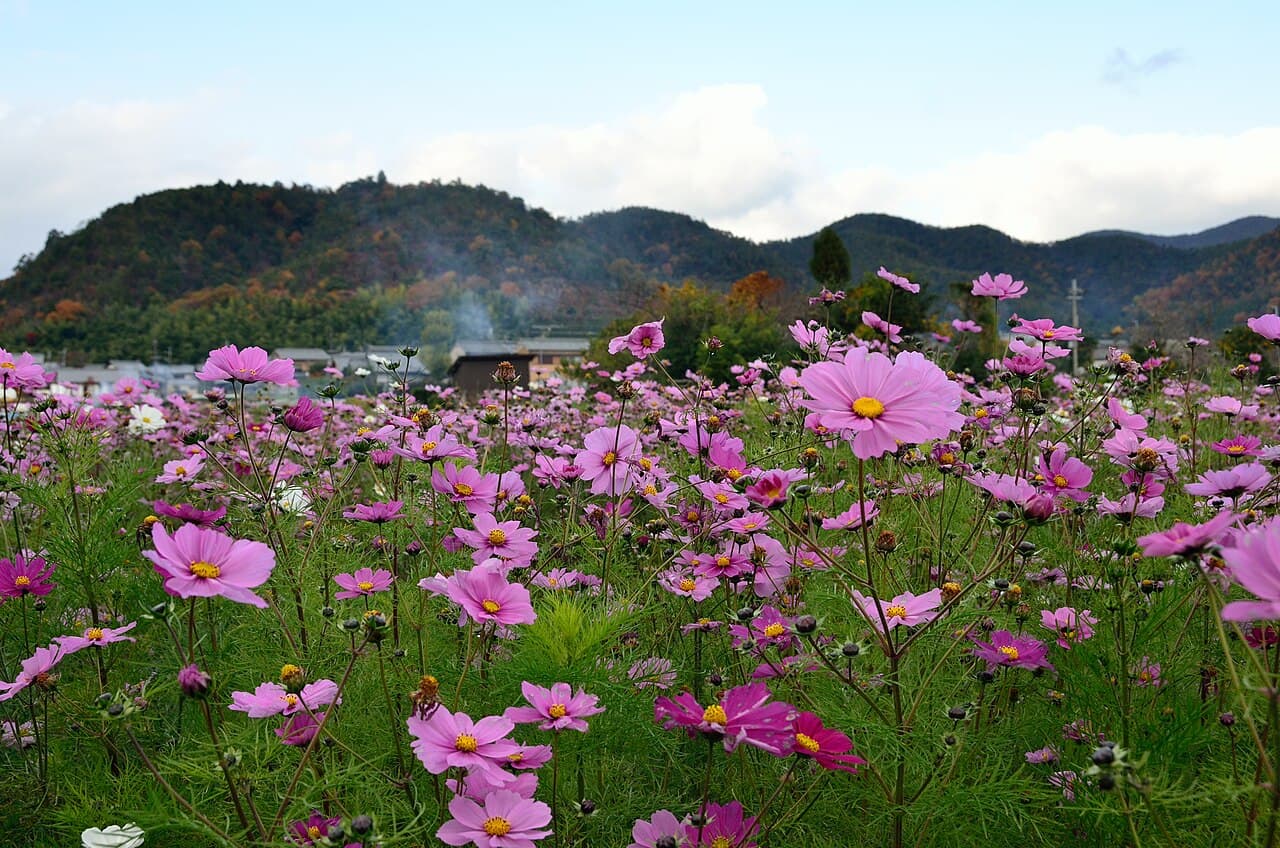
Arashiyama Autumn Leaves
Kyoto's Arashiyama bursts into crimson and gold each November, with mountain temples, a scenic train and bamboo groves.
2026/11/15 08:00 KyotoFree
 OfficialUpcoming© Hyppolyte de Saint-Rambert · CC BY-SA 4.0
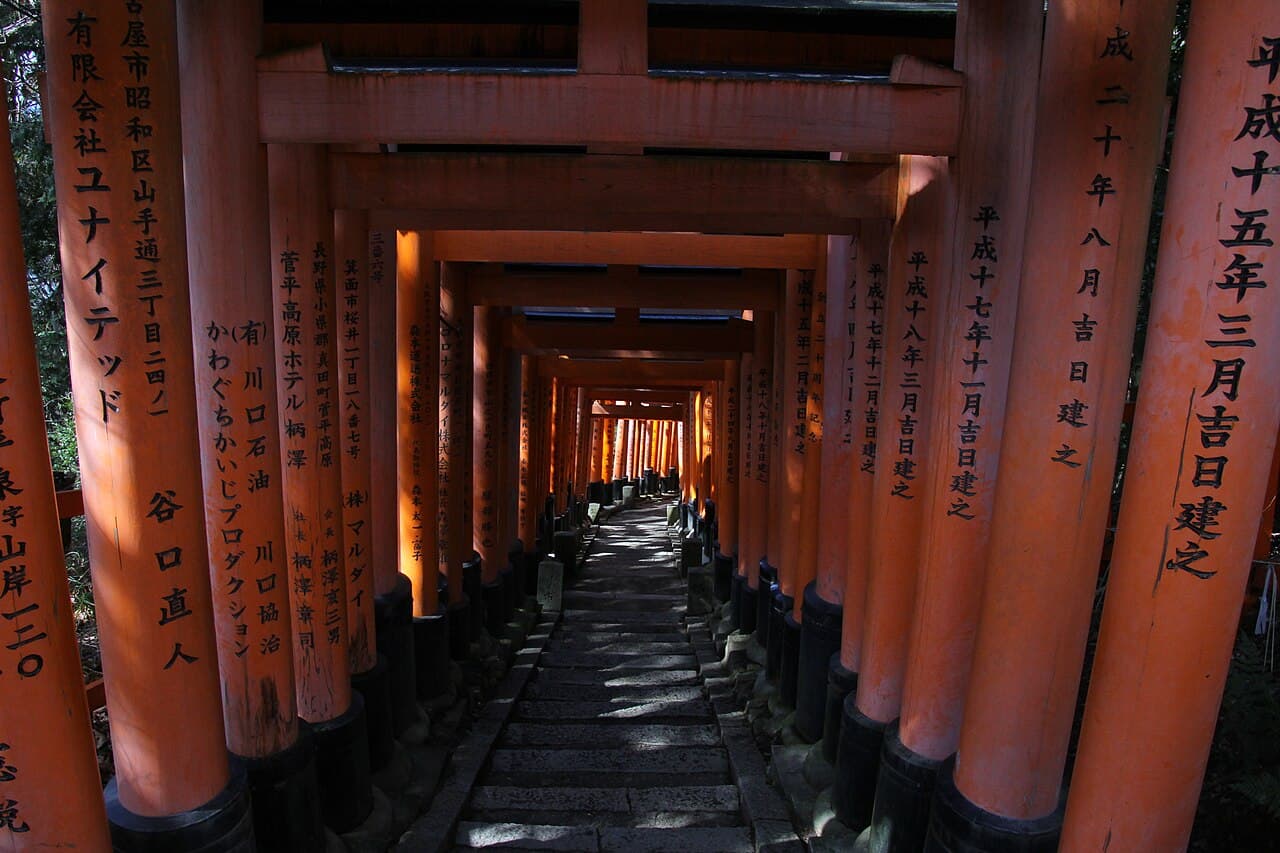
Fushimi Inari Taisha Hatsumode — Thousand Vermilion Torii
Kyoto's head Inari shrine welcomes some 2.5 million New Year worshippers who pray for prosperity beneath endless tunnels of vermilion torii.
2026/12/31 23:00 KyotoFree