Kyoto Culture Calendar: Festivals, Geisha Dances & Temples
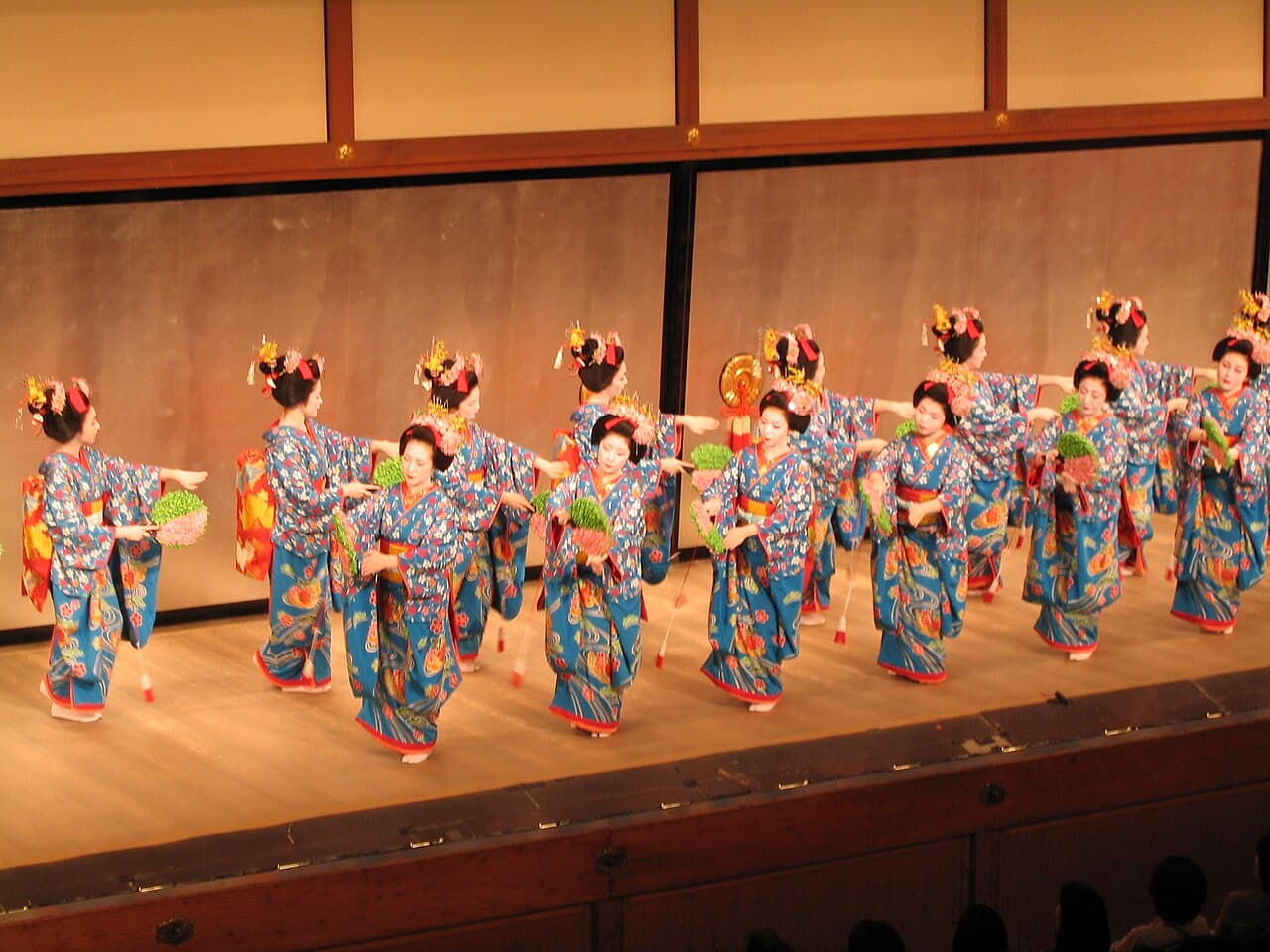
Spring: the geisha dances
Kyoto's cultural year opens beautifully. Each April, the geiko and maiko of Gion perform the Miyako Odori, an elegant spring dance of kimono, shamisen and seasonal scenes. Splurge on the tea-ceremony ticket and a maiko will serve you matcha before the curtain rises.
Summer: Gion Matsuri
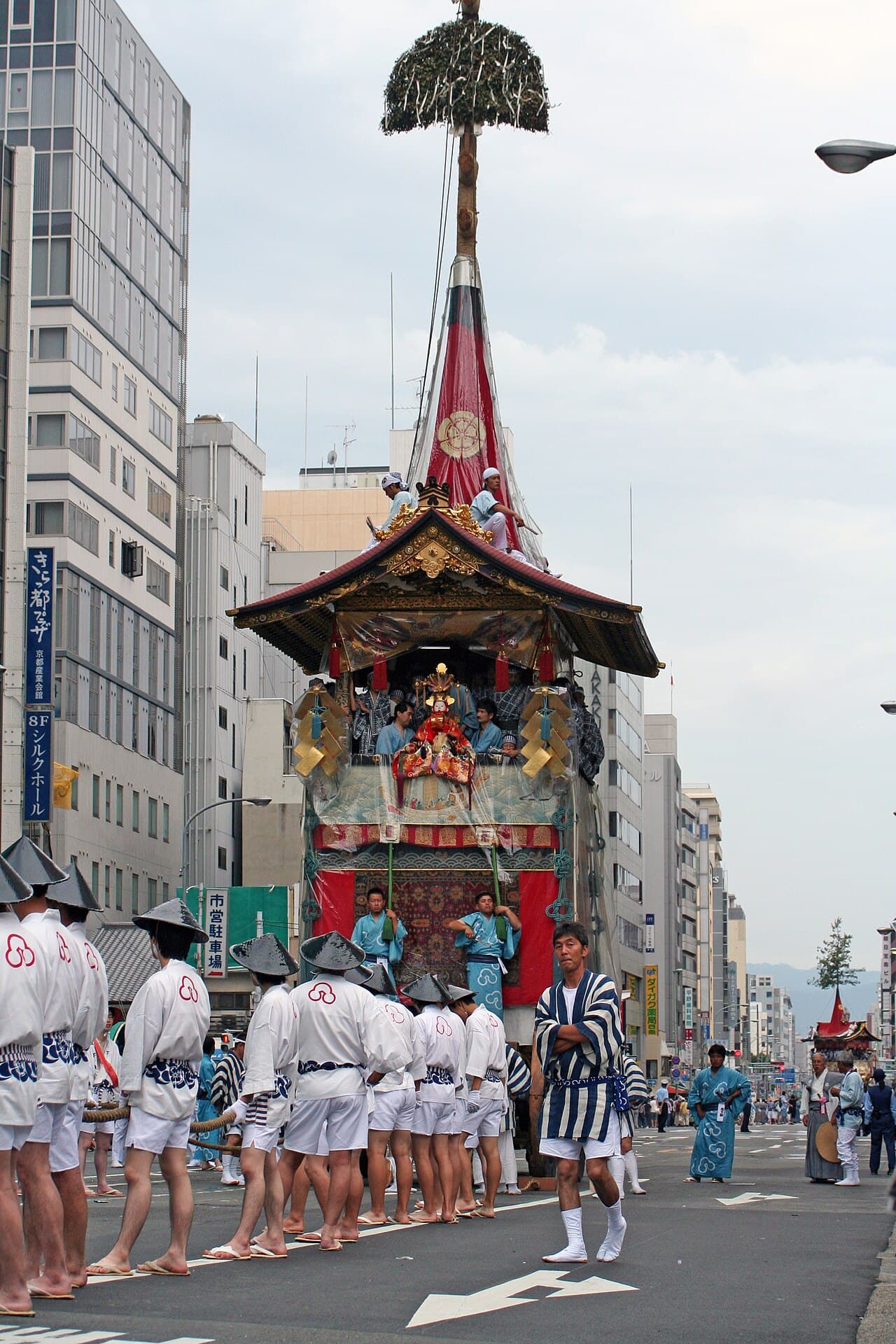
July belongs to the Gion Matsuri, Kyoto's grandest festival, when towering wooden floats parade through the city on the 17th and lantern-lit Yoiyama evenings turn the center into a street party. It's free to watch and over 1,100 years old.
Autumn: maples after dark
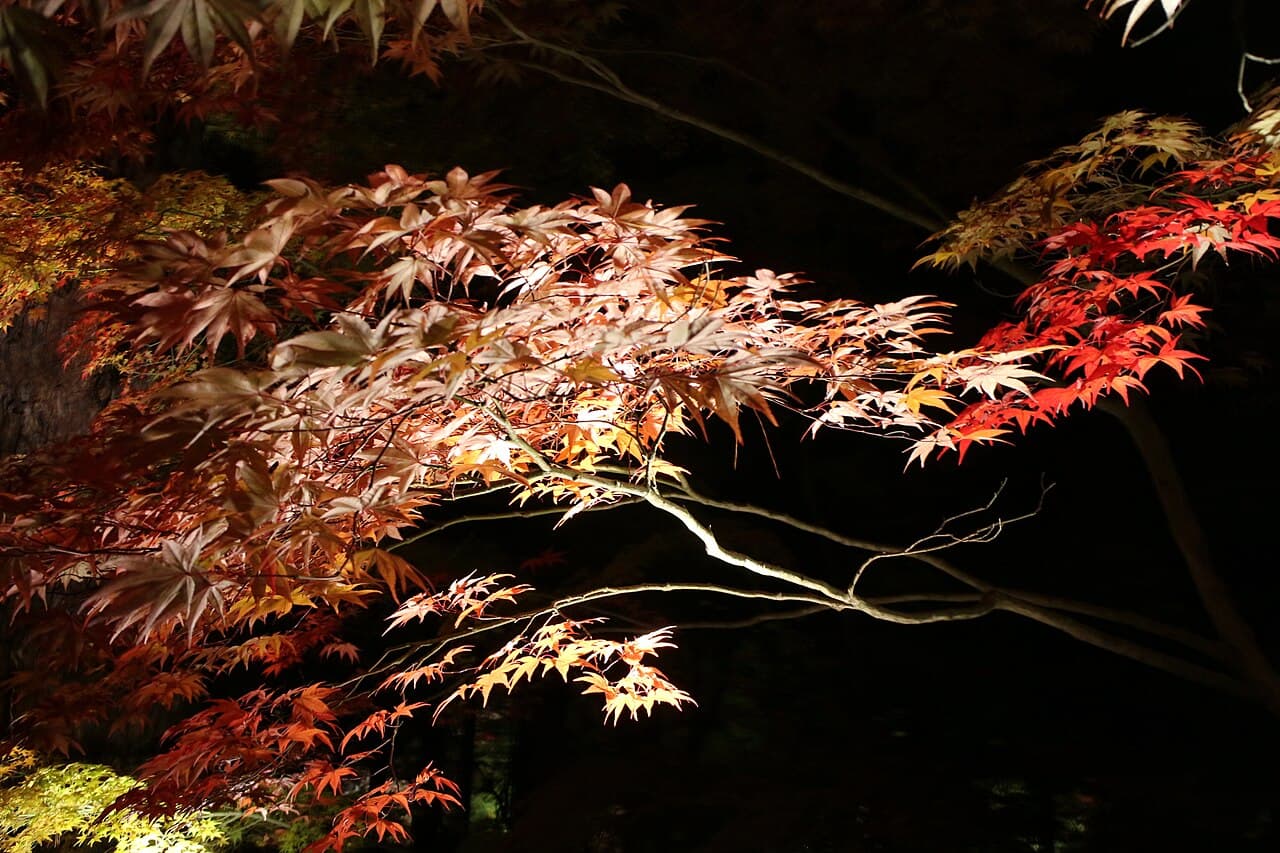
When the maples turn in November, Eikando Temple holds a spellbinding evening light-up, its red leaves mirrored in a still pond, while Arashiyama glows crimson around its temples and scenic railway.
Any season: timeless Kyoto
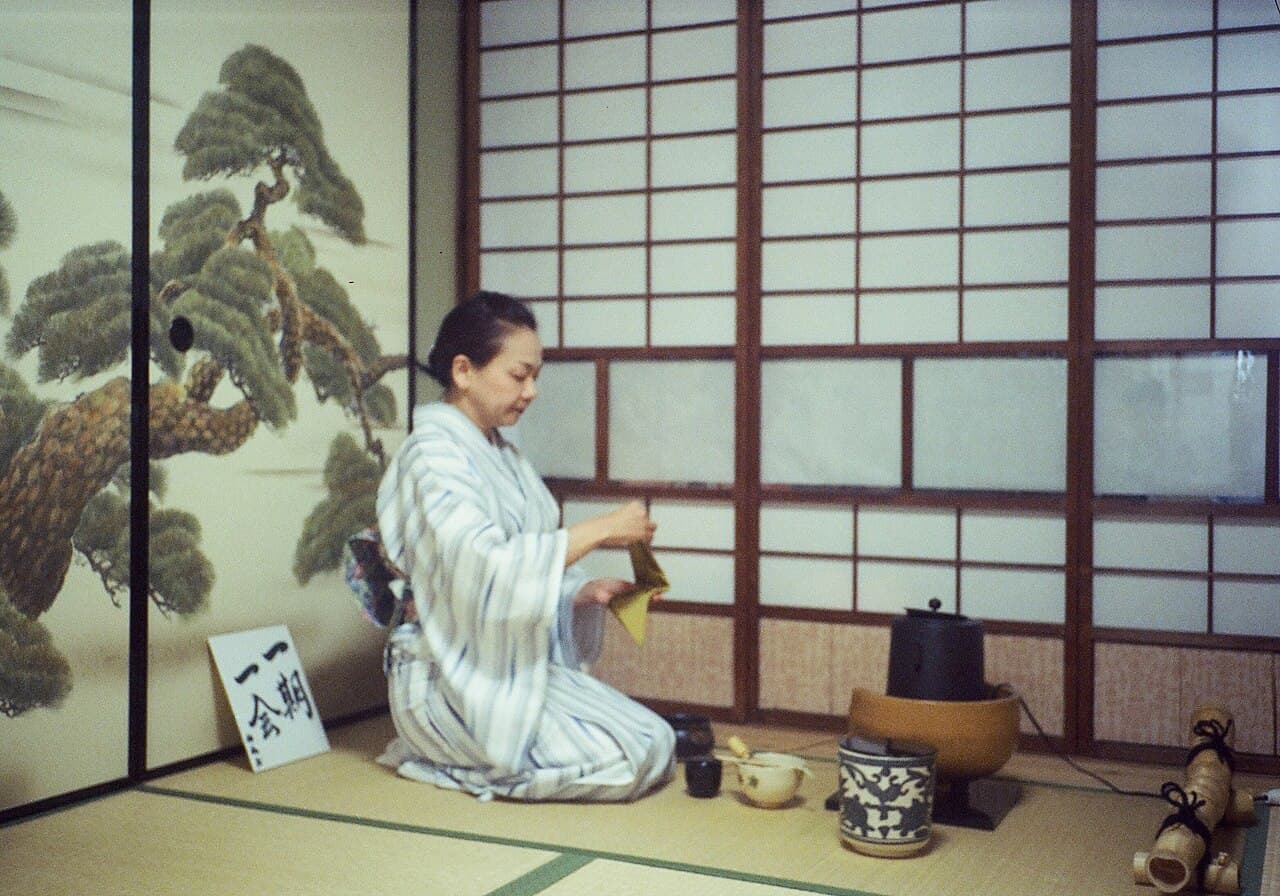
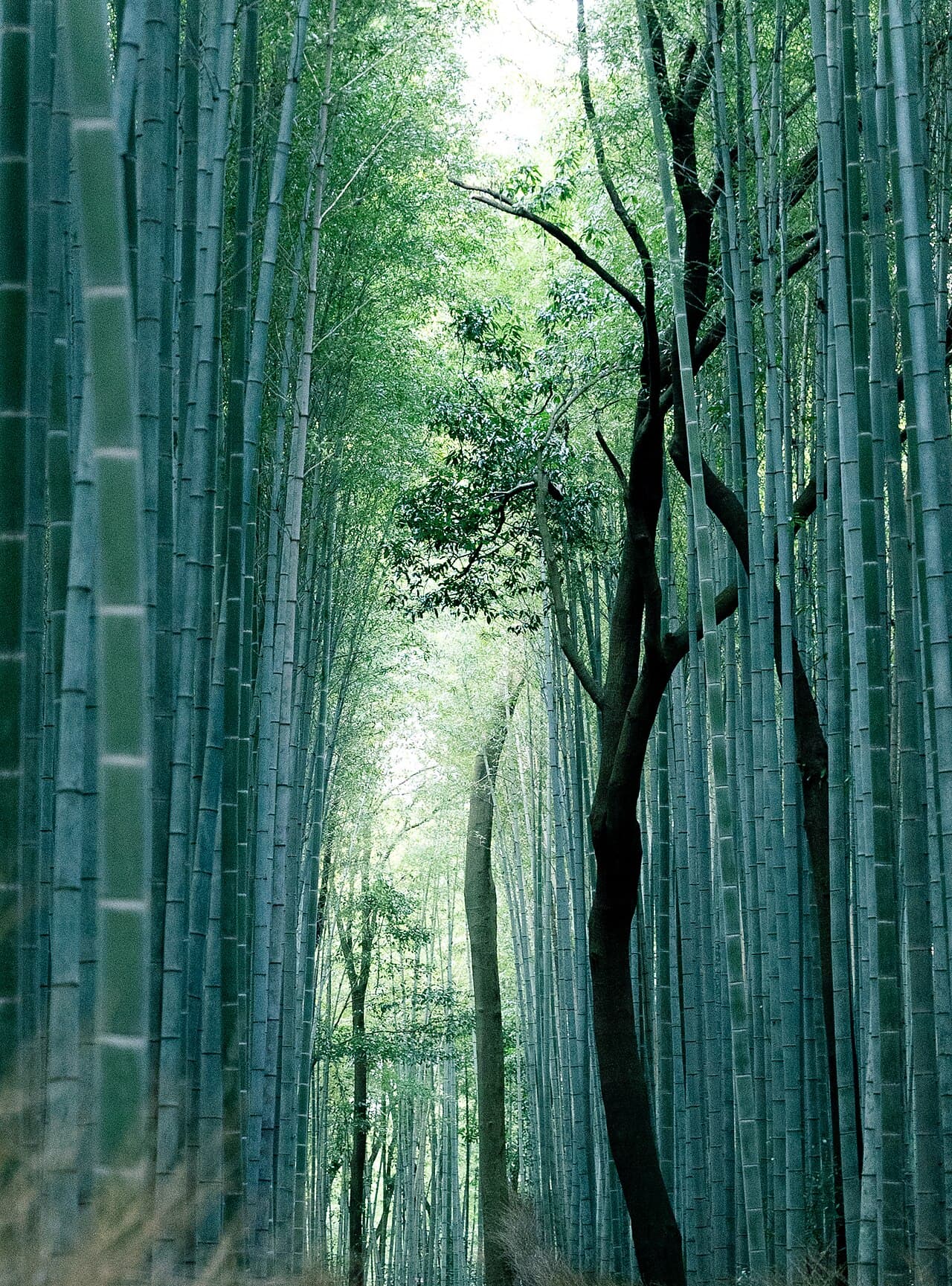
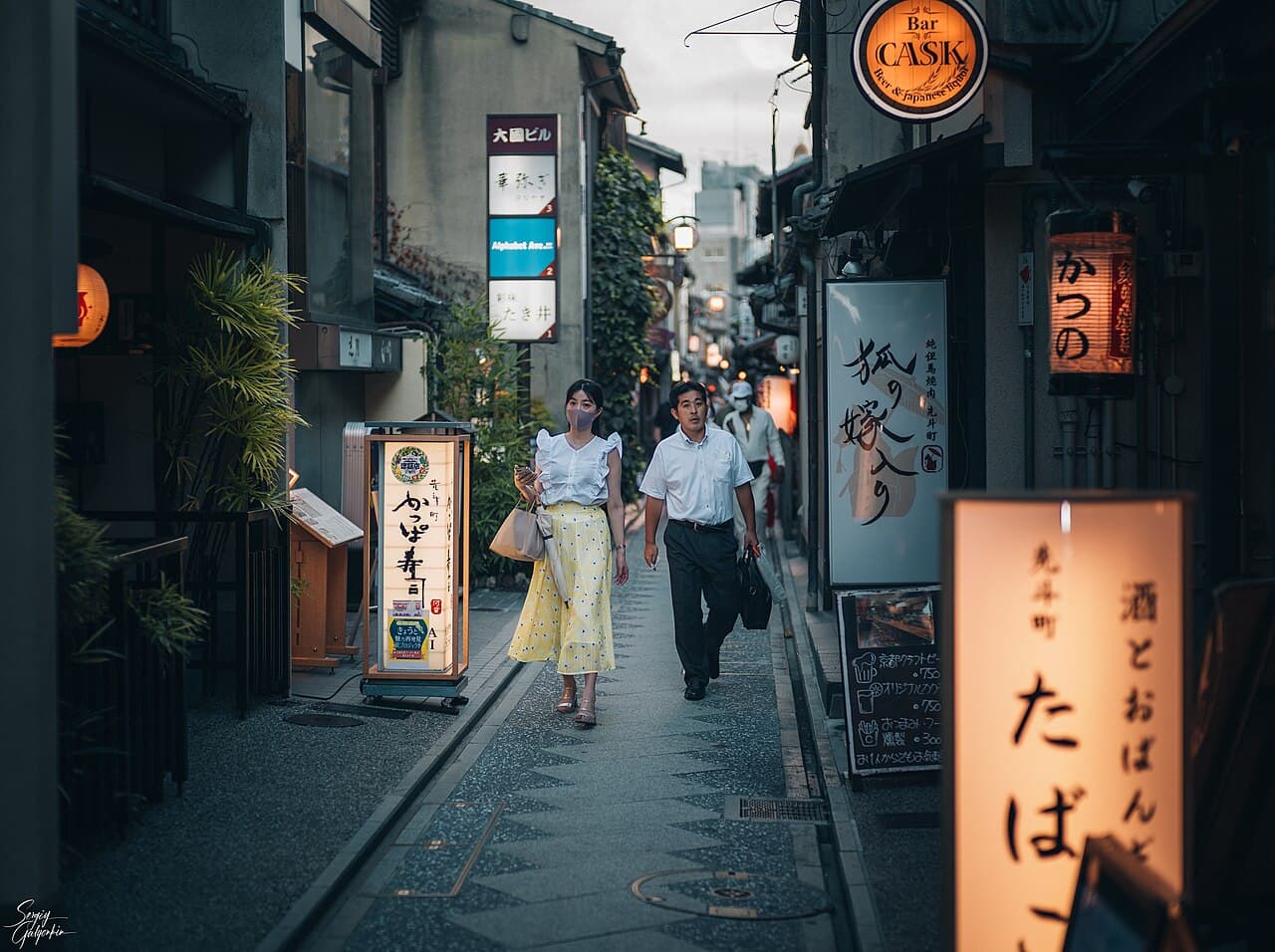
No festival in town? A traditional tea ceremony offers a calm window into Japanese aesthetics, and the Arashiyama Bamboo Grove is luminous if you arrive at dawn before the crowds. For an evening, the lantern-lit Pontocho alley serves dinner by the river. Kyoto's strength is that its culture isn't confined to a single date — temples, gardens and machiya townhouses are woven into daily life, so even an ordinary afternoon turns into something memorable.
A note on the geisha districts
Gion and Pontocho are working hanami (geisha) districts, not theme parks. If you're lucky enough to glimpse a maiko hurrying to an appointment, give her space and don't block her path for a photo — recent years have seen visitor restrictions on private alleys precisely because of crowding. Watching the Miyako Odori on stage is the respectful way to see this world up close.
Tips
- Book Miyako Odori and popular autumn light-ups in advance.
- Go at dawn for temples and bamboo to beat the crowds.
- Kyoto's buses get packed; a day pass or a bike helps.
Whatever the month, Kyoto rewards slow, seasonal travel.
All events
OfficialPast event© Conveyor belt sushi · CC BY 2.0Miyako Odori (Cherry Blossom Dances)
Gion's geiko and maiko perform the elegant Miyako Odori every April, a dazzling spring dance of kimono, music and seasonal scenes.
2026/04/01 12:30 KyotoTickets from around 4,000 yen; tea-ceremony seats cost more
 OfficialPast event© Corpse Reviver · CC BY 3.0
Gion Matsuri (Yamaboko Junko Float Procession)
Kyoto's grandest festival fills July with towering wooden floats, lantern-lit evening parties, and 1,100 years of tradition.
2026/07/17 09:00 KyotoFree
 OfficialUpcoming© Suicasmo · CC BY-SA 4.0
Eikando Temple Autumn Light-Up
Kyoto's most celebrated maple temple glows after dark in autumn, its crimson leaves mirrored in a tranquil pond.
2026/11/14 17:30 KyotoEvening light-up admission around 600-700 yen
 OfficialPast event© Atticus nguyen · CC BY-SA 4.0
Kyoto Tea Ceremony Experience
Learn the graceful art of the Japanese tea ceremony in a traditional Kyoto machiya, hosted in English for visitors.
2026/06/26 11:00 KyotoSessions typically 2,500-6,000 yen; reservations required
 OfficialPast event© Mitchwandrew · CC BY 4.0
Arashiyama Bamboo Grove
Walk a luminous path through towering bamboo in Kyoto's Arashiyama, where filtered light and rustling stalks feel otherworldly.
2026/06/26 07:00 KyotoFree
 OfficialPast event© Sergiy Galyonkin · CC BY-SA 2.0
Pontocho Evening Stroll & Dining
Kyoto's most atmospheric nightlife lane — a narrow lantern-lit alley of riverside restaurants, sake bars and traditional teahouses.
2026/07/01 18:00 KyotoFree