Inbound Guide: How to Attend a Japanese Event (Tickets, Access, Cash & Etiquette)
Tickets: free festivals vs. ticketed events
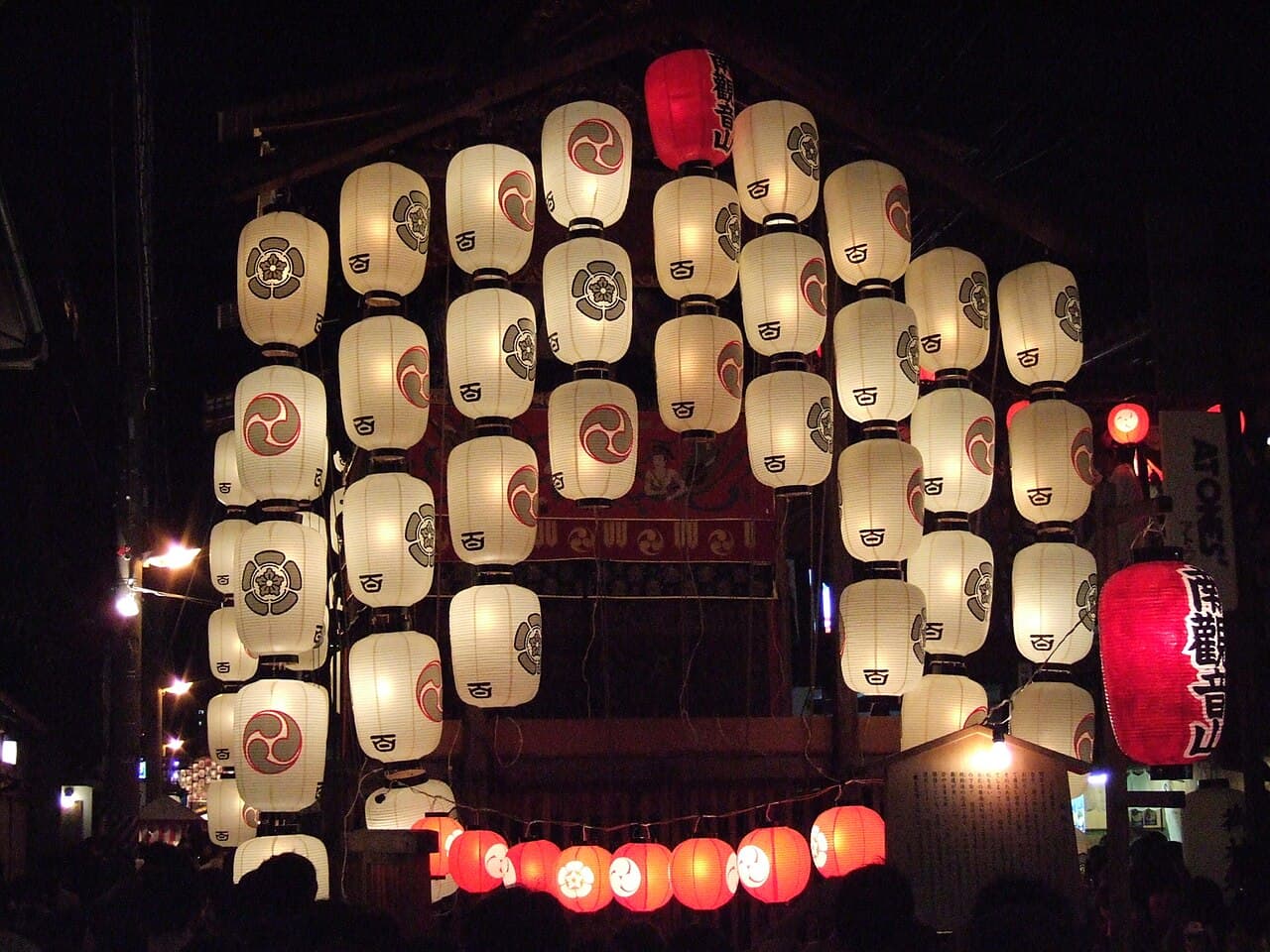
Big outdoor festivals and fireworks are usually free to attend (paid grandstand seats are optional). Ticketed events — sumo, concerts, conventions — sell through Japanese platforms (Ticket Pia, e+/eplus, Lawson Ticket) that can be fiddly in English. Where possible, buy via the official English site or an international reseller, and book popular things (sumo, Comiket-scale events, top fireworks seats) well in advance. For meetups, you simply RSVP on Luma / connpass / Meetup.
Getting there
Japan runs on rail. Use Google Maps or a transit app for exact platforms and the last train (typically around midnight). Get a Suica/PASMO IC card (or its mobile version) — tap through gates everywhere. For festival days, expect station crowd control and one-way pedestrian flows near venues; allow extra time and follow staff.
Cash vs. card
Cards and IC pay are now widely accepted — *but festival food stalls (yatai), small shrines, and rural events are frequently cash-only. Carry ¥5,000–¥10,000 in cash* for any festival day. Convenience-store ATMs (7-Eleven, Lawson) take foreign cards.
Etiquette that actually matters
- Queue and follow the flow — don't push against one-way crowds.
- Carry your trash out; public bins are rare.
- Ask before photographing people, performers' close-ups, or shop interiors; stay behind barriers at fast events.
- For shrine/temple events, a quiet, respectful manner is expected — these are living religious sites.
- Bars and clubs strictly check 20+ ID — bring your passport.
How much English to expect
Major venues, big festivals and international meetups have English signage and some English-speaking staff. Smaller community events, neighbourhood matsuri and rural festivals often don't — a translation app and a few polite Japanese phrases (sumimasen, arigatou) go a long way and are warmly received.
Your day-of checklist
Cash, IC card, passport, a small trash bag, a portable battery, and water in summer. Below: a spread of inbound-friendly events to practise on.
All events
 OfficialUpcoming© Creazilla · CC0
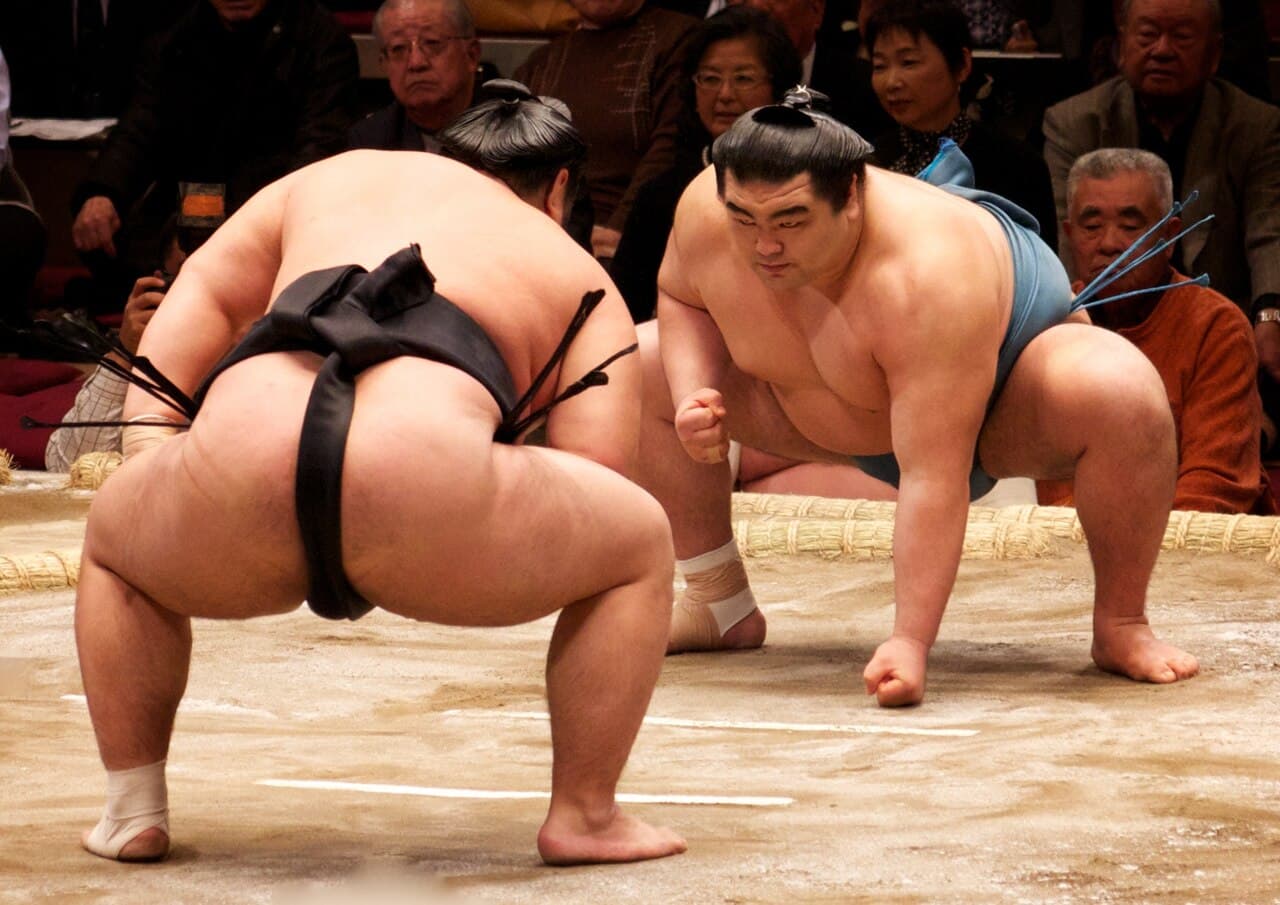
Grand Sumo Hatsu Basho 2027 (Tokyo) | Dates, Venue & Tickets
**The Grand Sumo Hatsu Basho 2027 runs January 10–24, 2027 at Ryogoku Kokugikan, Tokyo** — the New Year tournament that opens the sumo calendar. It runs 15 straight days (Sun→Sun); **tickets are required** (buy via the official English site). Arrive by ~14:00–15:00 for the top-division bouts, which always finish by ~18:00.
2027/01/10 08:00 TokyoTickets required (no free entry). Prices vary by day and seat tier; 2027 prices are released with the tournament — confirm on sumo.or.jp. As a rough guide (approximate 2026 prices, as of July 2026): ringside tamari-seki ~¥20,000/person; masu-seki tatami boxes ~¥9,000–15,000/person by tier and day; Western chair seats from ~¥3,500 (tier C, weekday) up to ~¥11,000+ (SS). On-sale is typically 5–8 weeks before — check the official site for the exact 2027 date.
 OfficialUpcoming© davidgsteadman · Public domain
Grand Sumo Tournament — Kyushu Basho (Fukuoka)
The year's final grand sumo tournament fills Fukuoka Kokusai Center for 15 days of ring-entering ceremonies, salt-throwing and thunderous bouts of giants.
2026/11/08 08:30 FukuokaFrom ~¥3,800 (arena seats) to box seats
 PeatixPast event© Volfgang · CC BY-SA 3.0
Tokyo English Stand-up Comedy Nights
Laugh the night away at regular English-language stand-up comedy shows hosted by Tokyo's international comedy scene.
2026/06/30 20:00 TokyoTickets typically 1,500-3,000 yen; some open-mic nights free
 OfficialPast event© 桜庭シェリー · CC BY-SA 3.0
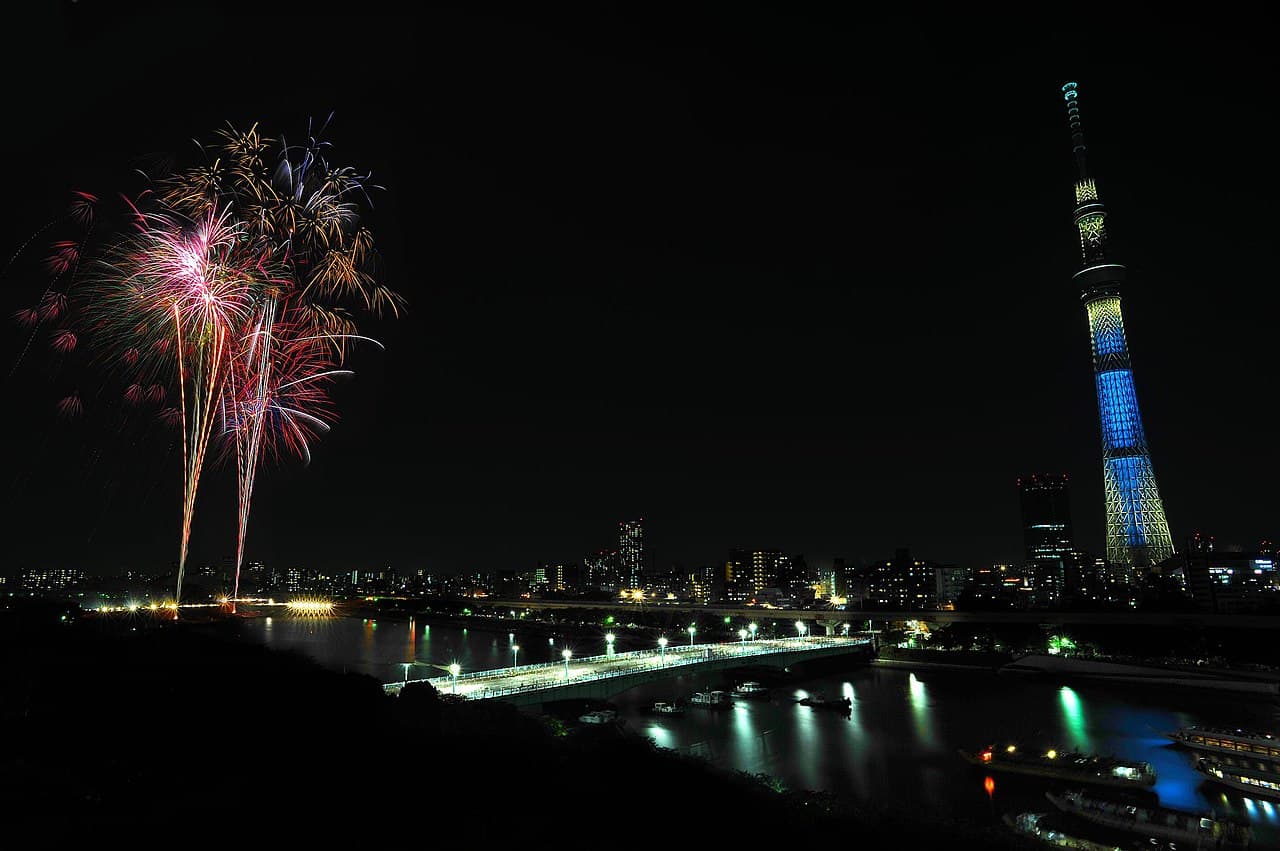
Sumida River Fireworks Festival 2026
Tokyo's most storied summer fireworks show launches 20,000 shells over the Sumida River with Tokyo Skytree glowing behind.
2026/07/25 19:00 TokyoFree
 OfficialPast event© Syced · CC0
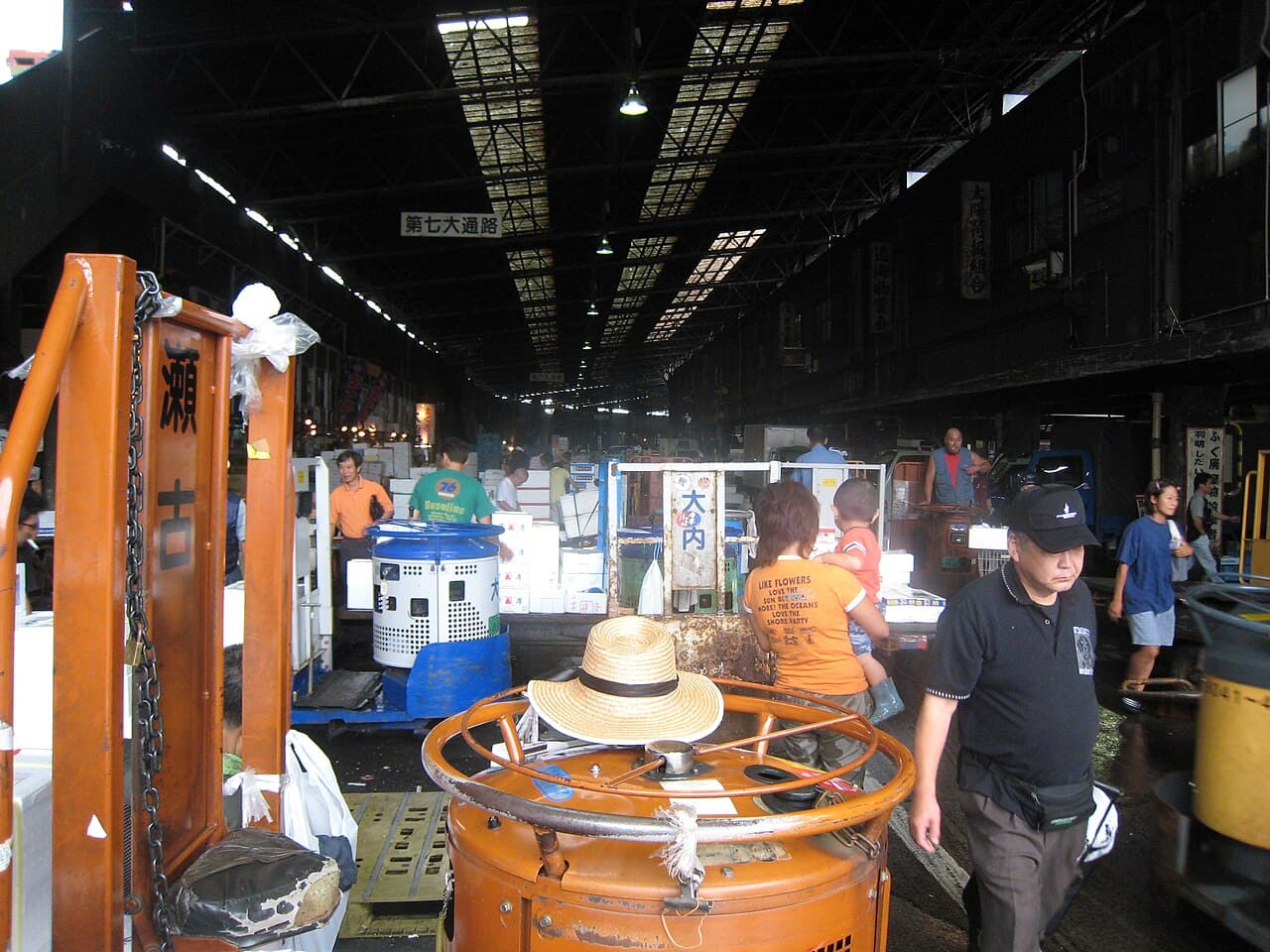
Tsukiji Outer Market & Toyosu Food Walk
Tokyo's food paradise: graze on fresh sushi, tamagoyaki and seafood at the historic Tsukiji Outer Market.
2026/06/25 08:00 TokyoFree
 OfficialUpcoming© Nightcrafter · CC BY-SA 4.0
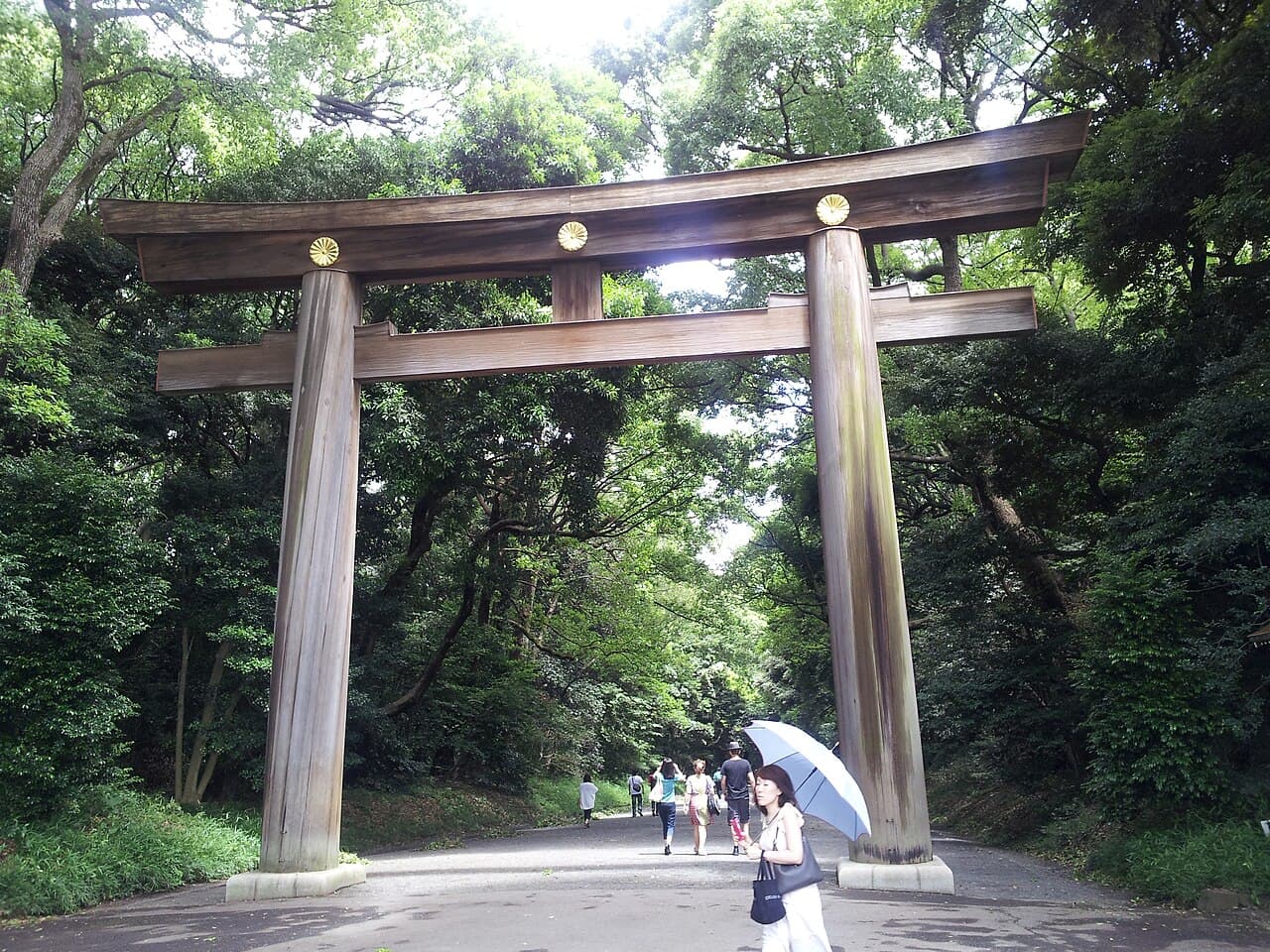
Meiji Jingu Hatsumode — Japan's Most-Visited New Year Shrine
Roughly three million people stream through the towering torii to pray at Tokyo's grandest shrine in the first three days of the year.
2026/12/31 23:00 TokyoFree