Marimo Festival 2026
For three days every October 8-10, Ainu elders at Lake Akan hold sacred kamuinomi prayers, a torchlit lakeside parade, and a ceremonial send-off of the marimo algae balls into the water - a tradition dating to 1950 that protects the lake's famous round colonies, a Japanese Special Natural Monument since 1952.
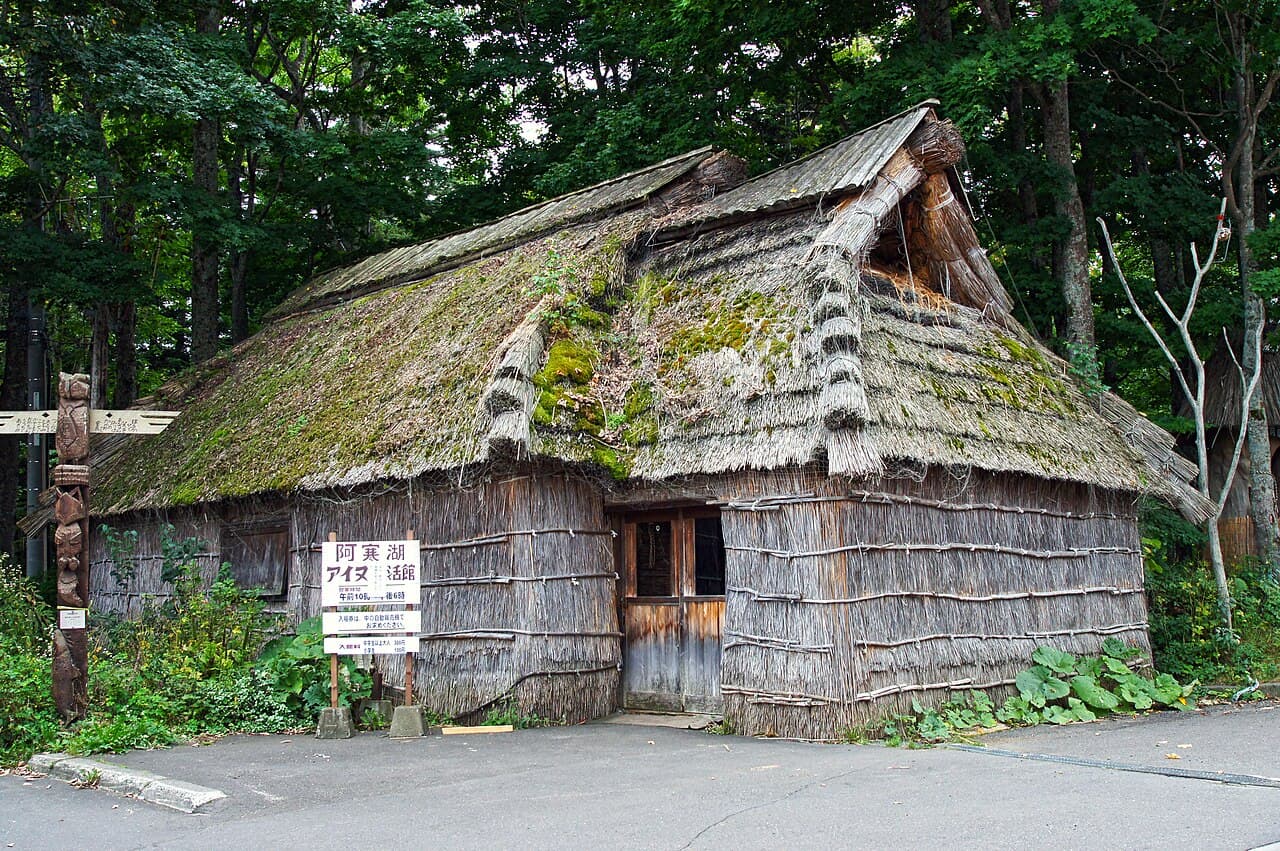
Quand · Où
- Quand
- 2026/10/08 10:00 – 2026/10/10
- Où
- Akanko Ainu Kotan and the Lake Akan lakeside park (Kohan-Enchi), Kushiro(4-7-84 Akancho Akankoonsen, Kushiro, Hokkaido 085-0467)
- Ville
- Partout au Japon
- Y aller
- Lake Akan has no train station; the nearest hub is JR Kushiro Station (reached via the Super Ozora limited express from Sapporo, about 4 hours), from which Akan Bus's 'Akan Line' runs to the Akanko Onsen bus centre in roughly 2 hours. From Kushiro Airport, a direct airport bus takes about 60 minutes; Memanbetsu Airport, somewhat further, is another common gateway. The Ainu Kotan and lakeside park venues are within a short walk of each other in Akanko Onsen town.
- Prix
- Gratuit
- Organisateur
- Akan Tourism Association Community Development Organization & Lake Akan Marimo Conservation Society (阿寒観光協会まちづくり推進機構・阿寒湖のマリモ保護会)
Bon à savoir avant d’y aller
- Y aller
- Lake Akan has no train station; the nearest hub is JR Kushiro Station (reached via the Super Ozora limited express from Sapporo, about 4 hours), from which Akan Bus's 'Akan Line' runs to the Akanko Onsen bus centre in roughly 2 hours. From Kushiro Airport, a direct airport bus takes about 60 minutes; Memanbetsu Airport, somewhat further, is another common gateway. The Ainu Kotan and lakeside park venues are within a short walk of each other in Akanko Onsen town. Ouvrir l’itinéraire dans Google Maps ↗
- Réservation & entrée
- Gratuit : détails sur la page officielle (bouton ci-dessus).
- Langue
- Principalement en japonais : une appli de traduction sur le téléphone aide.
- Idéal pour
- amateurs de culture
À ne pas manquer
- On the final morning, Ainu elders perform the kamuinomi prayer at the Ainu Kotan before carrying the marimo in procession down to the lakeside park for the marimo-okuri - a ceremonial return of the algae balls to Lake Akan by dugout canoe
- On the second night, a torchlit parade (taimatsu gyoshin) winds from the lakeside park to the Ainu Kotan, followed by a marimo-mukae welcoming rite and a competition of traditional Ainu dances at the Ainu Theatre
- Marimo form dense, free-floating spheres of the alga Aegagropila linnaei; Lake Akan's colonies were designated a national Natural Monument in 1921 and upgraded to Special Natural Monument status in 1952, and the festival has protected them every year since 1950
Origine & histoire
The Marimo Festival began in 1950 after wartime and postwar over-collection had pushed Lake Akan's marimo colonies to the brink, combining Ainu ceremony with a conservation message. Marimo - dense, free-floating spheres formed by the alga Aegagropila linnaei - grow to their famously large, round form at Lake Akan through a combination of wave action and light; the lake's marimo habitat was designated a national Natural Monument in 1921 and the marimo itself was elevated to Special Natural Monument status in 1952.
Bon à savoir
Dress warmly - Hokkaido evenings in October are cold, especially for the lakeside torch parade. The final morning's kamuinomi and marimo-okuri are the most moving parts of the festival and free to observe, so plan to stay through day three rather than just catching the opening evening.