Fujisaki Hachimangu Boshita Matsuri 2026
Kumamoto's biggest autumn festival runs Sept 20-21, 2026: about 60 decorated parade horses and a twice-daily armored procession fill the streets, free to watch.
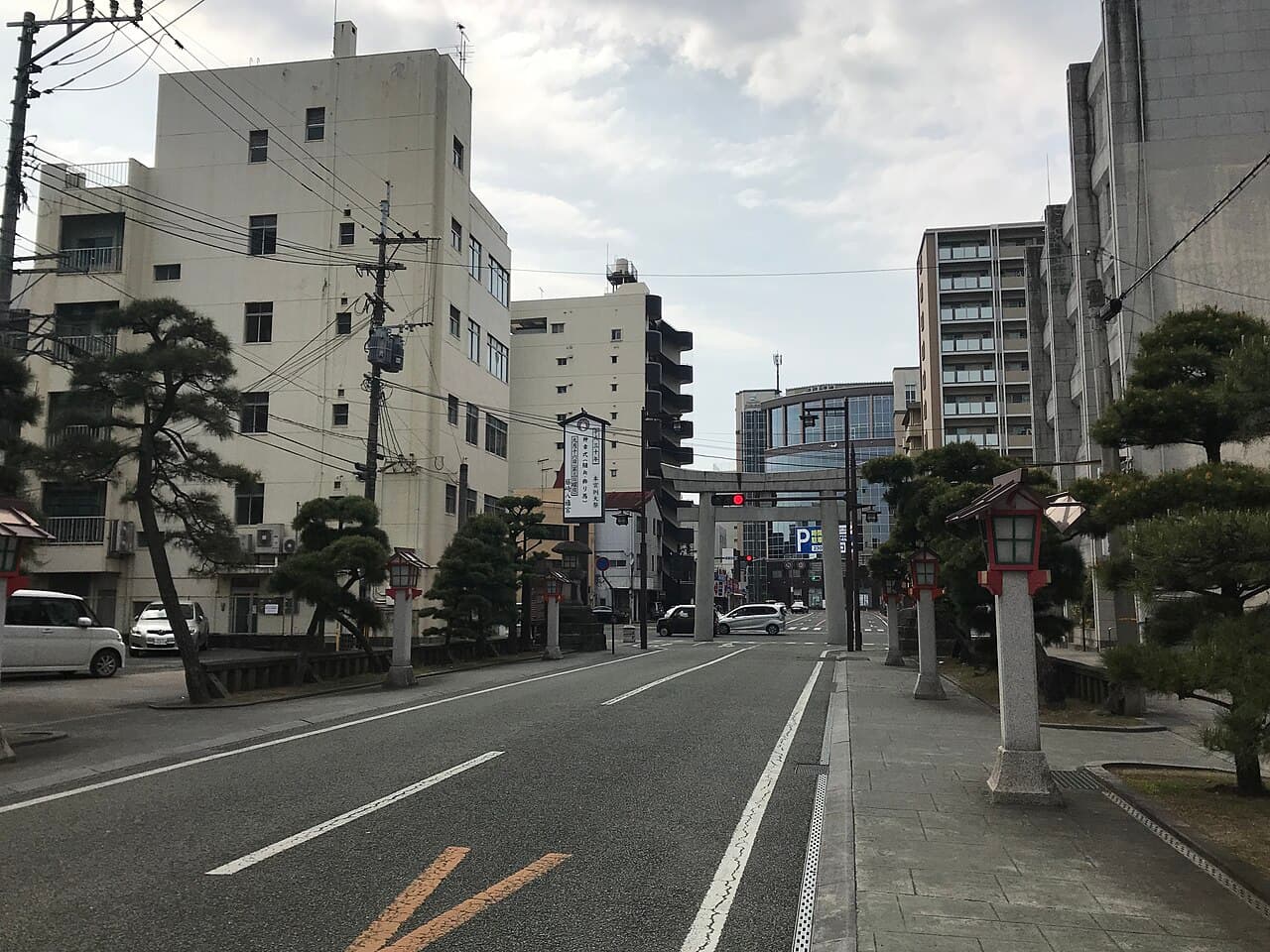
Cuándo · Dónde
- Cuándo
- 2026/09/20 06:00 – 2026/09/21
- Dónde
- Fujisaki Hachimangu Shrine(3-1 Igawabuchi-machi, Chuo-ku, Kumamoto City, Kumamoto 860-0841)
- Ciudad
- Por todo Japón
- Cómo llegar
- Kumamoto City Tram from Kumamoto Station to the Suidocho stop (about 15 min), then a 15-minute walk; or a bus from Kumamoto Station to Kumamoto Sakuramachi Bus Terminal (10 min), transfer toward Kogai to the Fujisaki Shrine-mae stop (15 min), then a 5-minute walk.
- Precio
- Gratis
- Organizador
- Fujisaki Hachimangu Shrine (藤崎八旛宮)
Bueno saber antes de ir
- Cómo llegar
- Kumamoto City Tram from Kumamoto Station to the Suidocho stop (about 15 min), then a 15-minute walk; or a bus from Kumamoto Station to Kumamoto Sakuramachi Bus Terminal (10 min), transfer toward Kogai to the Fujisaki Shrine-mae stop (15 min), then a 5-minute walk. Abrir ruta en Google Maps ↗
- Reserva y entrada
- Entrada gratuita: más detalles en la página oficial (botón de arriba).
- Idioma
- Principalmente en japonés: una app de traducción en el móvil ayuda.
- Ideal para
- amantes de la cultura, familias, grupos de amigos
Destacados
- The festival's finale, 'Umaoi' -- about 60 elaborately decorated parade horses (kazariuma) and roughly 11,000+ participants from 59+ neighborhood groups, led through the streets to cries of 'Dokai, dokai!'
- A twice-daily 'Zuihei Gyoretsu' armored procession (morning from about 6:00, evening from about 14:00) carrying four mikoshi and around 100 spear-bearing attendants in traditional dress
- A 400-year-old lion dance from the Shinmachi district accompanies the procession
Origen e historia
Fujisaki Hachimangu traces its founding to 935 as a branch shrine of Kyoto's Iwashimizu Hachimangu. The autumn grand festival grew out of the Buddhist-Shinto 'hojo-e' rite of releasing captive animals, with its horse-and-warrior procession echoing a centuries-old military-thanksgiving tradition. (The festival's colloquial nickname has one popular but disputed folk explanation tied to a 16th-century military campaign; the shrine itself moved away from that chant around 1990, and the procession's official calls today are 'Dokai, dokai.')
Bueno saber
Keep a safe distance during the horse parade -- decorated horses can startle in the crowds, and organizers have restricted some participants after past incidents; flash photography near the horses is discouraged. The Sunday, Sept 20 procession draws the biggest crowds, so arrive early for a clear view near the shrine or along the parade route.